
- $9.95 flat shipping
- Fitment check
- Ask ReV
 1 of 3
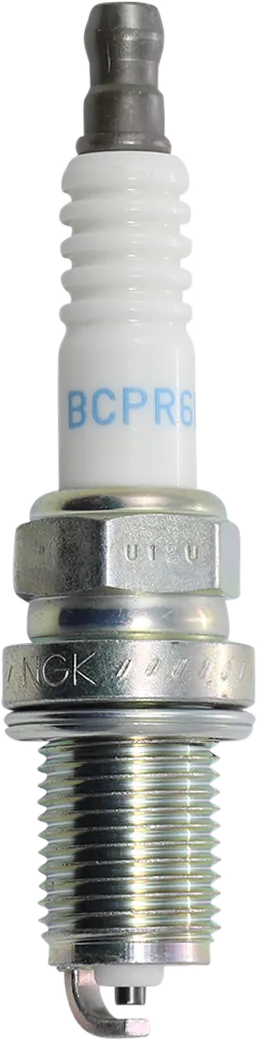
Spark Plug BCPR6ES
Item # 2103-0511 · MFR # 2330 · UPC 087295123300
Nickel (standard) · Heat range 6 · 19 mm reach · 16 mm hex · Resistor
Free members earn $0.05, Gold $0.24, Elite $0.47 in CBC credit. Membership
In stock — ready to ship
Fits 274+ models, including:
Or check your bike
Plug · BCPR6ES (112)
How many plugs?
Check how many your engine takes: one per cylinder on most bikes (2 for twins, 4 for inline-fours). Twin-spark heads take two per cylinder.
Ships for $9.95 flat · lower 48
Shipping & returns
- One flat rate per order, no matter how many items are in it.
- Easy returns / exchanges, no restocking fee on riding gear. Returns need an RMA from your order page.
- Shipping policy · Returns & exchanges
Questions about fit or sizing? Ask ReV
The NGK Spark Plug in this Standard style has a nickel alloy tip, a standard center electrode, a standard ground electrode and a resistor design. A copper core carries heat out of the electrode, and the ceramic insulator is pure alumina silicate.
Corrugated ribs prevent flashover, triple seals prevent leakage and the trivalent shell plating resists corrosion and seizing. Thread reach, heat range, gap and hex size change across the family, and it includes plugs for models from makers such as Honda and Suzuki.
- Trivalent metal plating provides superior anti-corrosion and anti-seizing properties
- Corrugated ribs prevent flashover
- Pure alumina silicate ceramic insulator, provides superior strength and better heat transfer
- Copper core aids in heat removal
- Triple seals prevent leakage
| NGK plug code | BCPR6ES |
|---|---|
| Heat range (brand scale) | 6 |
| Electrode material | Nickel Alloy |
| Resistor | Resistor |
| Thread reach | 19 mm |
| Hex size | 16 mm |
| Spark gap | 0.035" |
| Spark gap (mm) | 0.9 mm |
| Center Electrode Type | Standard |
| Center Electrode Projection | Projected |
| Ground Electrode Shape | Standard |
| Ground Electrode Configuration | Single |
| Terminal Configuration | Solid Terminal |
| Electrical Resistance | 5k Ohms |
| Weight | 0.05 lb |
| Manufacturer part # | 2330 |
| UPC | 087295123300 |
Installing spark plugs
- Work on a cold engine. Blow debris out of the plug well before removing the old plug.
- Check the gap with a wire gauge against your service manual; adjust gently on the ground electrode only.
- Start the new plug by hand for a few turns so it can't cross-thread.
- Tighten to the torque in your manual (or the angle printed on the box).
- Refit the plug cap until it clicks, and route the wire as it was.
- Replace plugs as a set, one per cylinder.
Similar spark plugs
All spark plugs → Denso
U-Groove Spark Plug
Nickel (standard)
$3.75 – $5.65In stock
14 plugs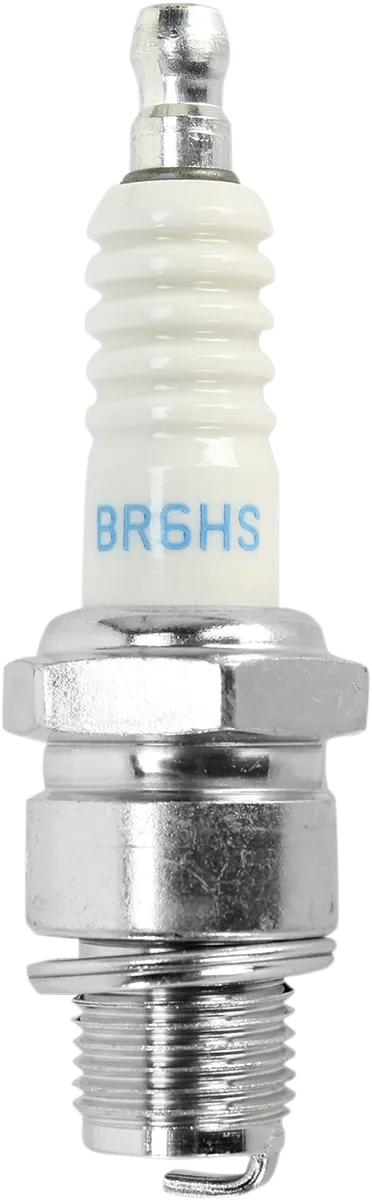 NGK
Standard Spark Plug
$4.60 – $33.20In stock
183 plugs NGK
Iridium IX Spark Plug
Iridium
$14.20 – $25.49In stock
58 plugs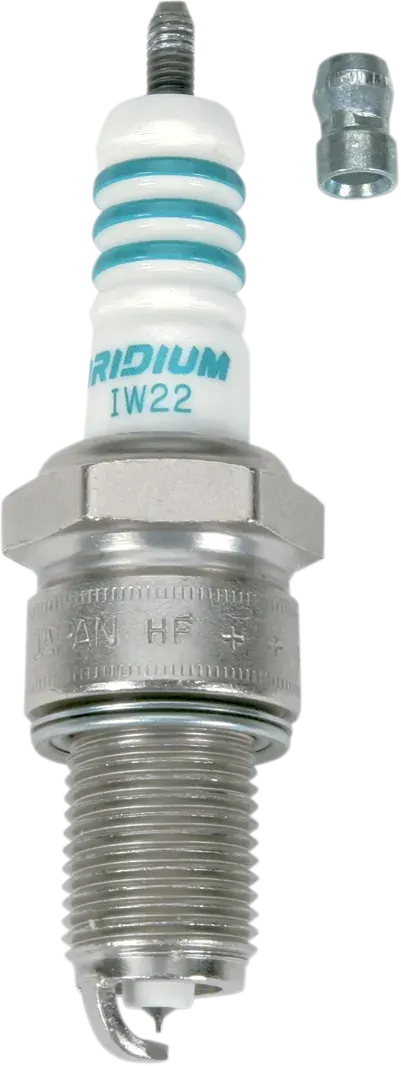 Denso
Iridium Spark Plug
Iridium
$14.20 – $26.55In stock
19 plugs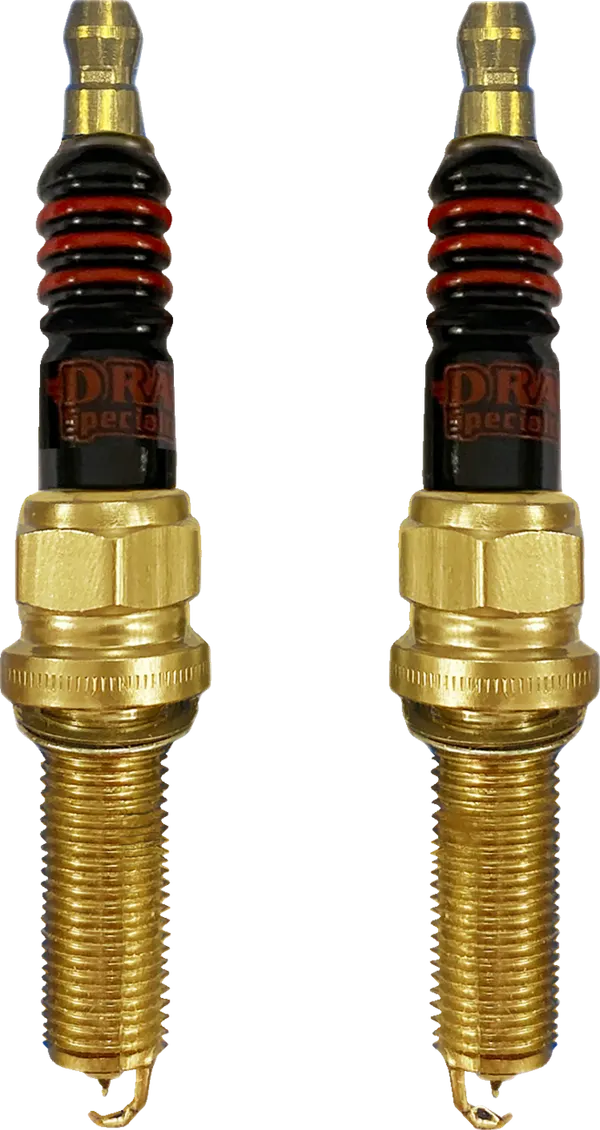 Drag Specialties
Iridium Spark Plugs
Iridium
$33.87 – $38.11In stock
2 plugs