La historia completa
What it means for you
- If you need a small, easy commuter that copes with bad pavement, the 14-inch wheels and the 68 mm fork are the parts of the spec that matter most.
- Set the rear preload to your load: softer solo, firmer with a passenger or a full bag.
- Consumables are simple to stock: one tire size, 120/70-14, front and rear, a 220 mm front disc and a 140 mm rear drum.
- Ask the dealer whether the Piaggio MIA phone link is included before you count on dash navigation or notifications.
- Price and US availability are not in the release; check with a Piaggio dealer and see our Piaggio Bike Dossier for the rest of the range.
Qué cambió
Piaggio Typhoon
- Nuevo
Design
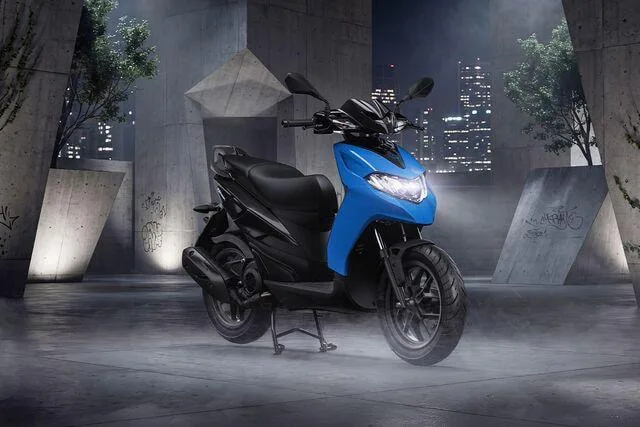
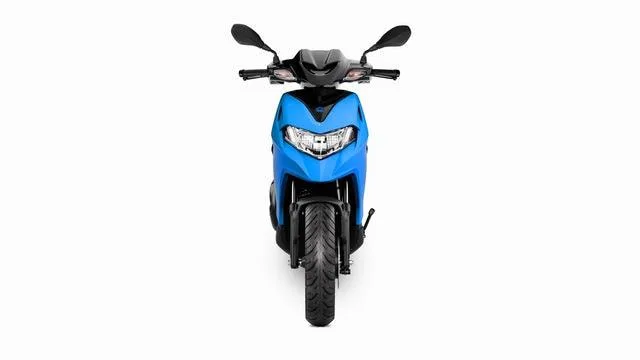
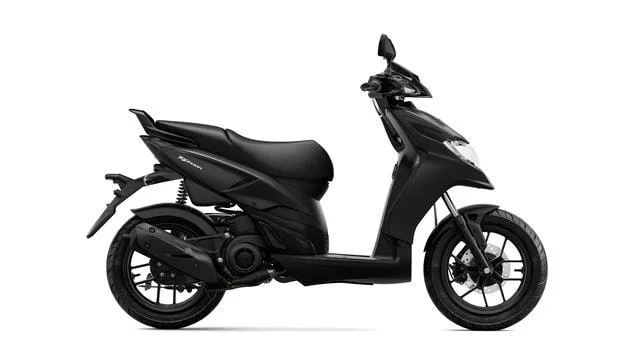
Thoroughly modern design keeping the duckbill front end
- Nuevo
Engine
124 cc SOHC single, Euro 5+
- Nuevo
Instruments
All-new fully digital TFT display
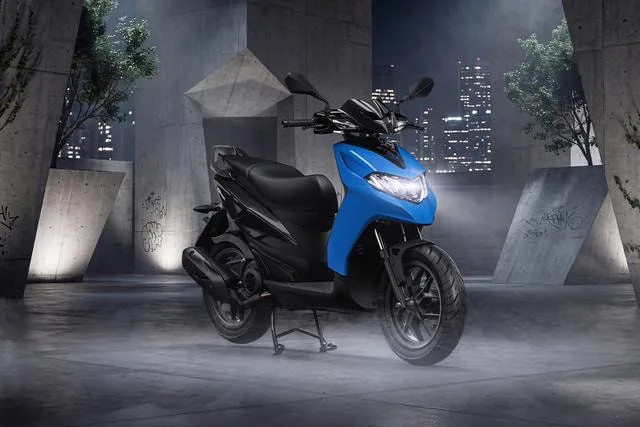
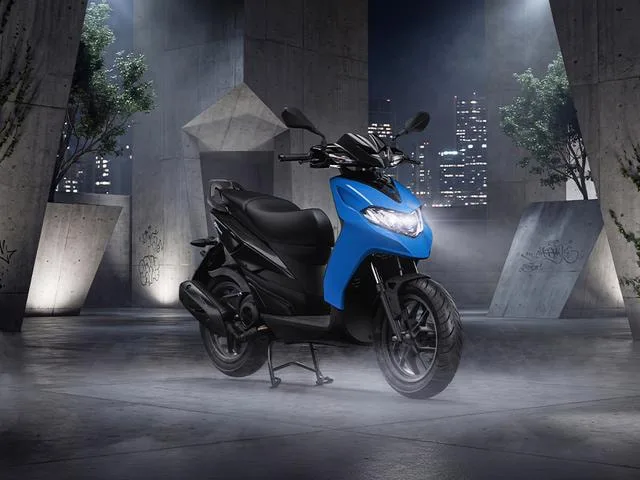
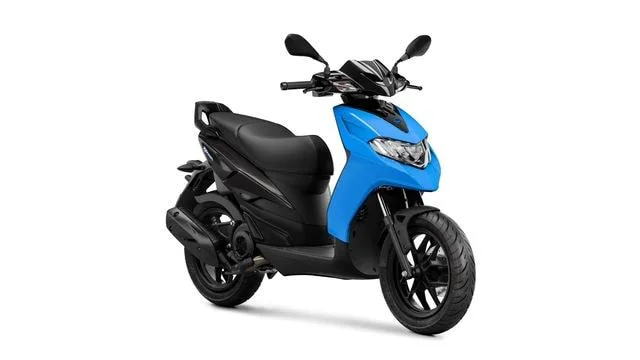
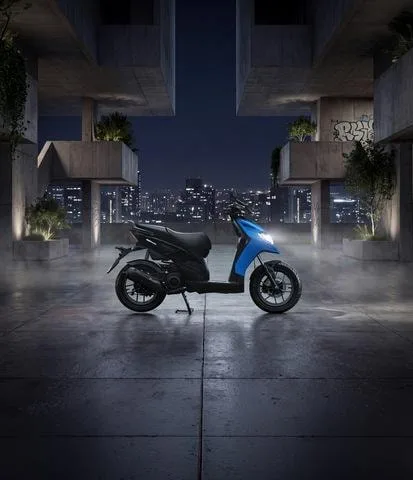
The Typhoon is one of Piaggio's longest-running nameplates, a tough small scooter with a sporty look and a youthful audience. The new one keeps the recognisable duckbill nose, the protective leg shield and big wheels, but wraps them in a fully modern design. Piaggio aims it at riders who use a scooter every day in town, from school runs to cross-city trips, and want something light, simple to ride and cheap to run that still looks like it has an attitude.
Heritage and design
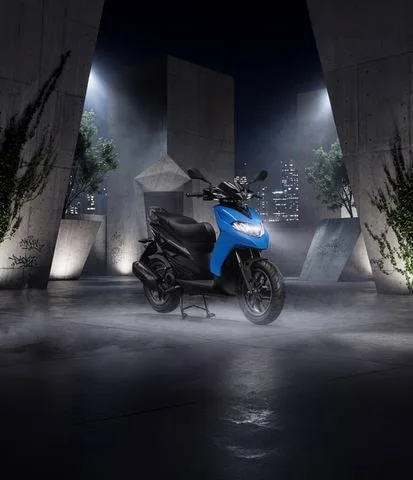
Piaggio leans on the Typhoon's past toughness, recalling that the model has been raced in punishing off-road events such as the Baja Aragón and the Baja 1000 in Mexico. The new design is compact and squared-off, and Piaggio says it was developed around light weight, strength, safety, lively performance, easy handling and low running costs. The pitch for city riders is practical: tram tracks, cobbles and potholes should not unsettle it.
Engine and drivetrain
Power comes from a 124 cc four-stroke single with forced-air cooling, fuel injection and a three-valve SOHC head, approved to Euro 5+. It makes 7.8 kW at 7,400 rpm and 10.4 Nm at 6,200 rpm, and drives through a CVT with an automatic clutch, so there is no shifting and no clutch lever. Air cooling keeps maintenance simple: there is no coolant to check or radiator to clean.
Chassis, brakes and wheels
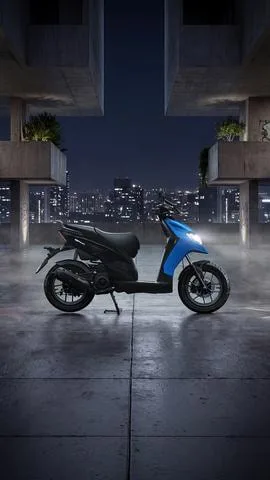
The frame is high-strength tubular steel with welded reinforcements. Up front sits a telescopic hydraulic fork with 68 mm of travel, and the single rear shock has a spring preload you can set in four positions, which is handy when you carry a passenger or a heavy bag.
Braking uses a hydraulic Combined Braking System that shares force between both wheels, with a 220 mm front disc and floating twin-piston caliper and a 140 mm rear drum. Piaggio highlights the benefit on wet or slippery roads. Both wheels are 14-inch and wear tubeless 120/70-14 tires, the same size front and rear.
Comfort, dash and practicality
A wide, flat footboard gives your feet room and takes a bag or backpack, held in place by a hook on the inner leg shield. Saddle height is 797 mm, and the fuel tank holds 6 litres plus a 1.2-litre reserve.
The instruments are a new, fully digital TFT display. Pair a phone through the Piaggio MIA system and the screen can show its functions. The release does not say whether MIA is standard or an option on the Typhoon.
Colours and availability
There are four colours: Nero Monsone, Bianco Boreale, Grigio Scirocco and Blu Oceano. The release gives no price, no on-sale date and no markets, and it does not mention the US.