The full story
What it means for you
- Choose by terrain and riding style: the TF 250-C for tight, technical woods riding, the TF 450-C if your races have long climbs and fast sections and you want more torque.
- Budget for the accessory MX Tune Pro module if you want the three cross country maps; the bike itself comes with two.
- The 18-inch rear wheel and Dunlop Geomax AT82 tires differ from Triumph's motocross bikes, so check sizes (110/100 - 18 rear on both) before ordering spare tires and tubes.
- The 960mm seat height is tall for a woods bike; sit on one at a dealer, and ask what the suspension adjusters can do for your weight.
- Order through a Triumph motocross and enduro center; deliveries start in October 2025 in the US, Canada, France and New Zealand.
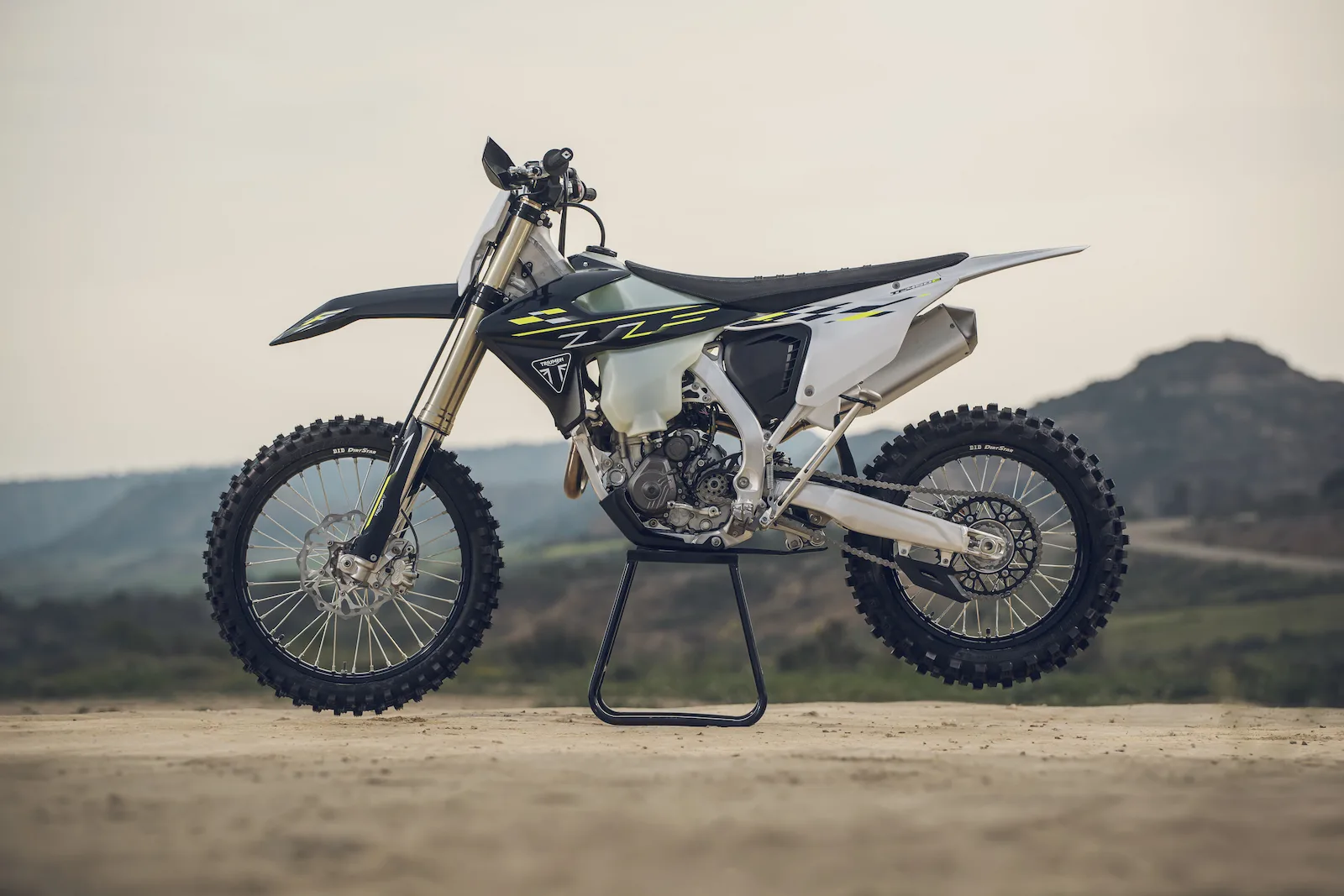
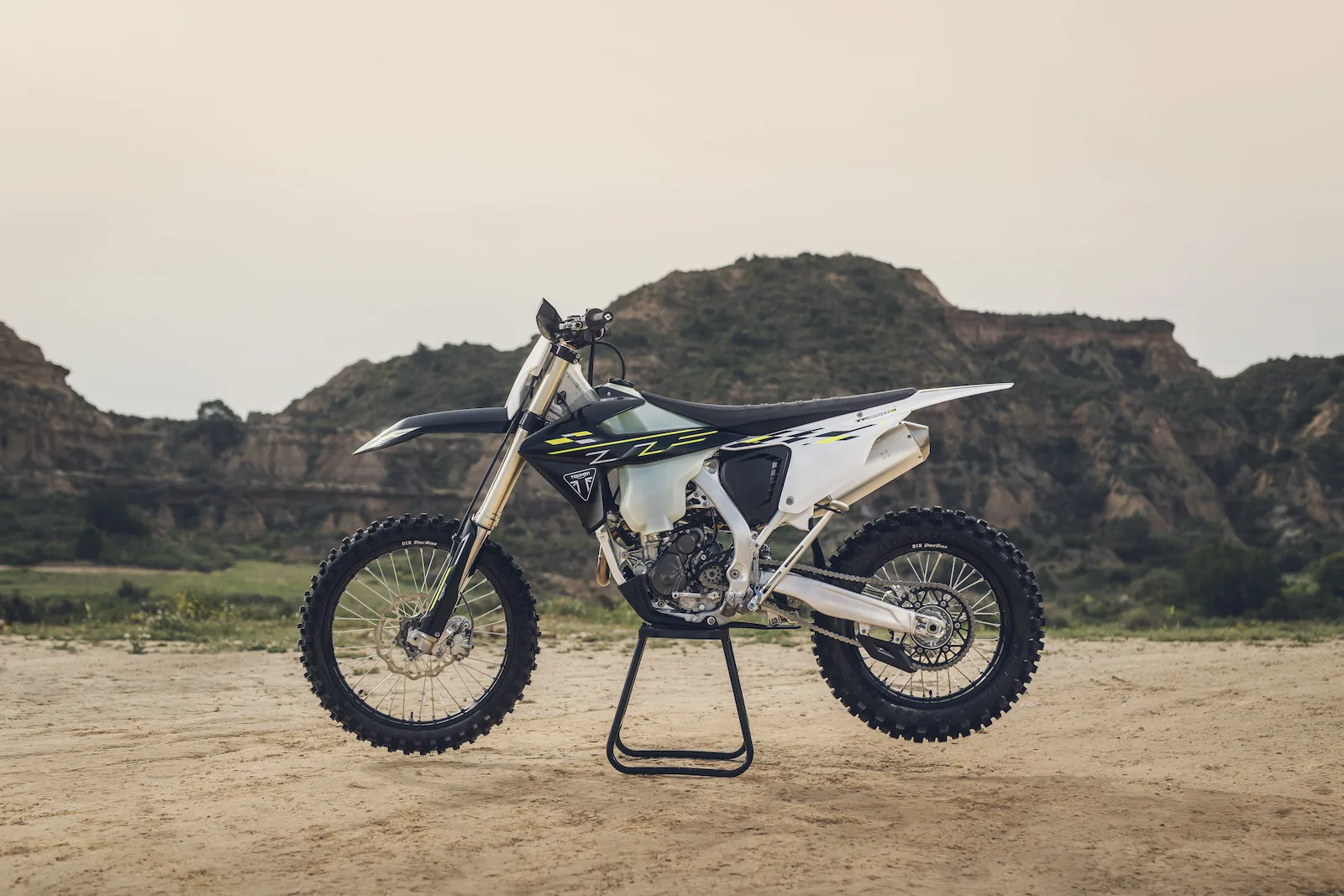
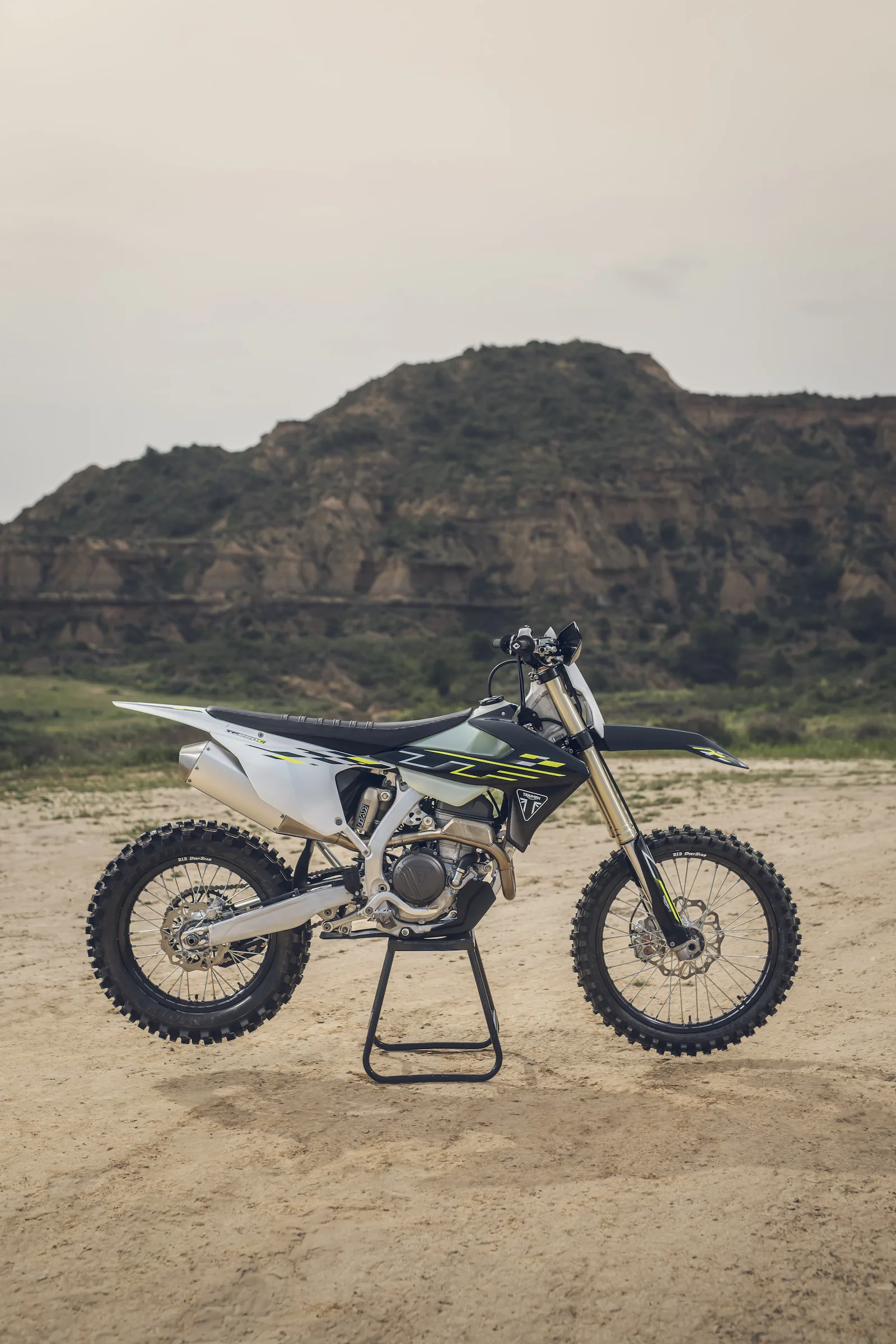
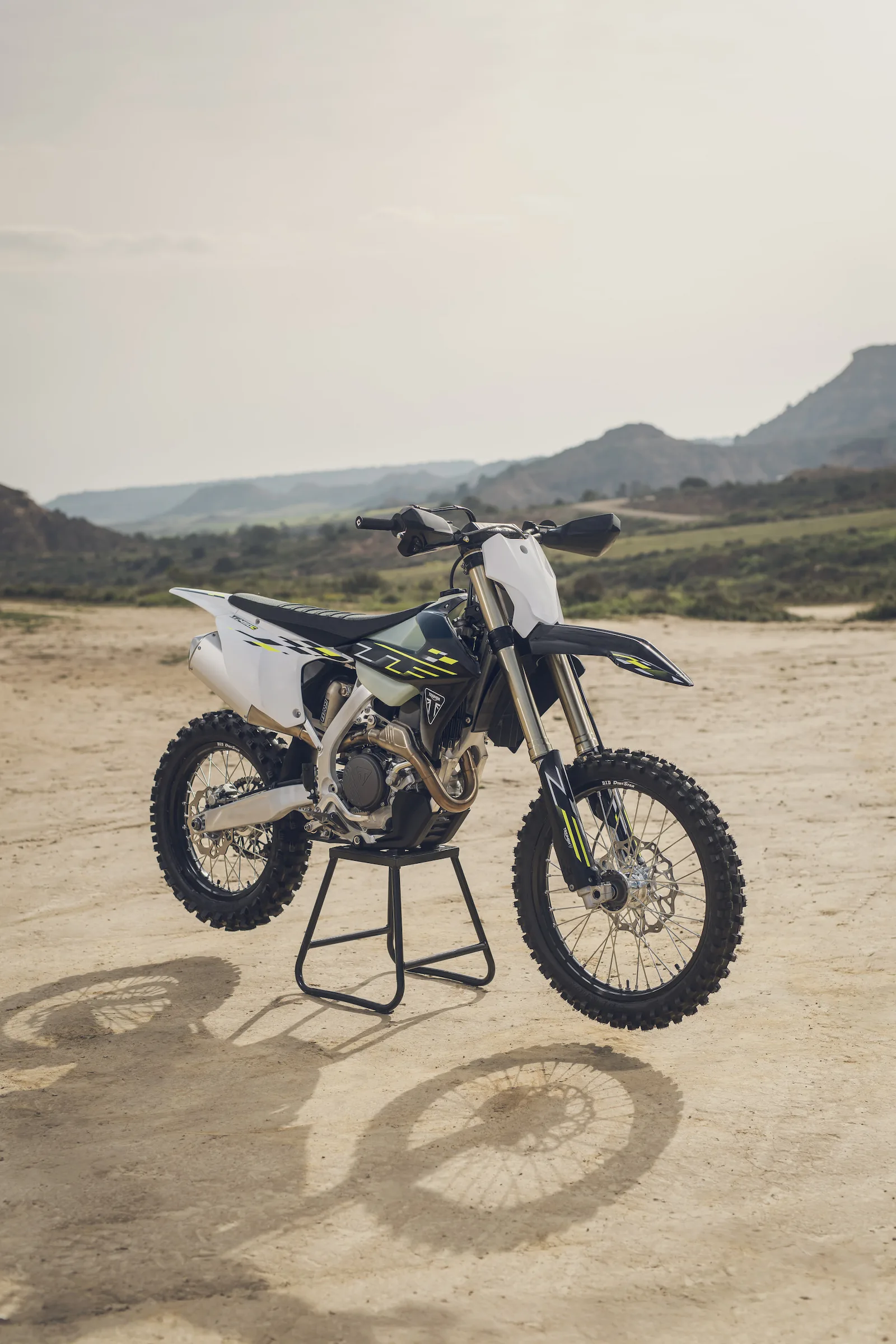
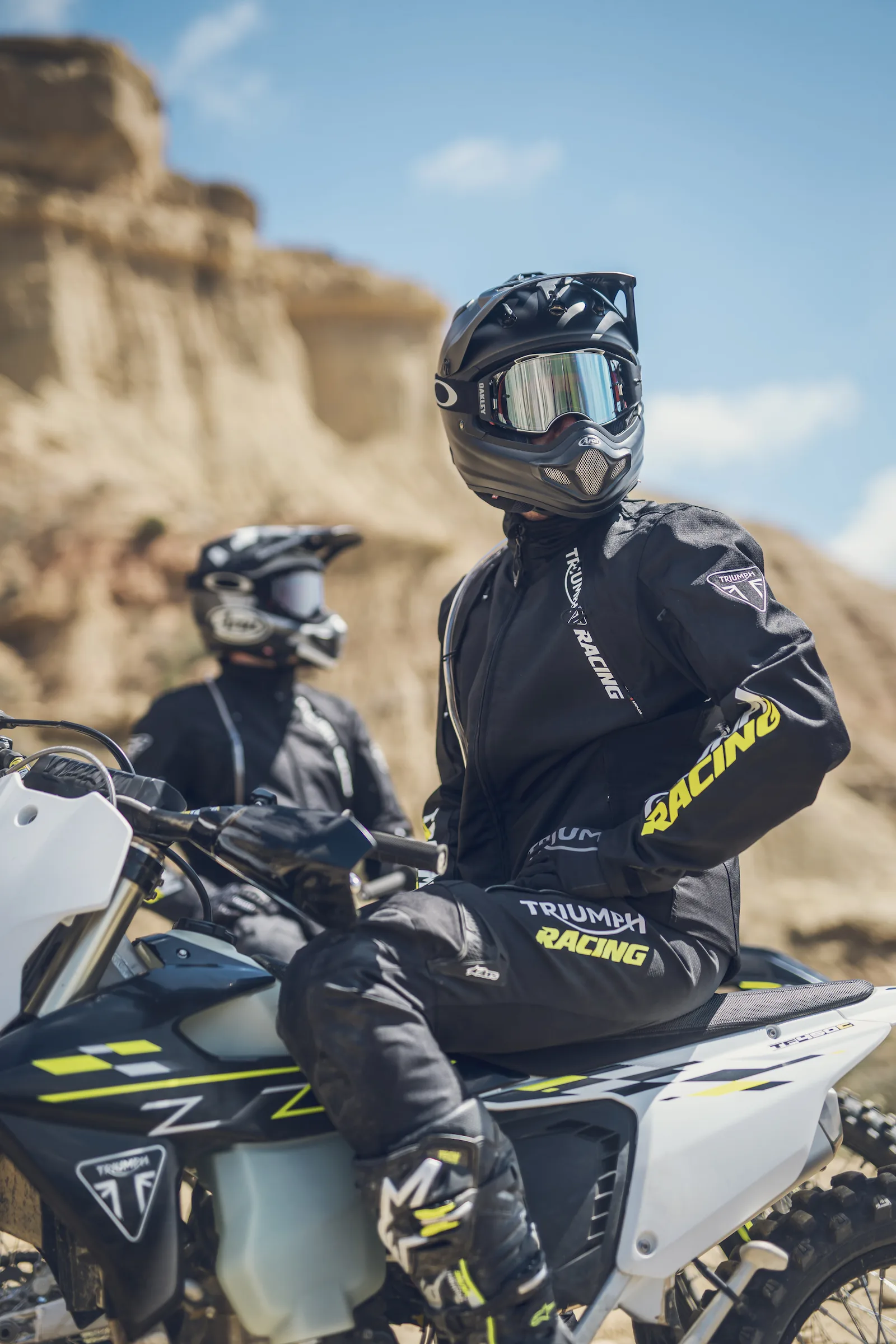
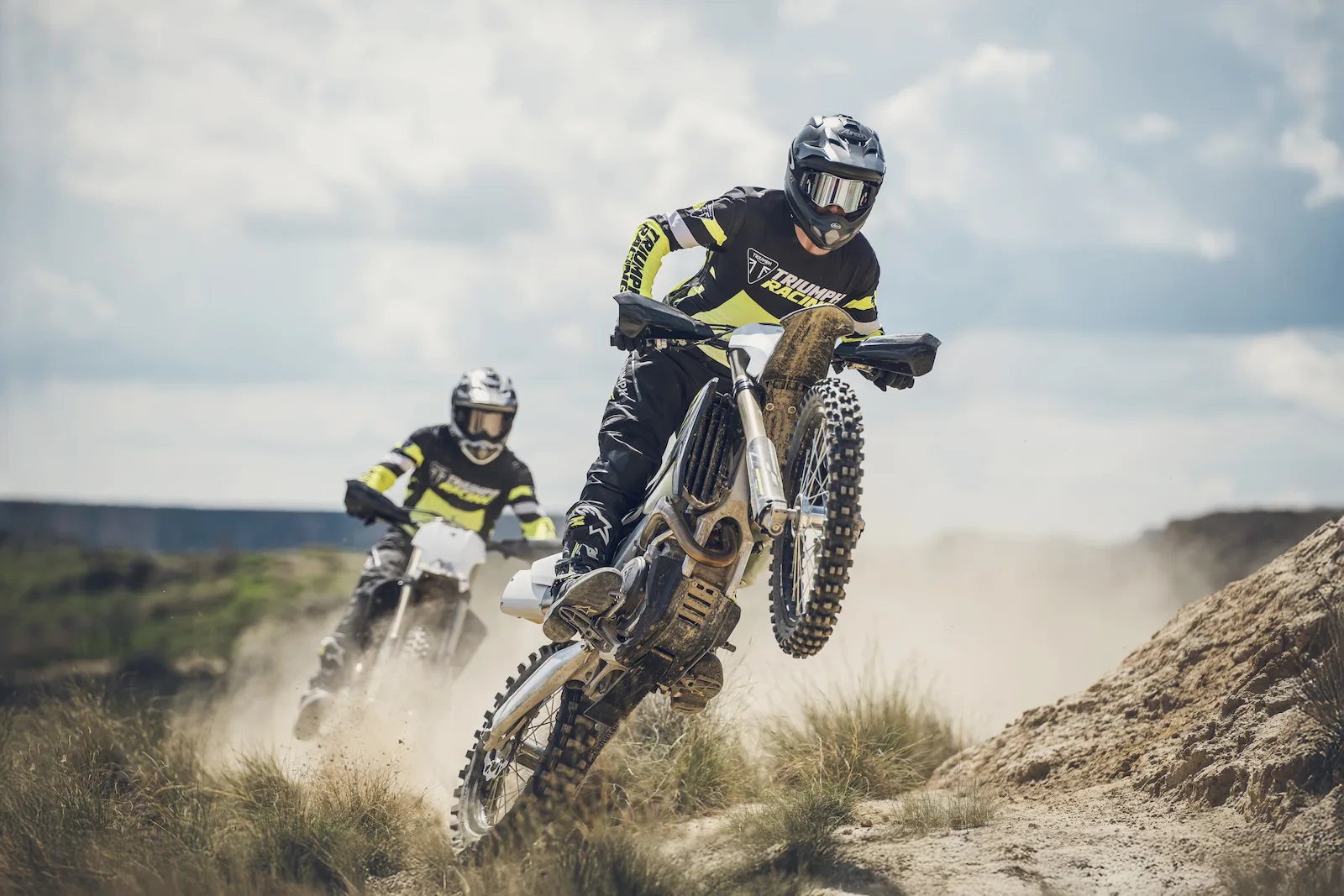
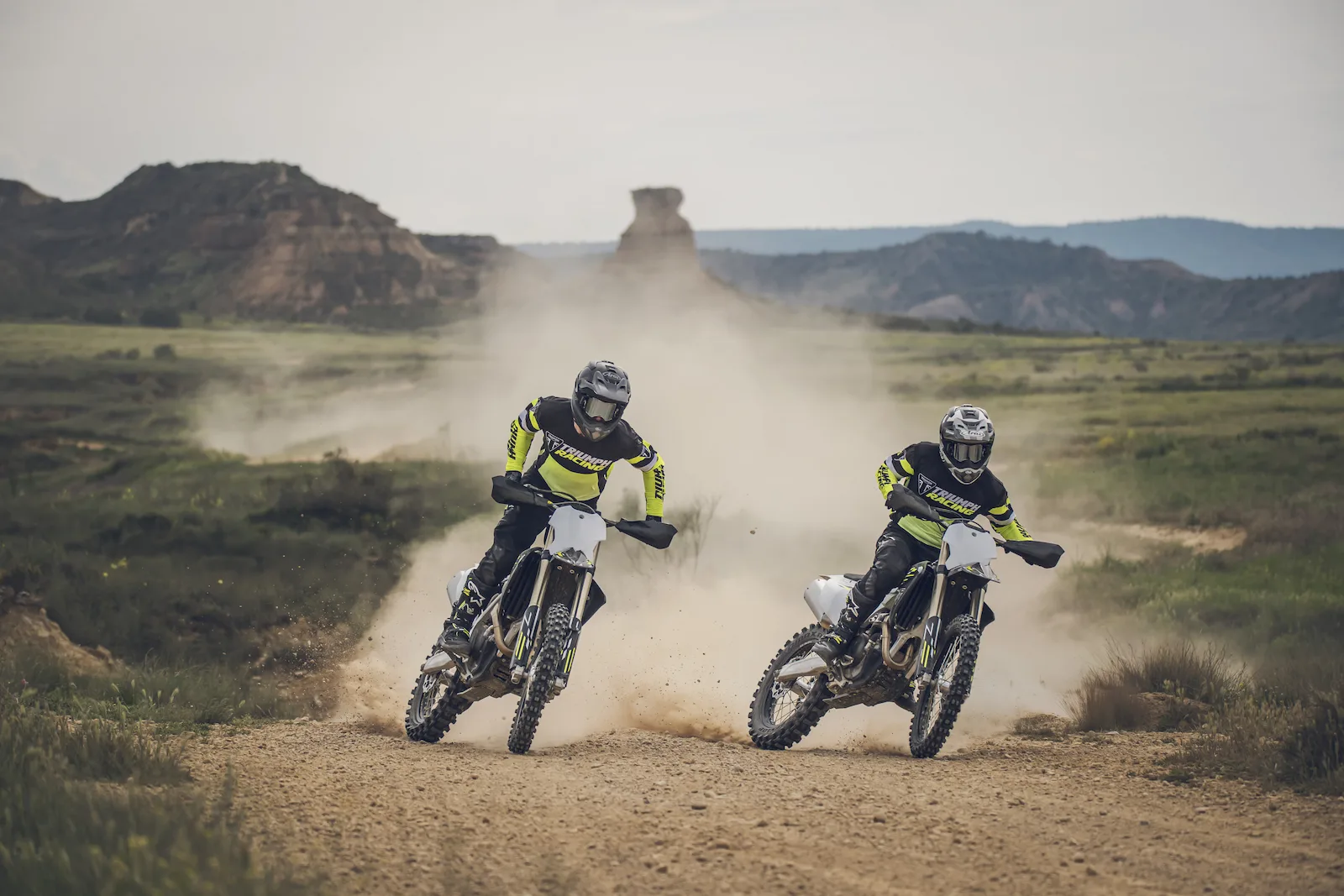
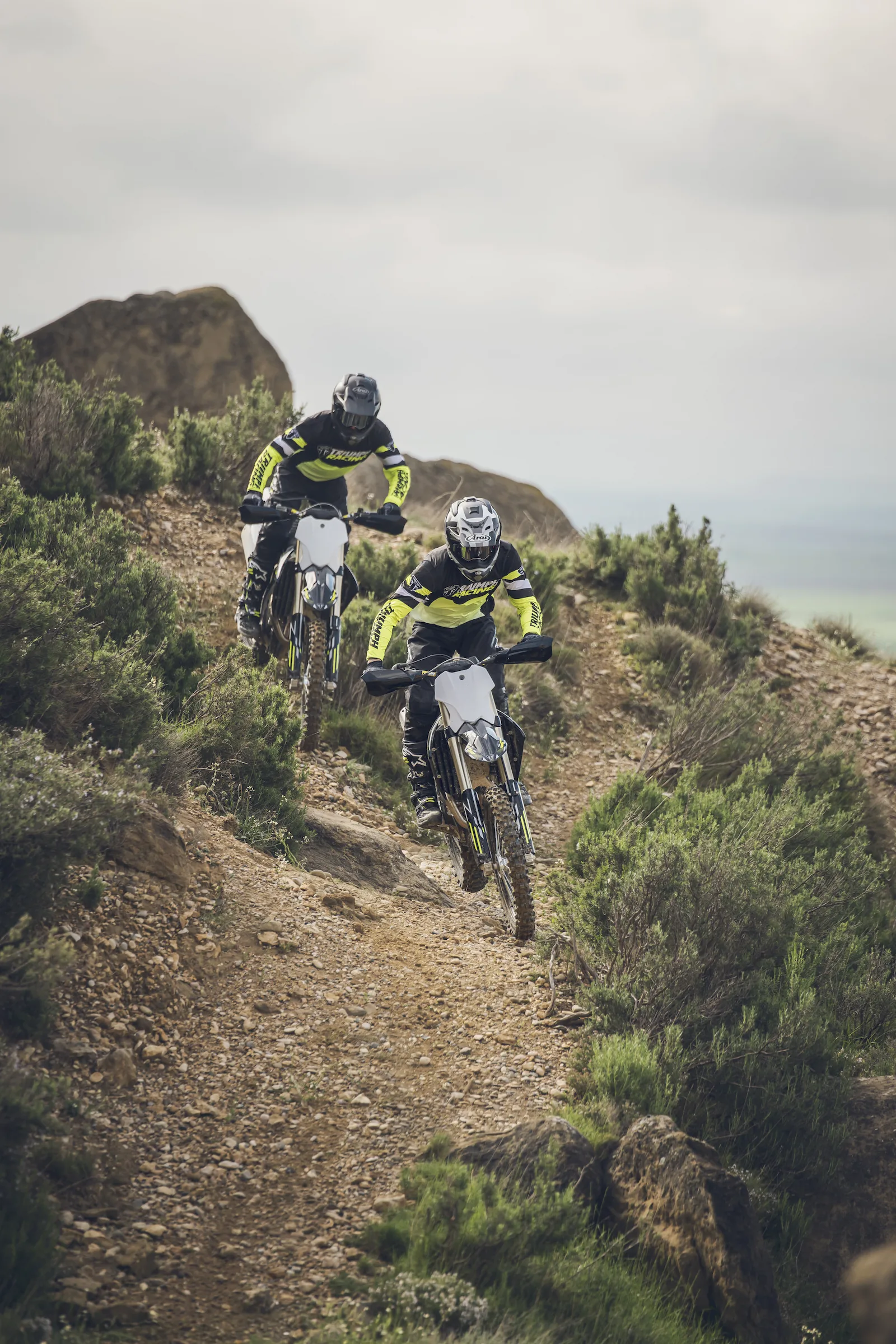
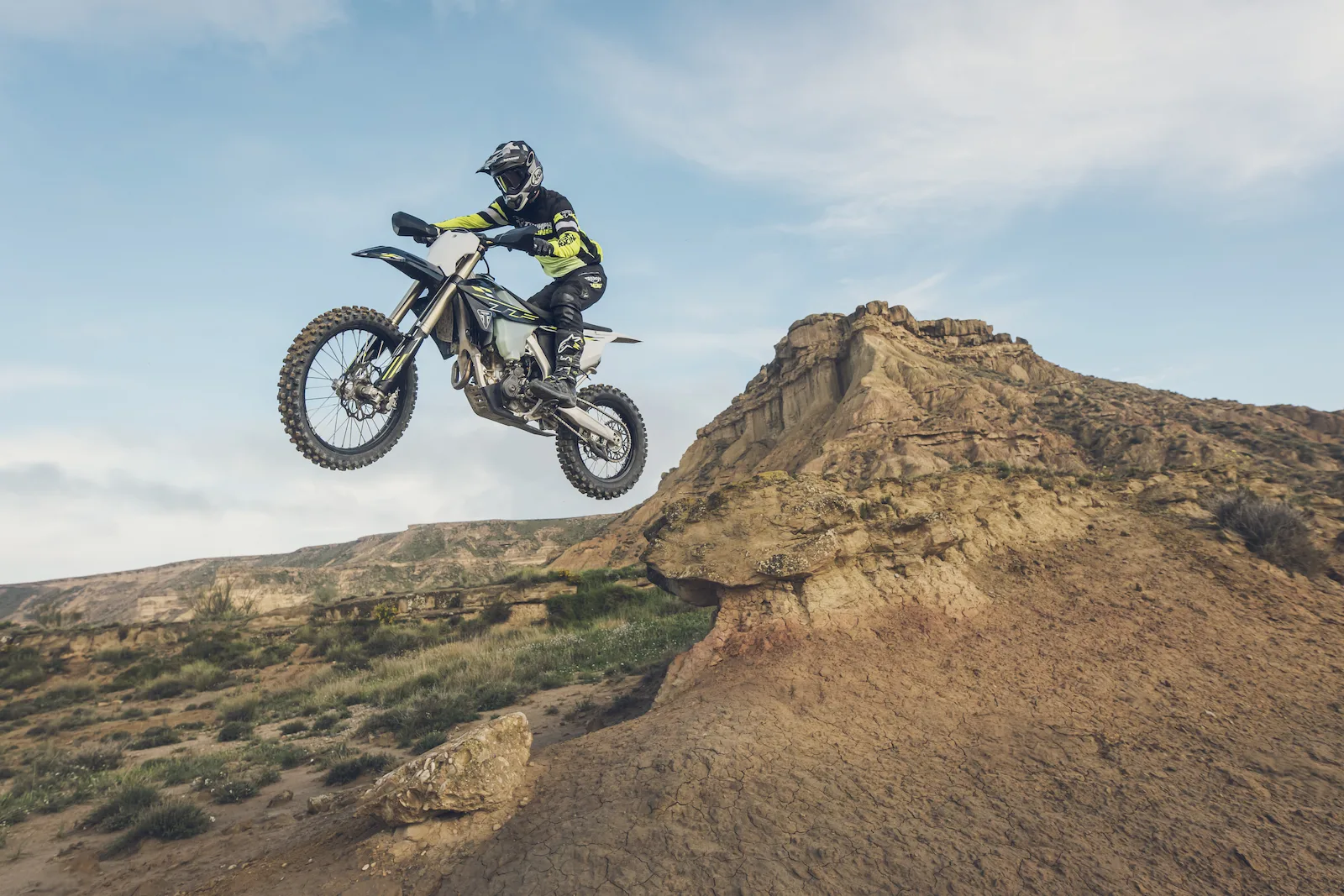
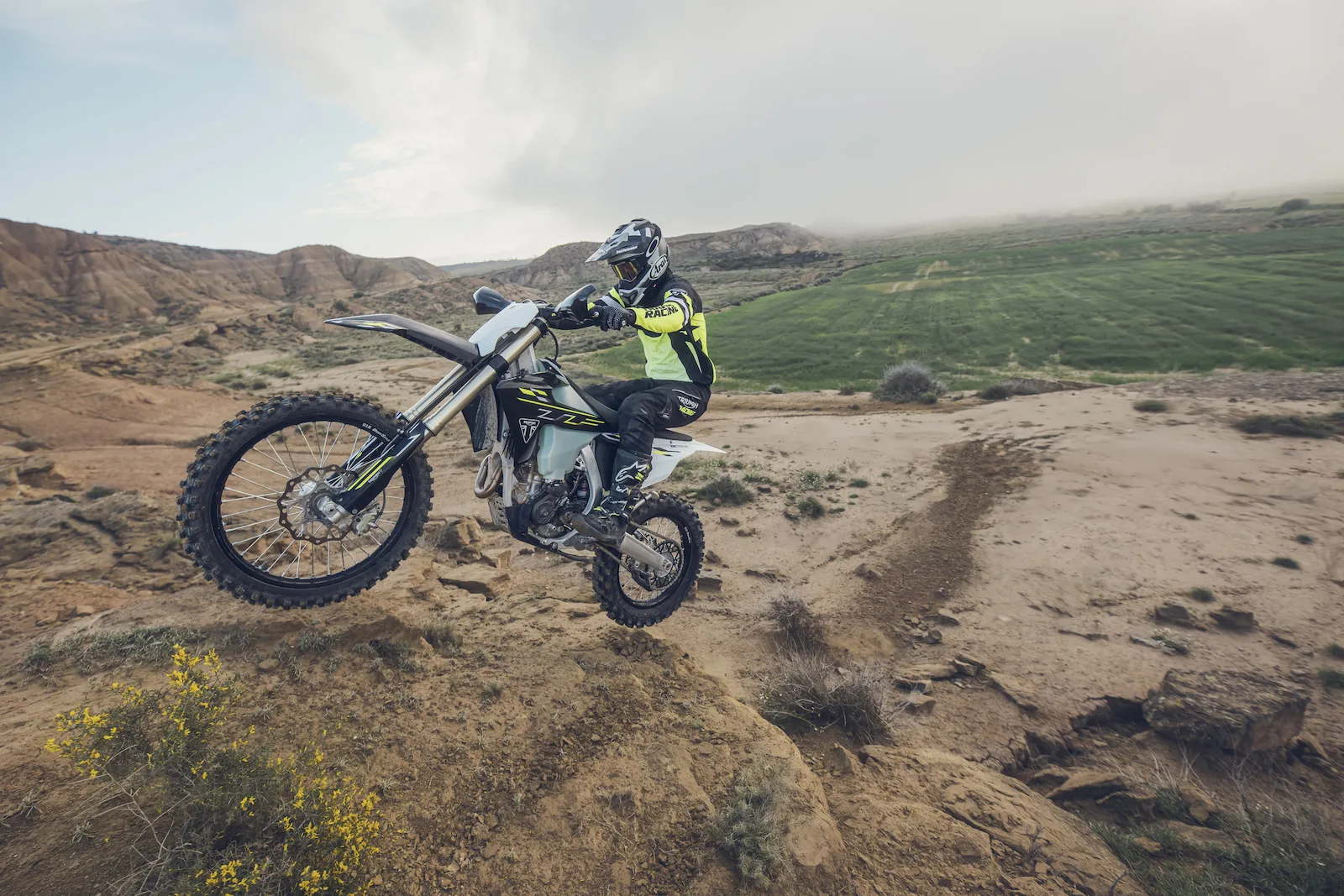
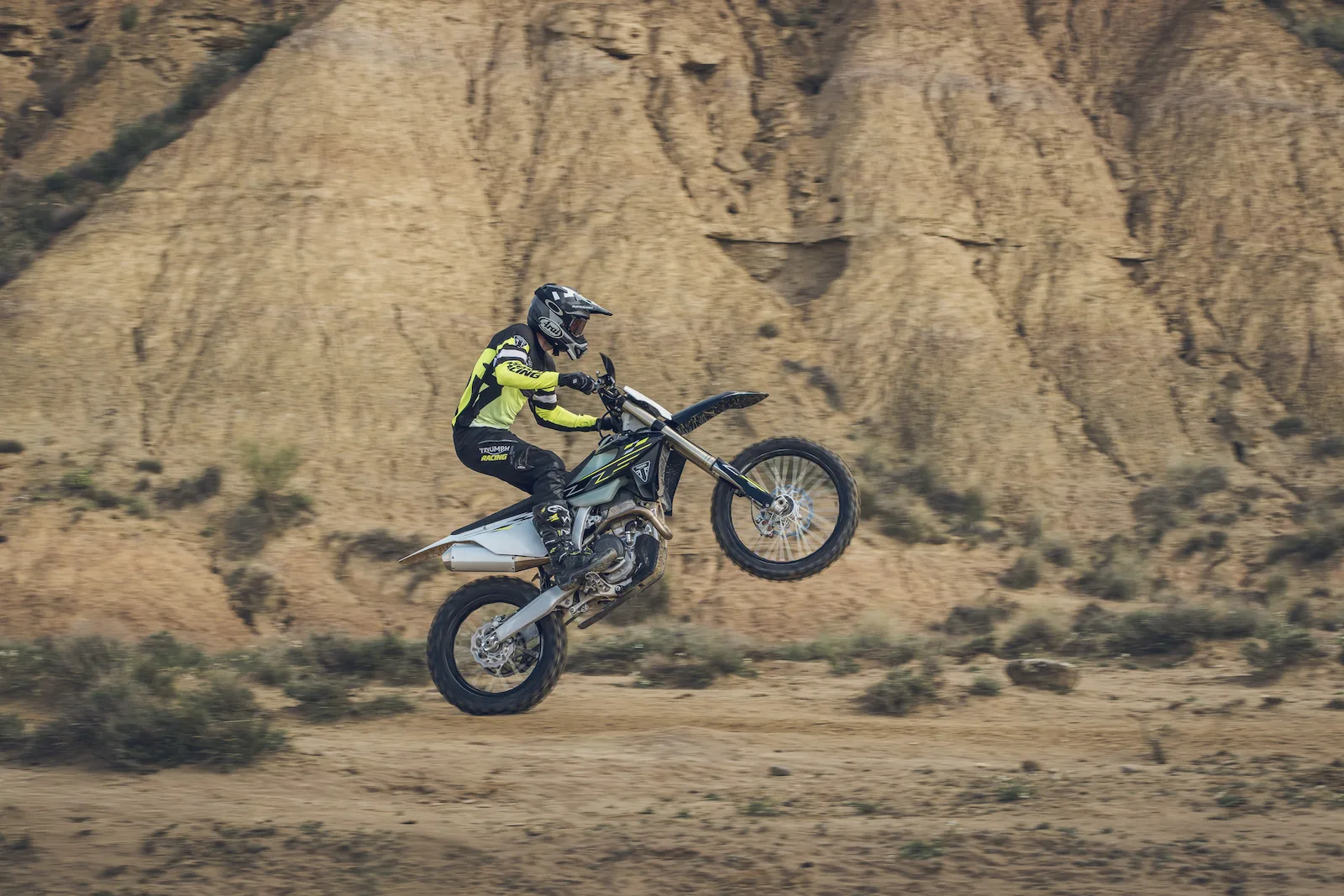
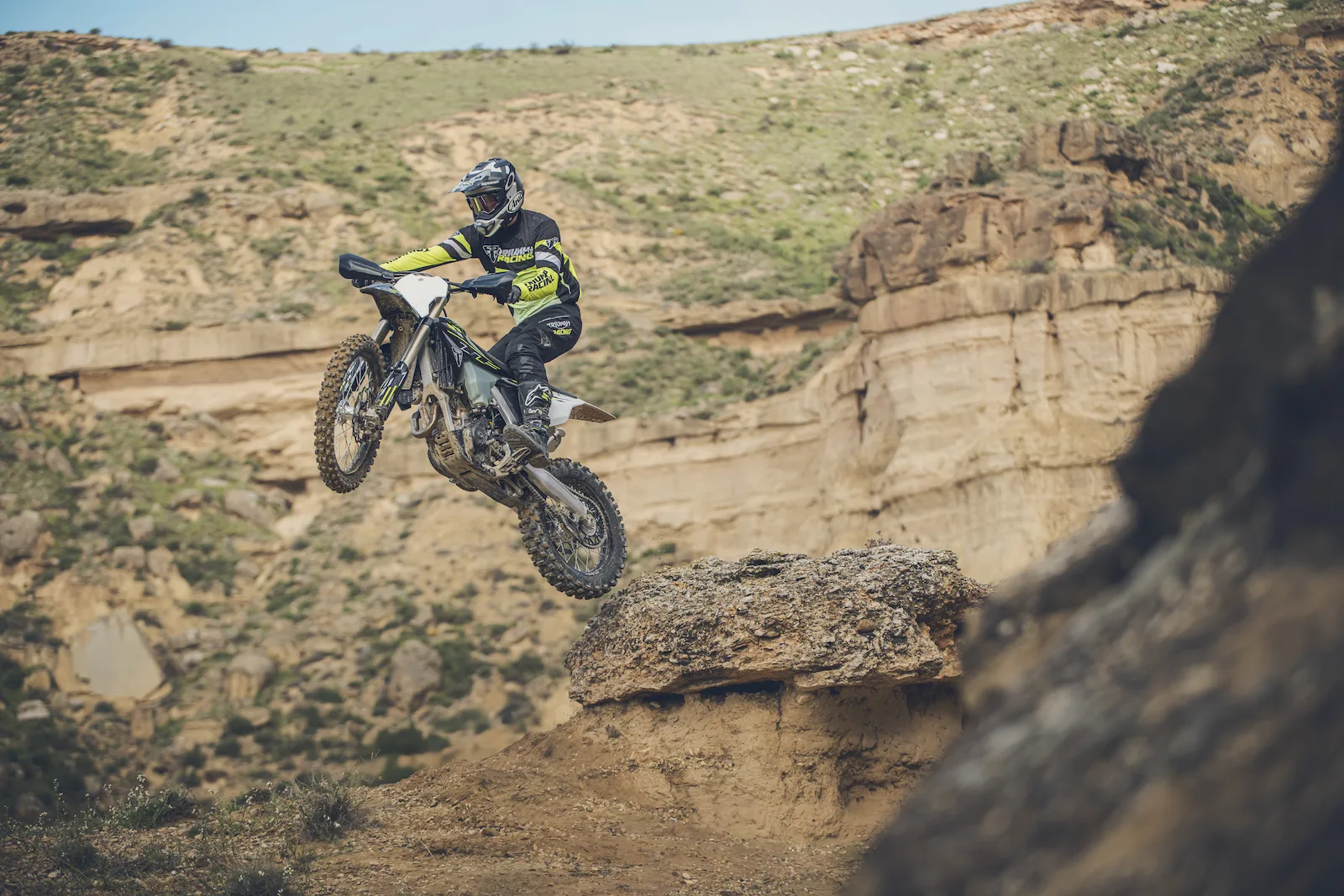
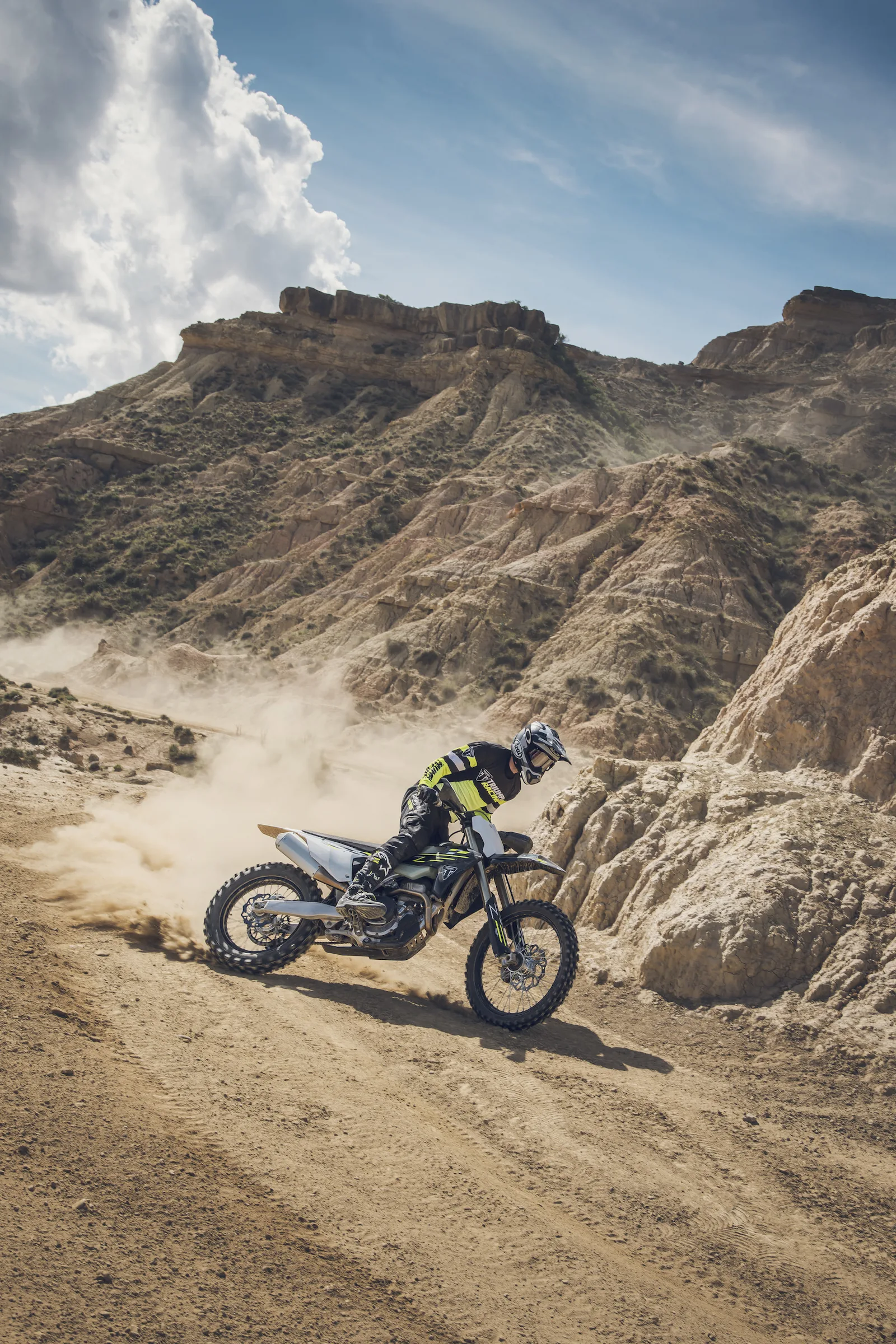
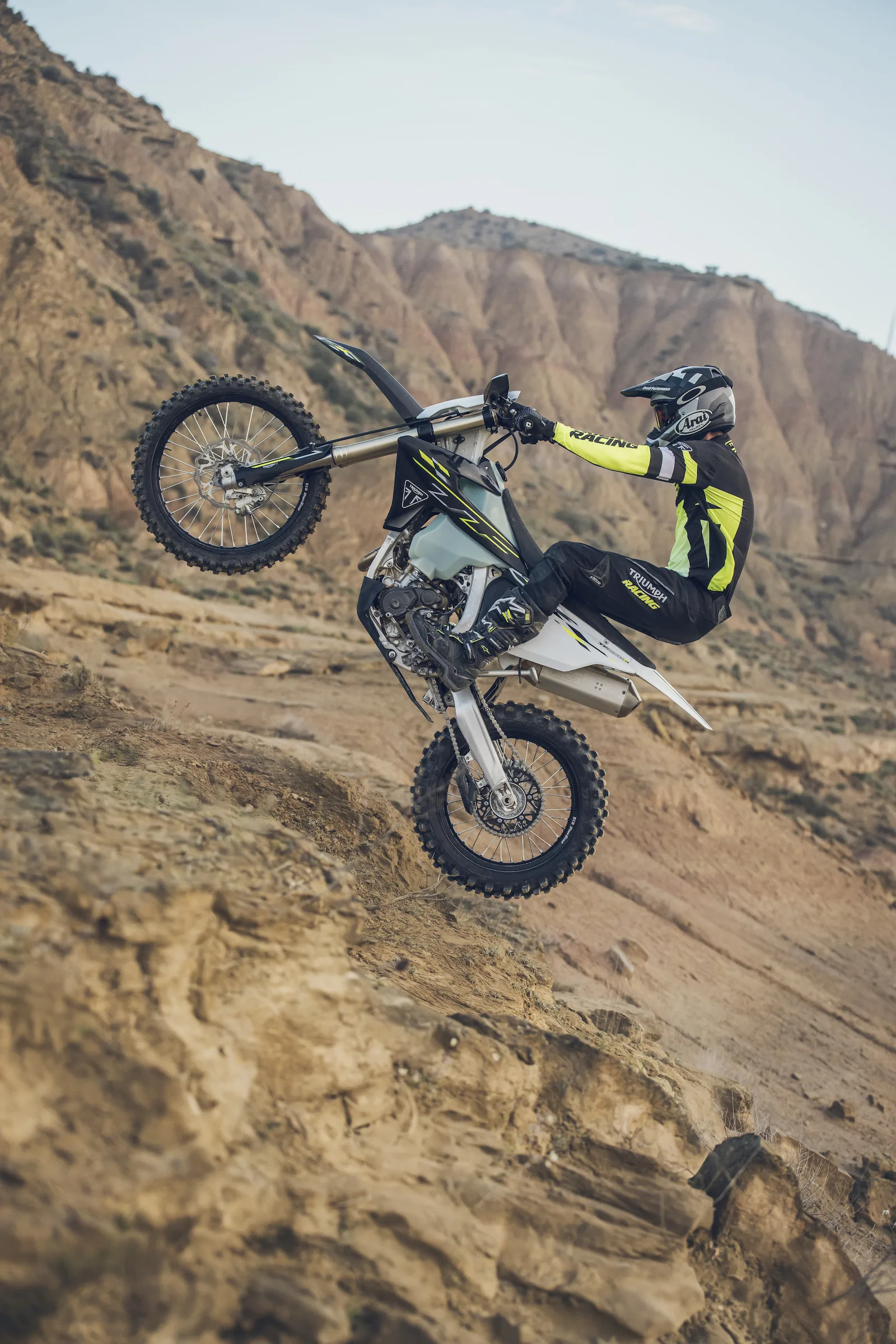
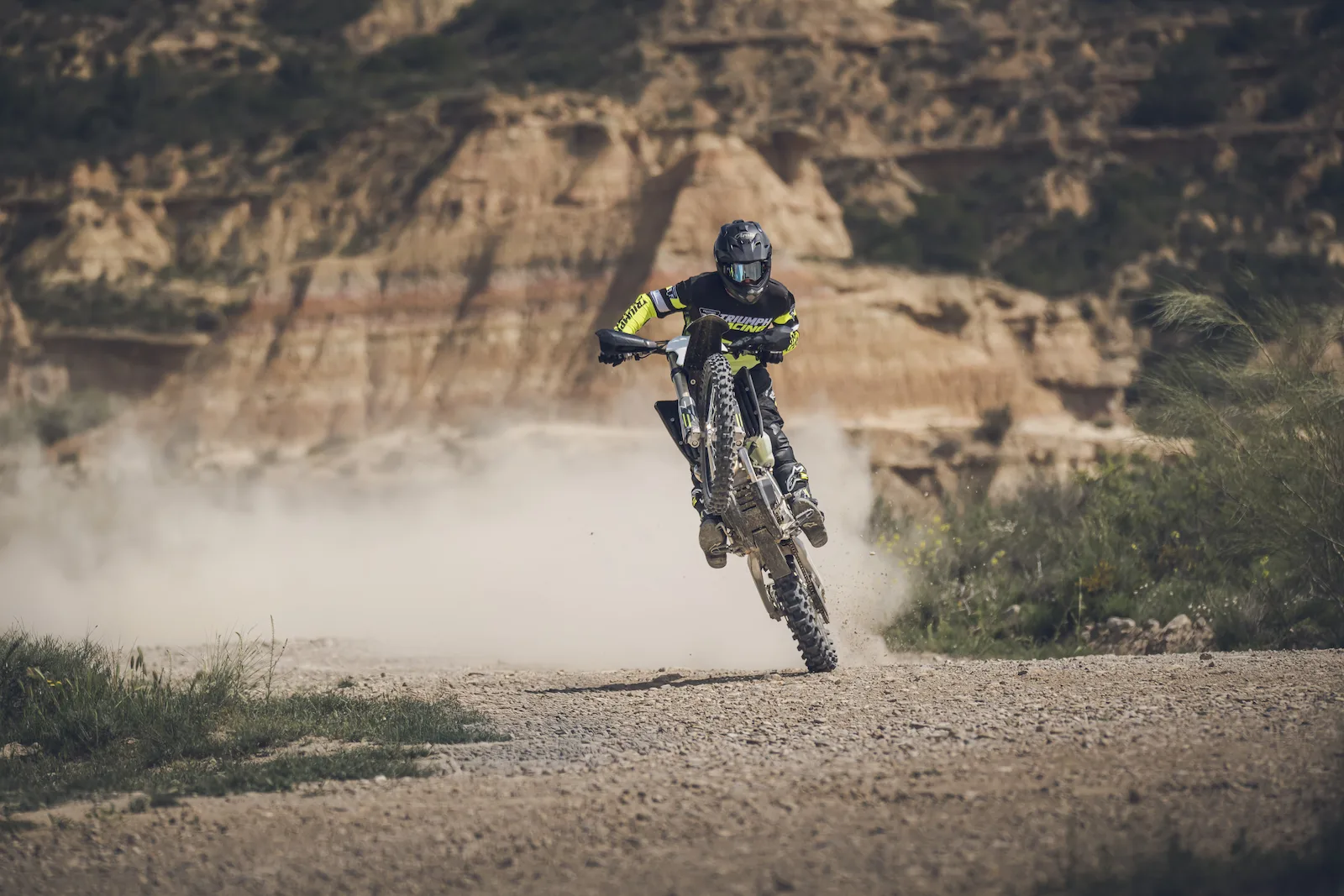
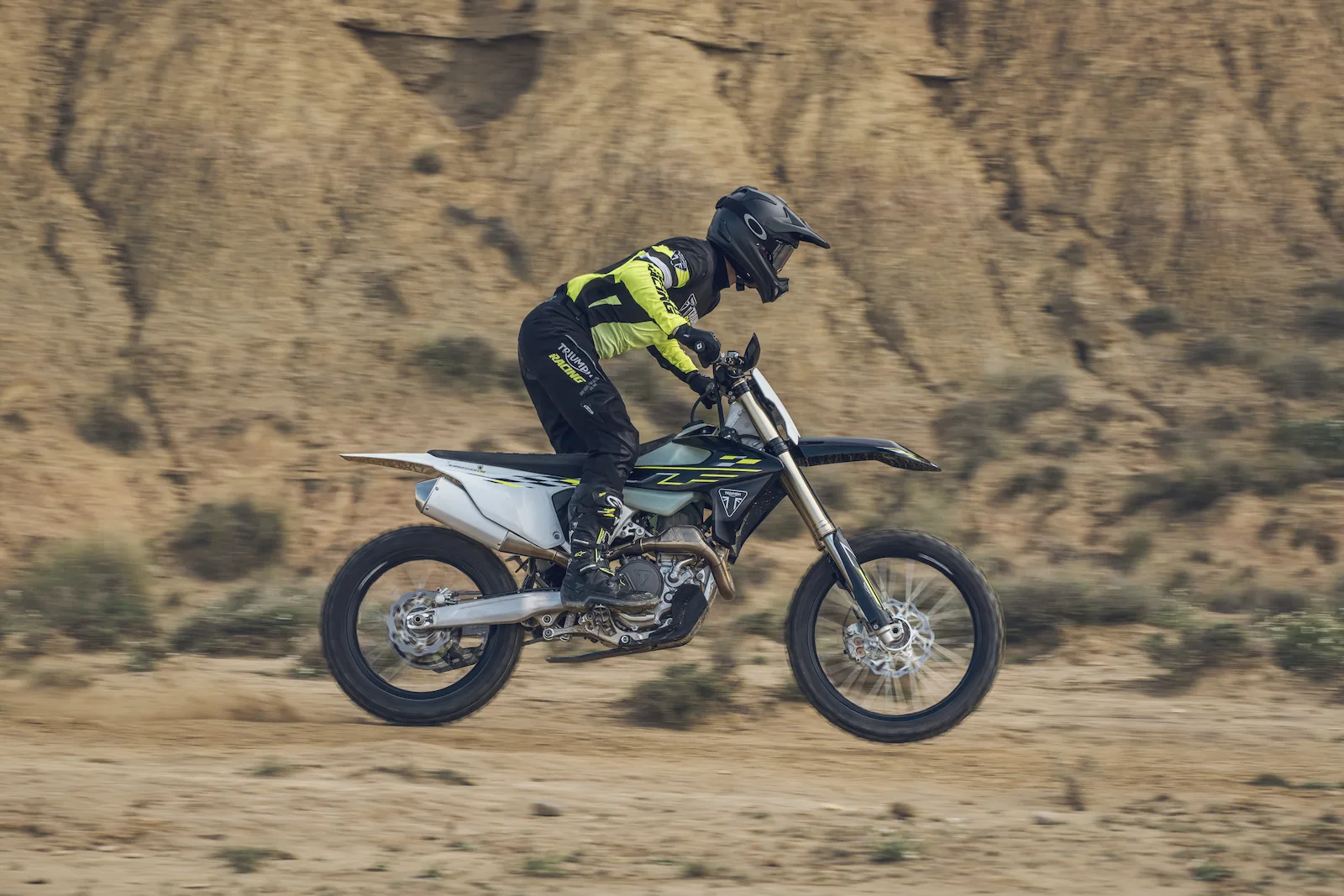
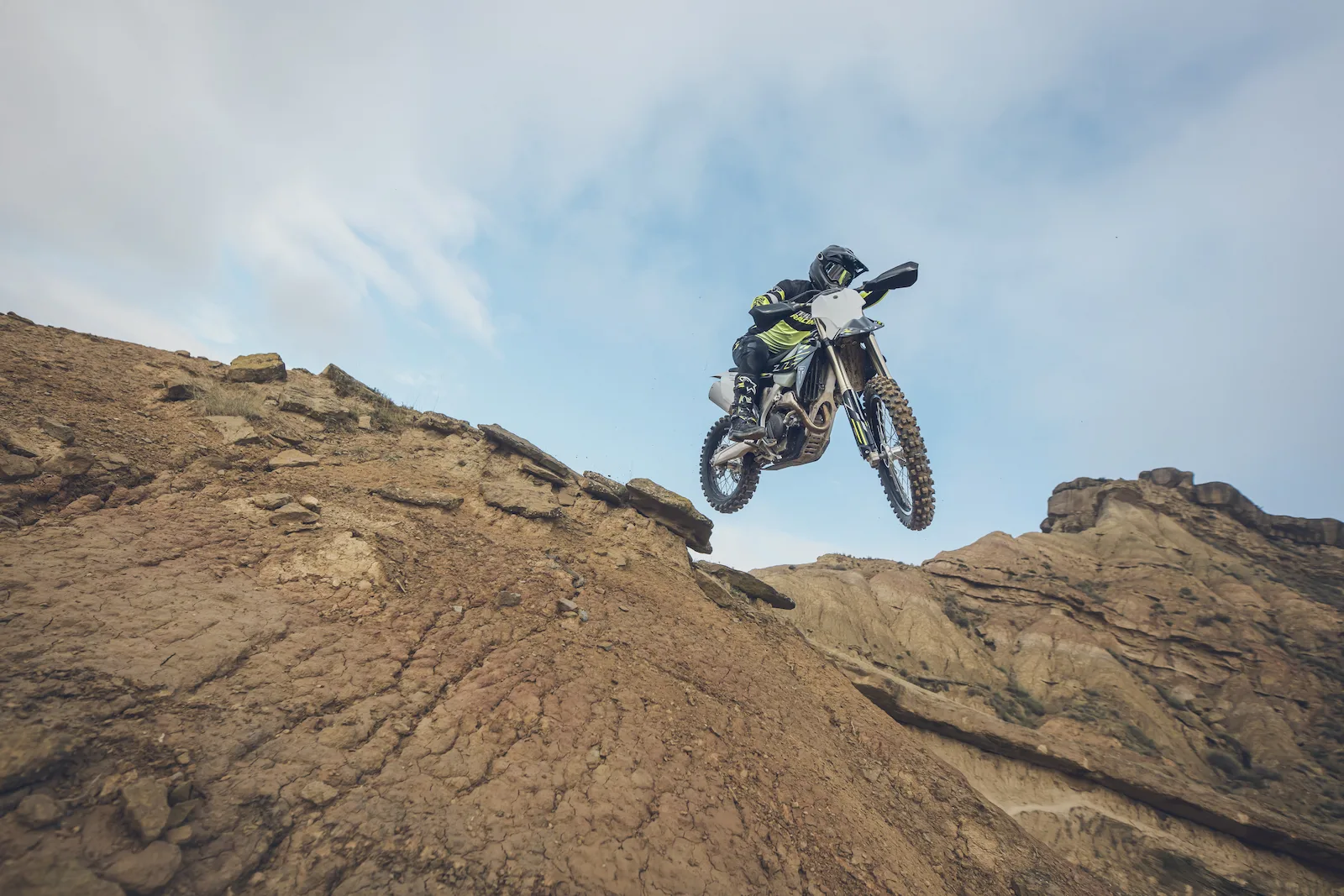
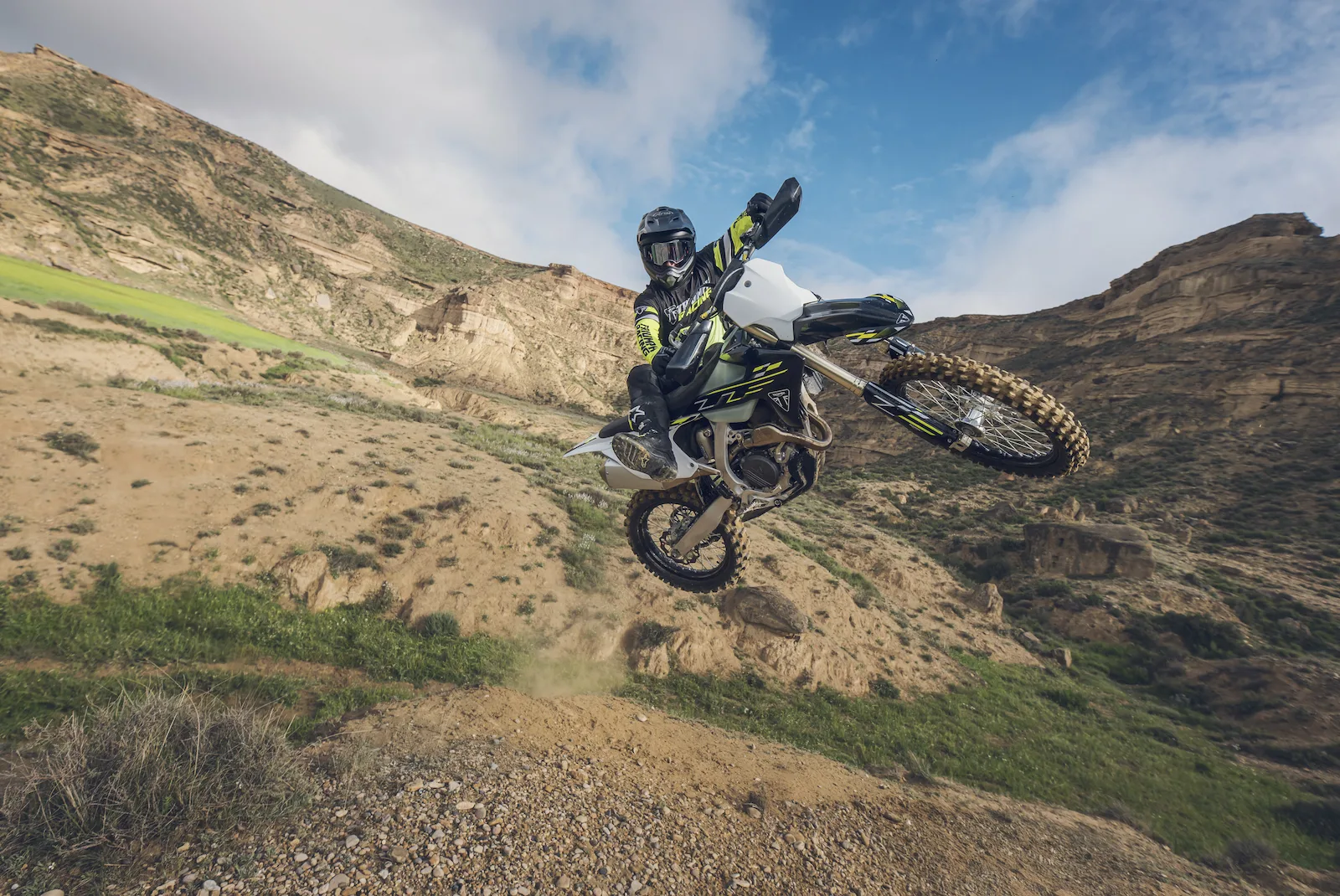
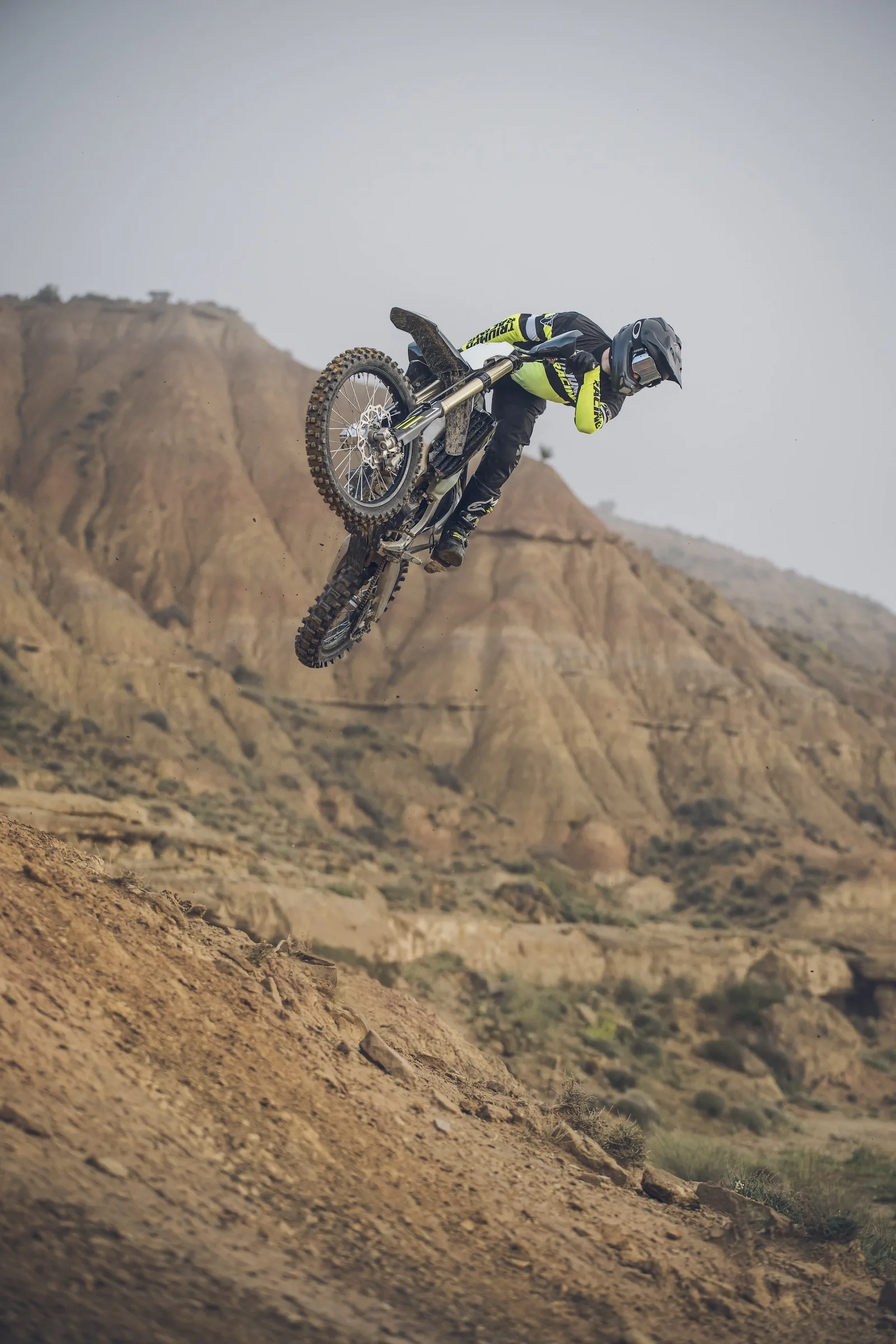
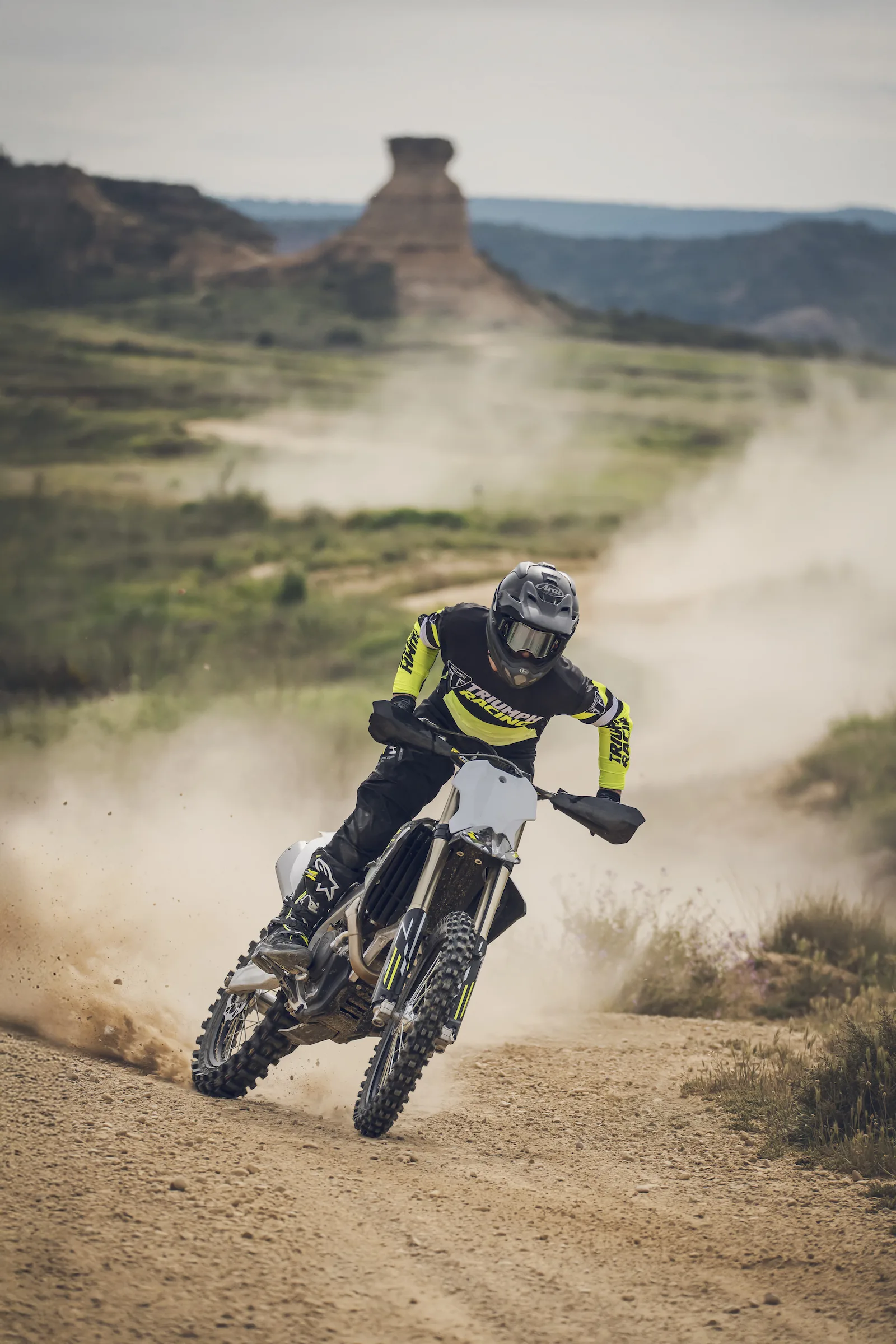
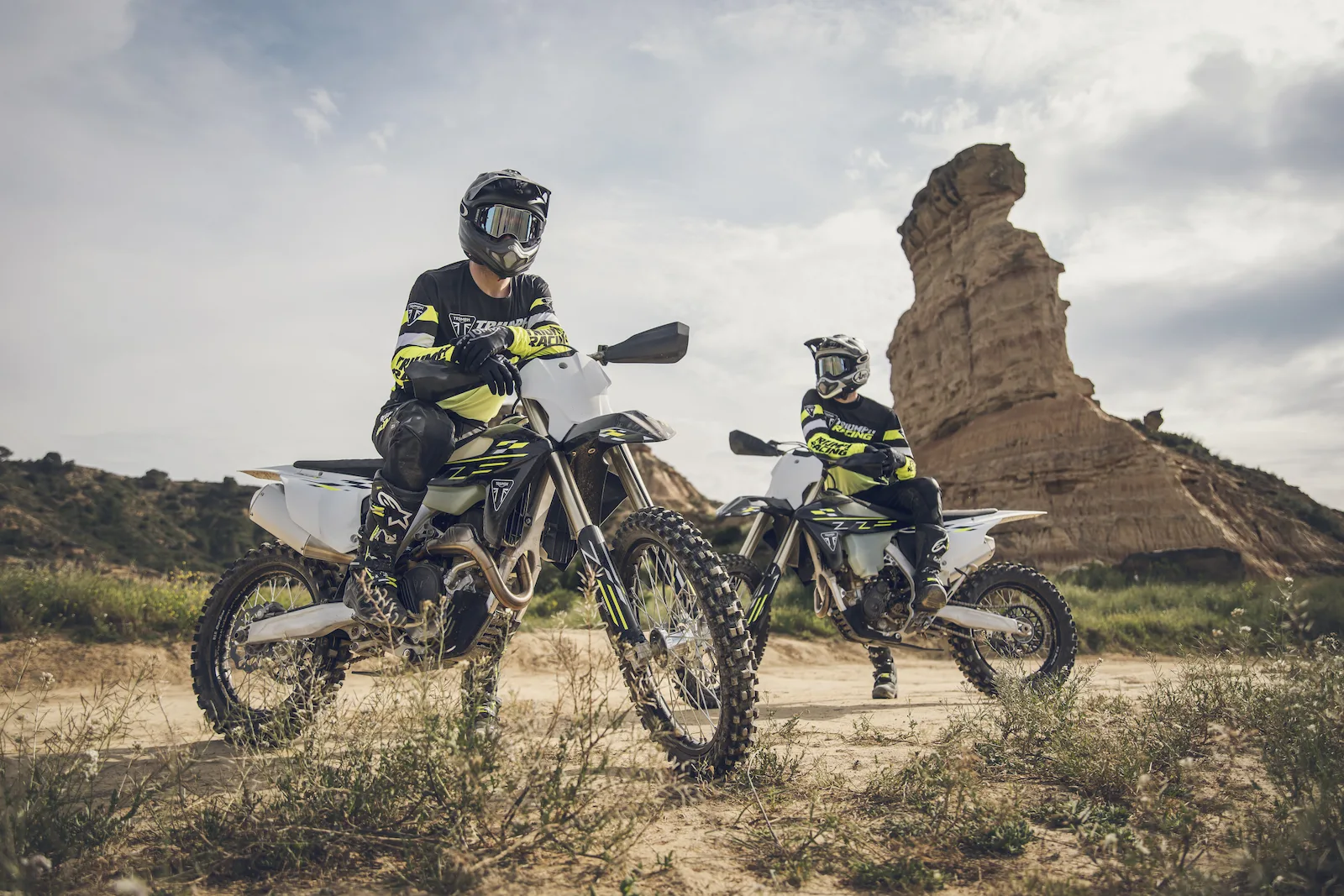
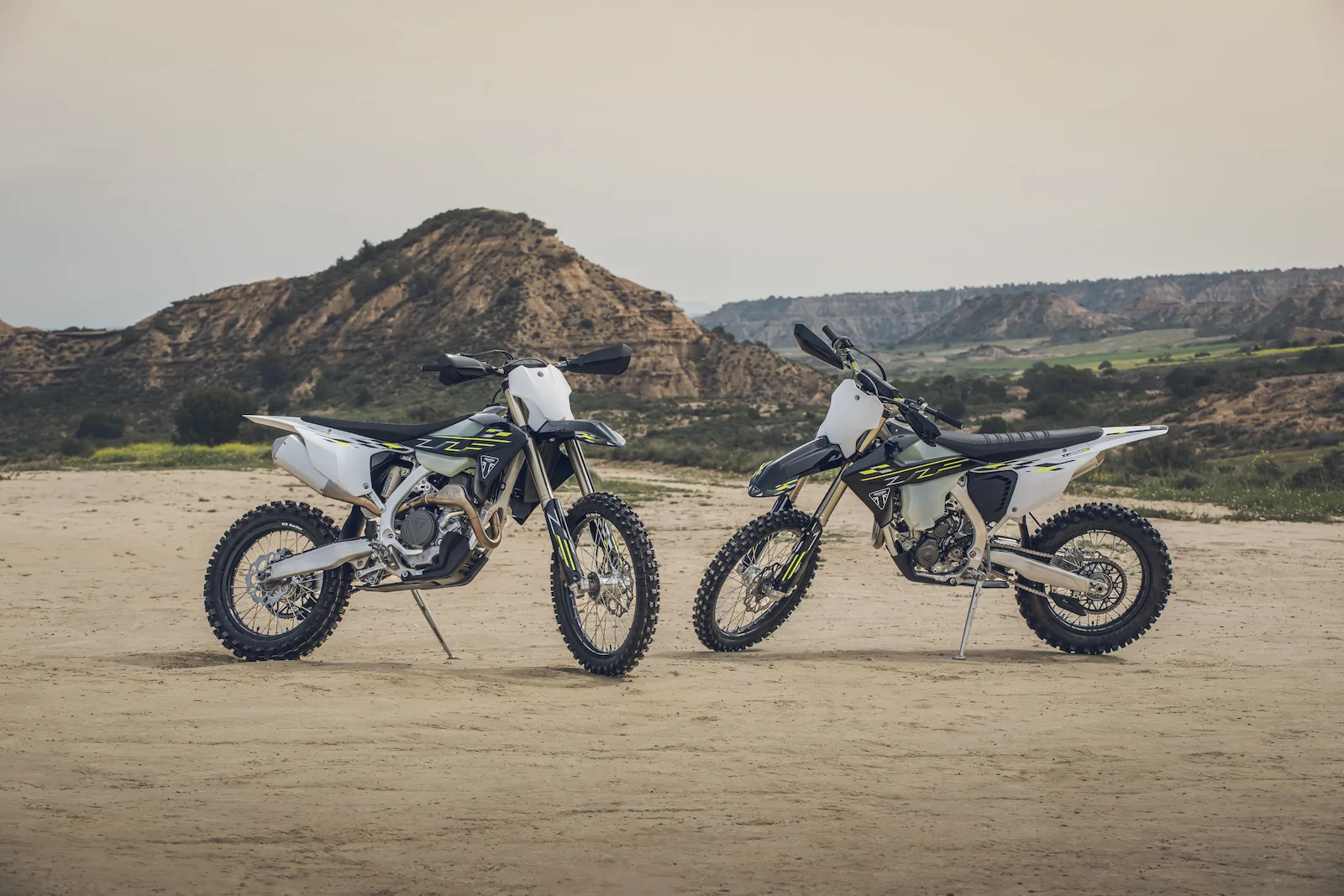
Triumph is moving into cross country racing with two new models, the TF 250-C and the TF 450-C. Both are built from the company's 250 and 450 motocross platforms and reworked for long, mass-start races through woods, fields and hills, the kind of racing the GNCC series runs in the US. Triumph says the bikes were developed with top riders and tested on hard terrain around the world.
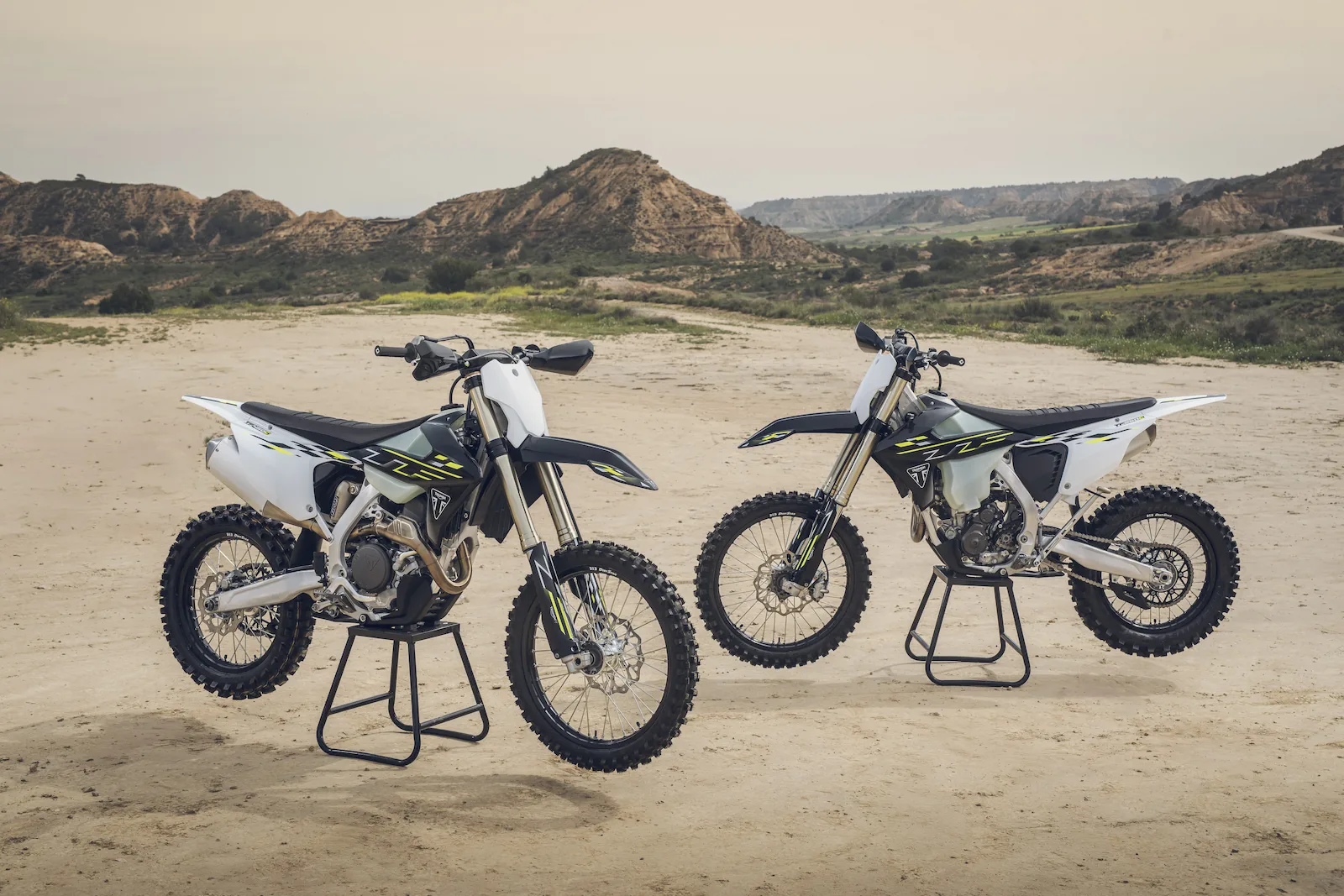
The changes from the motocross bikes center on endurance: cross country engine maps, suspension settings tuned for the discipline, an 8.3 liter translucent fuel tank, an 18-inch rear wheel, Dunlop all-terrain tires, hand guards, a heavy-duty bash guard and a side stand. Sales are limited to the United States, Canada, France and New Zealand, from October 2025. In the US the TF 250-C starts at US$9,695 and the TF 450-C at US$10,695, and orders are open now at Triumph's motocross and enduro centers.
TF 250-C
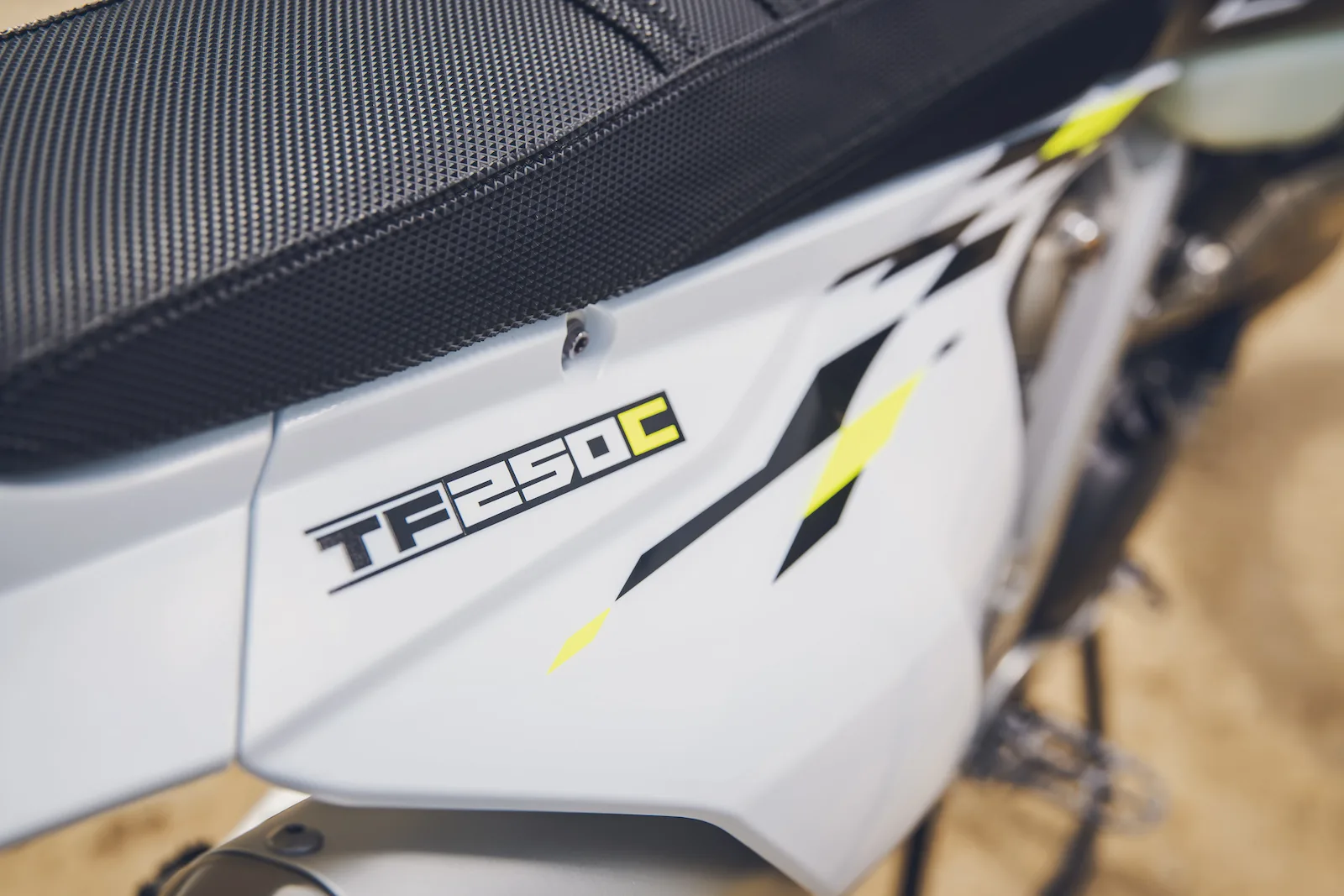
The smaller bike uses a 249.95cc single-cylinder four-stroke with double overhead cams, a 78mm bore, 52.3mm stroke and 14.4 compression. Triumph rates it at 47.3 PS at 13,250rpm. Torque is 28.3 Nm, but the release gives two different peaks for it: 9,250 rpm in the text and 9,000rpm in the spec table.
It runs a wet multi-plate clutch with a Belleville spring, a 5-speed gearbox and 13/48 final drive gearing. The rear wheel is an 18" x 1.85" rim with a 110/100 - 18 tire, and the front is 21" x 1.6" with an 80/100 - 21. Triumph lists it at 109.9kg wet.
Triumph pitches the 250 as the nimble option, for riders who like tight, technical sections and quick changes of direction and who are happy keeping a small engine spinning.
TF 450-C
The bigger bike gets the 449.5cc single with a single overhead cam, 95mm bore, 63.4mm stroke and 13.1:1 compression. It peaks at 62.4 PS at 9,500 rpm, and its 49.9 Nm of torque arrives at 7,000 rpm. Triumph stresses a wider spread of torque for long climbs and fast straights.
Its clutch is listed as a steel wet multi-plate unit with a Belleville spring and hydraulic actuation. The gearbox is also a 5-speed with 13/48 final drive. The rear rim is wider than the 250's at 18" x 2.15", on the same 110/100 - 18 tire size, with the same 21" x 1.6" front. Wet weight is 112.2kg.
This is the one for riders who want more pull and less shifting over long, rough stages and who will use the extra torque on hills.
Engines and drivetrain (both models)
The two engines share their internal approach: forged aluminum pistons, DelWest titanium valves, diamond-like carbon (DLC) coatings to reduce friction, light magnesium covers and cooling systems designed to hold temperatures steady during long races. Fuel goes through a Dell'Orto 44mm throttle body run by a Triumph ECU developed with Athena. A washable TwinAir air filter keeps cleaning simple between races.
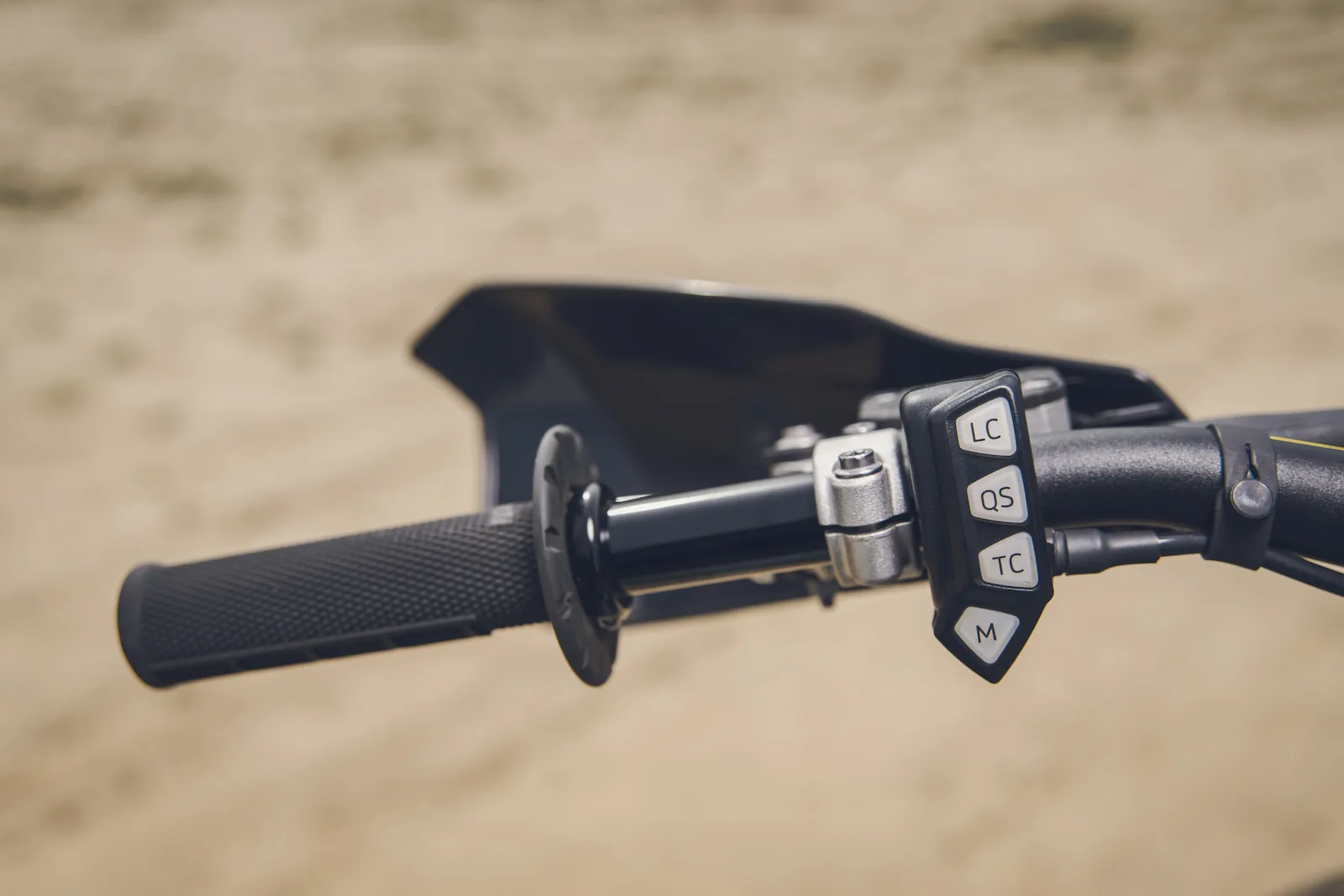
Both use an Exedy racing clutch with Brembo hydraulics, a five-speed gearbox and a quickshifter for clutchless upshifts from second to fifth. Triumph also says the narrow engine leaves more room for your boot at the brake pedal. For cross country, Triumph has developed three engine maps that you load through the accessory MX Tune Pro module; two maps are standard on the bike.
Chassis and suspension (both models)
Both bikes use Triumph's aluminum spine frame with twin cradles and an aluminum swingarm, adapted for GNCC-style racing and long endurance events. Seat height is 960mm, the wheelbase 1492mm, rake 27.4° and trail 116mm on both.
Suspension is KYB's AOS coil system, which keeps air and oil separated so damping stays consistent as the race goes on. The 48mm fork has compression and rebound adjustment and 310mm of travel, and the shock has high- and low-speed compression plus rebound adjustment and 305mm of travel. Triumph has given both a cross country setup and says the chassis can be tuned to suit different riding styles.
Brakes are Brembo with Galfer discs: a twin-piston caliper on a 260mm disc in front, a single-piston caliper on a 220mm disc at the rear. Wheels are black anodized D.I.D DirtStar 7000-series aluminum rims on Triumph's own lightweight hubs, fitted with Dunlop Geomax AT82 all-terrain tires.
Electronics and equipment (both models)
Rider aids are the same on both: engine management you can set through an app, two engine maps, launch assist, traction control and the quickshifter. Instruments are an hour meter and multi-function switch cubes on the bar.
The cockpit has ProTaper Evo MX Alloy handlebars and ODI lock-on grips. Cross country extras fitted as standard include the 8.3 liter translucent tank, so you can see your fuel level at a glance, enduro hand guards, a heavy-duty bash guard and a side stand.
Markets, dealers and prices
Triumph sees cross country as a growth area for its off-road program. It points to the GNCC series in the US, and to active cross country scenes in Canada, France and New Zealand, as the reason for picking these markets.
Support comes through more than 280 specialist Triumph motocross and enduro centers in Europe, the US, Canada and New Zealand, which handle sales, service, parts and race support. A 24/7 online parts and accessories system works on phones, so you can order at the track and choose express delivery or click-and-collect. Off-road riding gear is offered through a partnership with Alpinestars.
Prices: TF 250-C from US$9,695, TF 450-C from US$10,695. The release gives no prices for Canada, France or New Zealand, and no price for the MX Tune Pro module.