The full story
What it means for you
- Planning a custom of your own? The entries show that every current Scrambler, from the 400 XC to the 1200 XE, works as a base, and that a strong era-based idea plus careful finishing is what impressed both voters and judges.
- The release prints no specifications, prices or availability for the custom bikes themselves, and does not say whether any of them will be sold or copied in numbers.
- If seat height matters to you, the Scrambler 1200 X sits at 820mm and drops to 795mm with Triumph's accessory low seat.
- For real dirt, the 1200 XE's 21-inch front wheel is the off-road pick among the twins; the 400 X and 400 XC are the lighter, simpler single-cylinder options. Start with our Scrambler 400 X Bike Dossier.
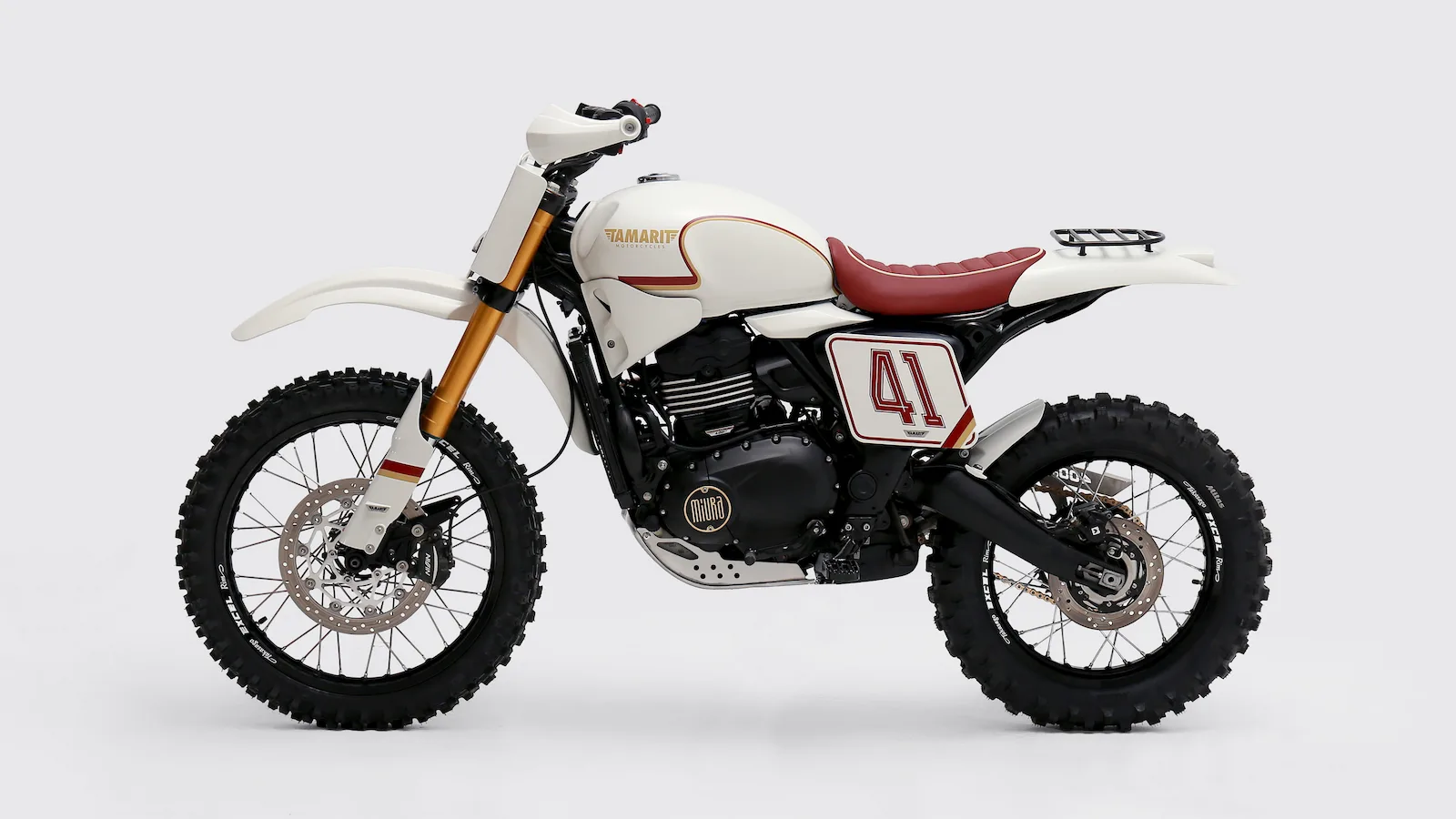
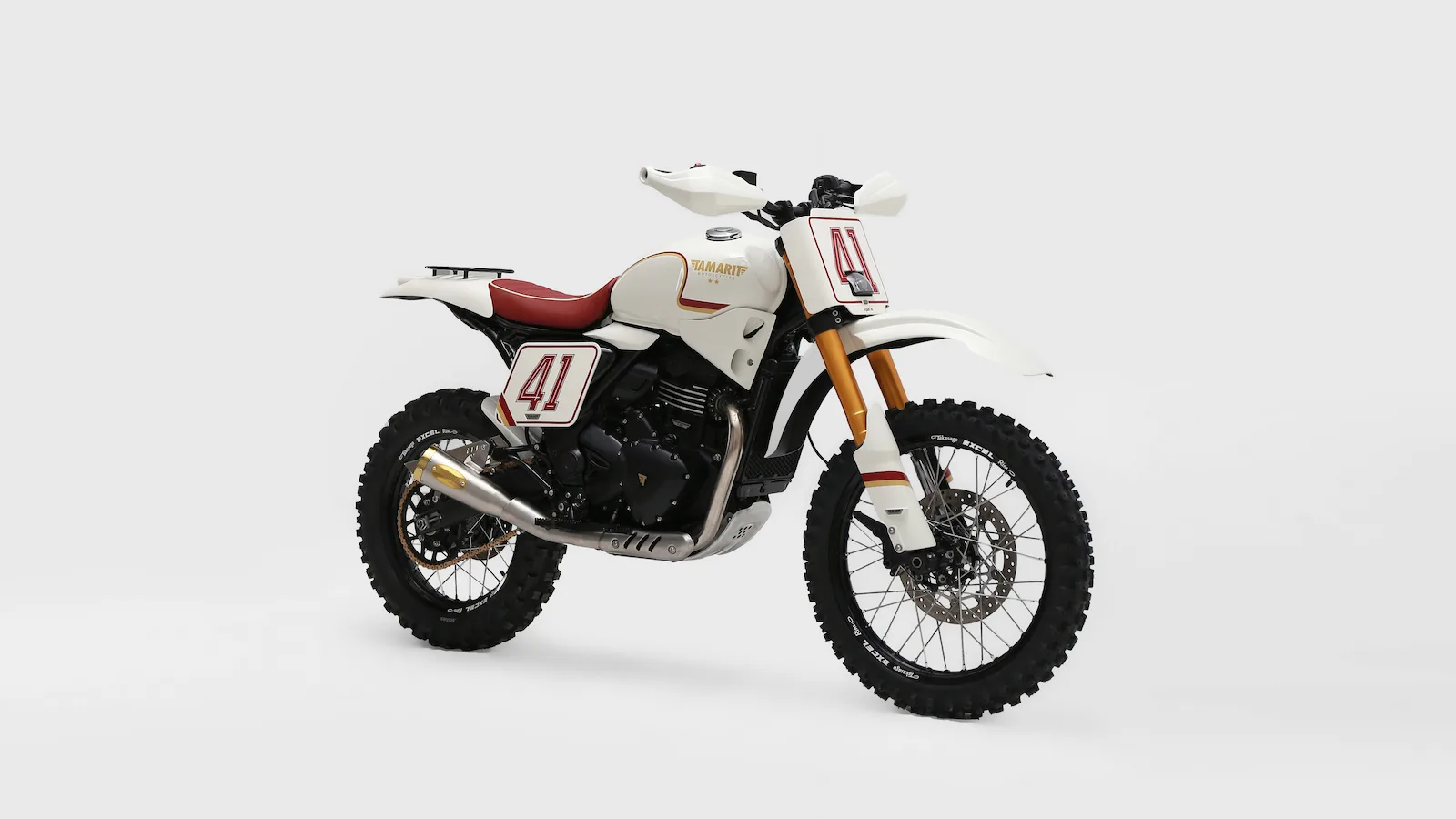
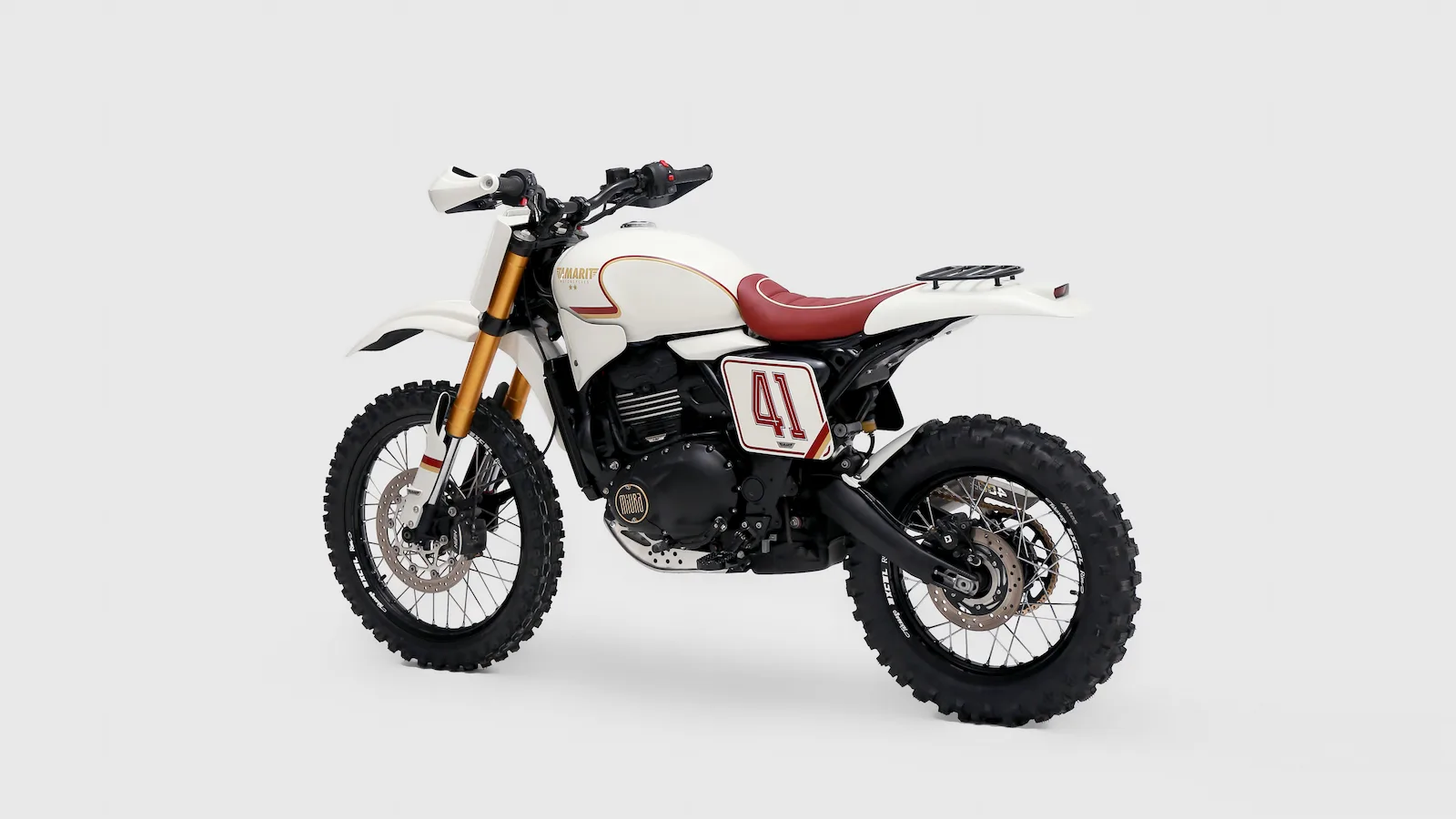
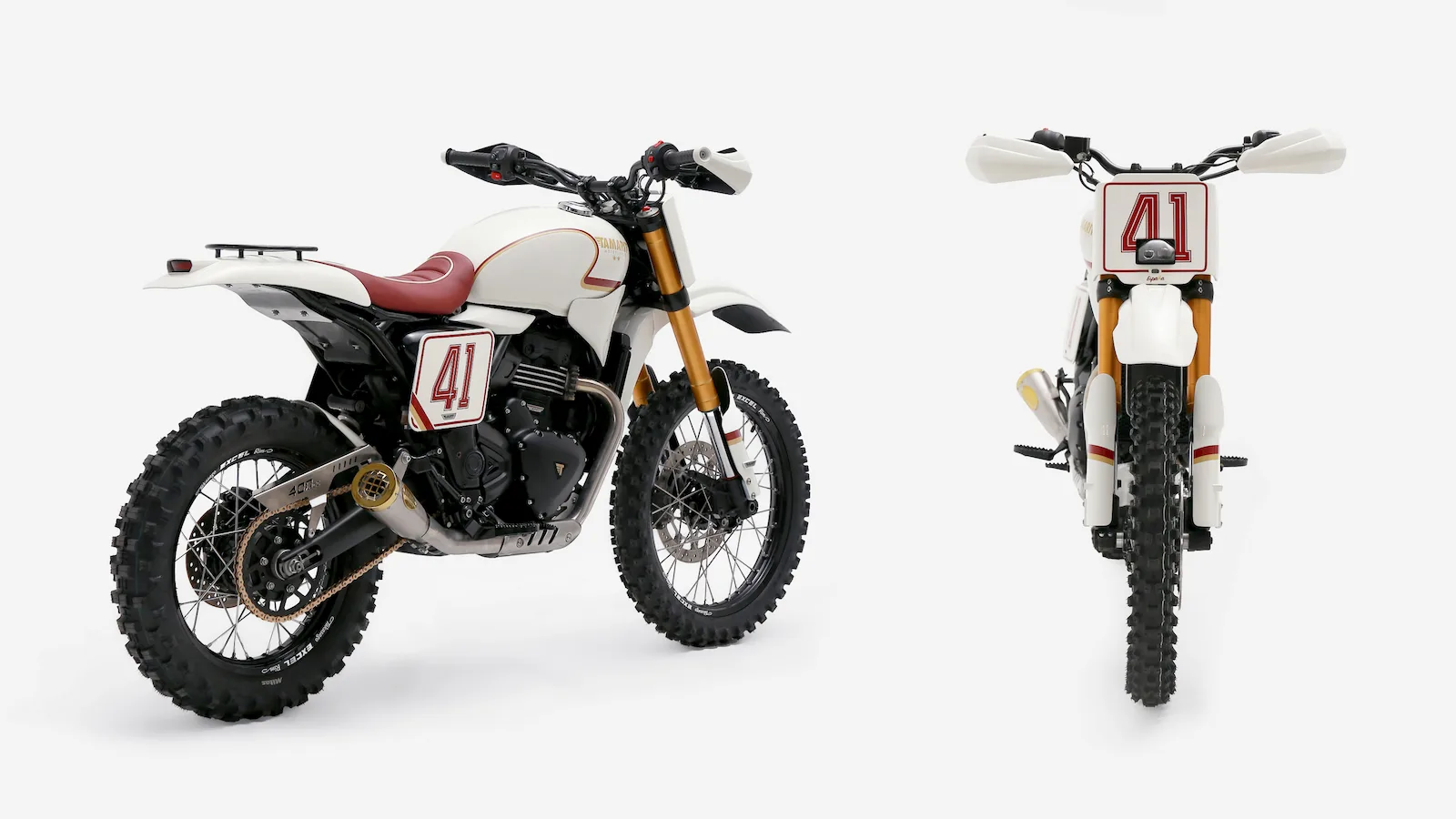
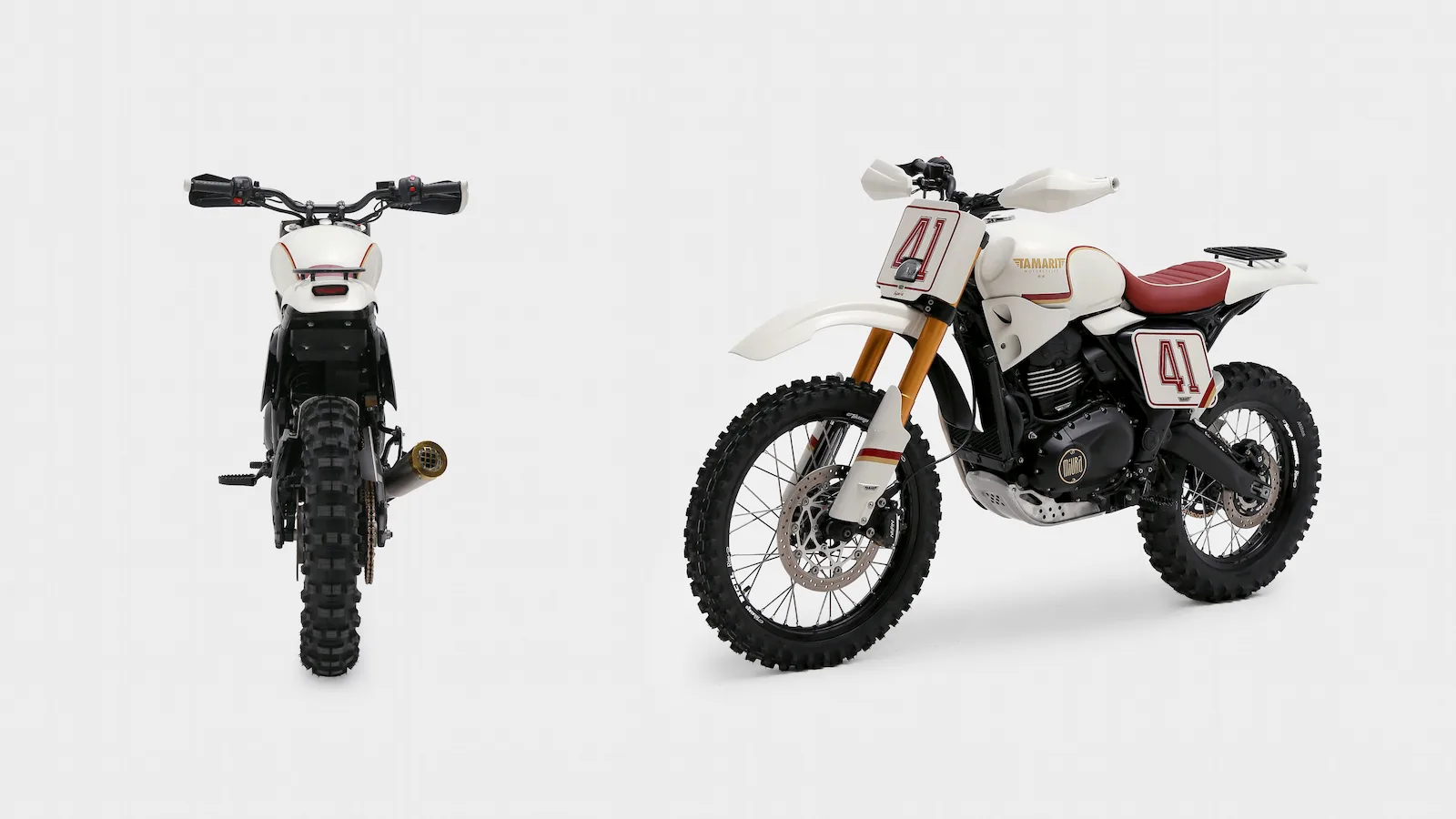
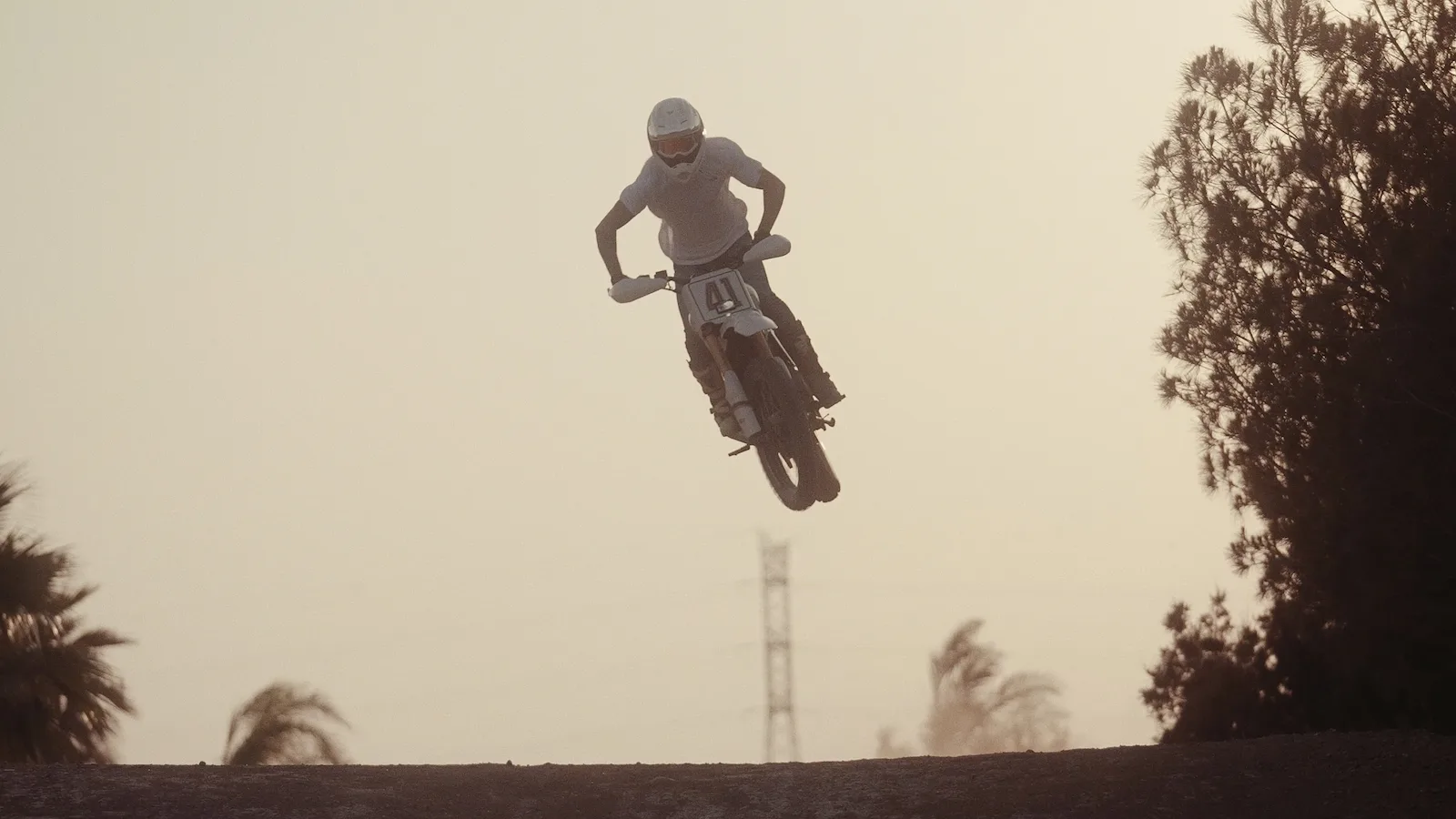
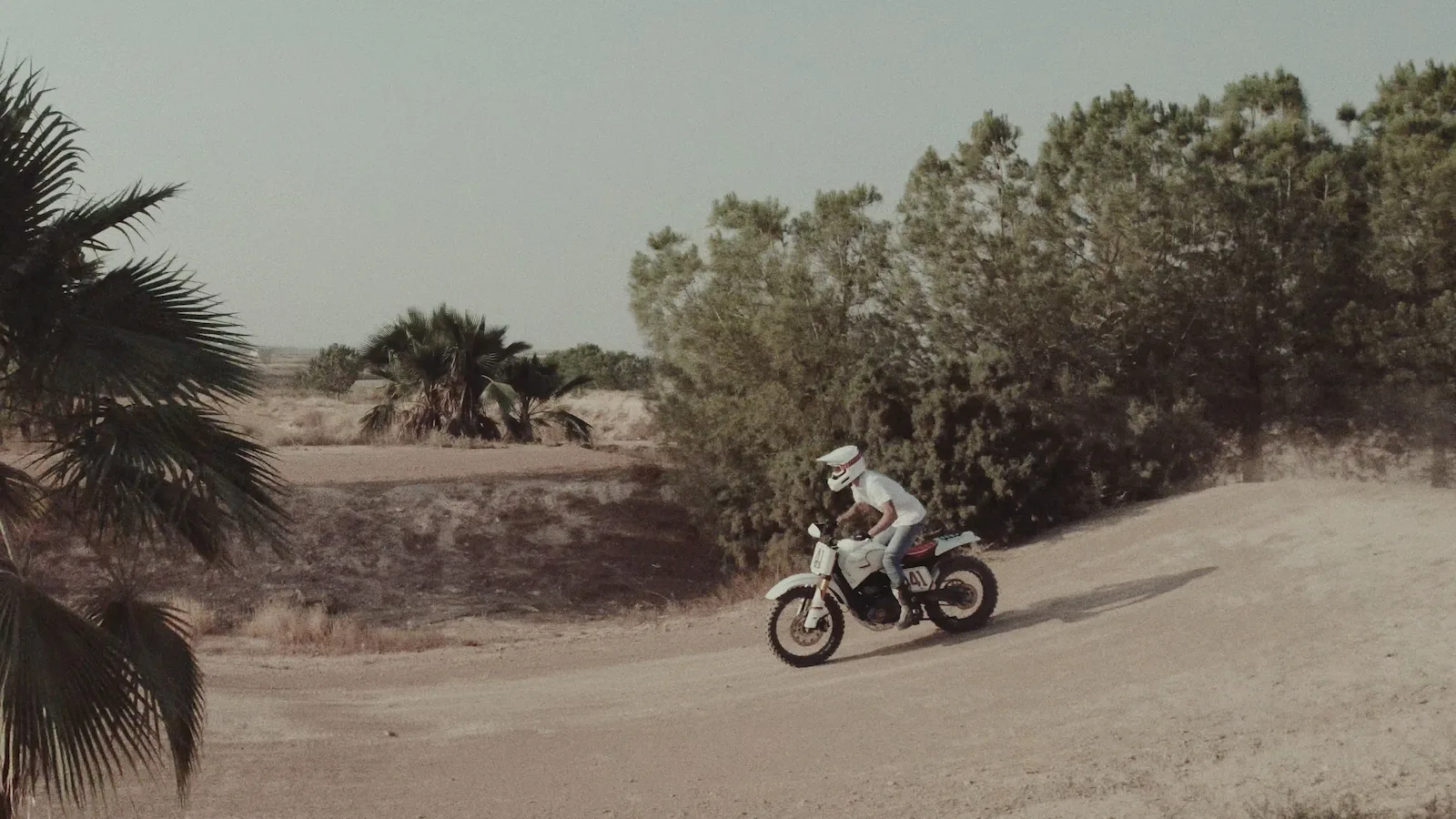
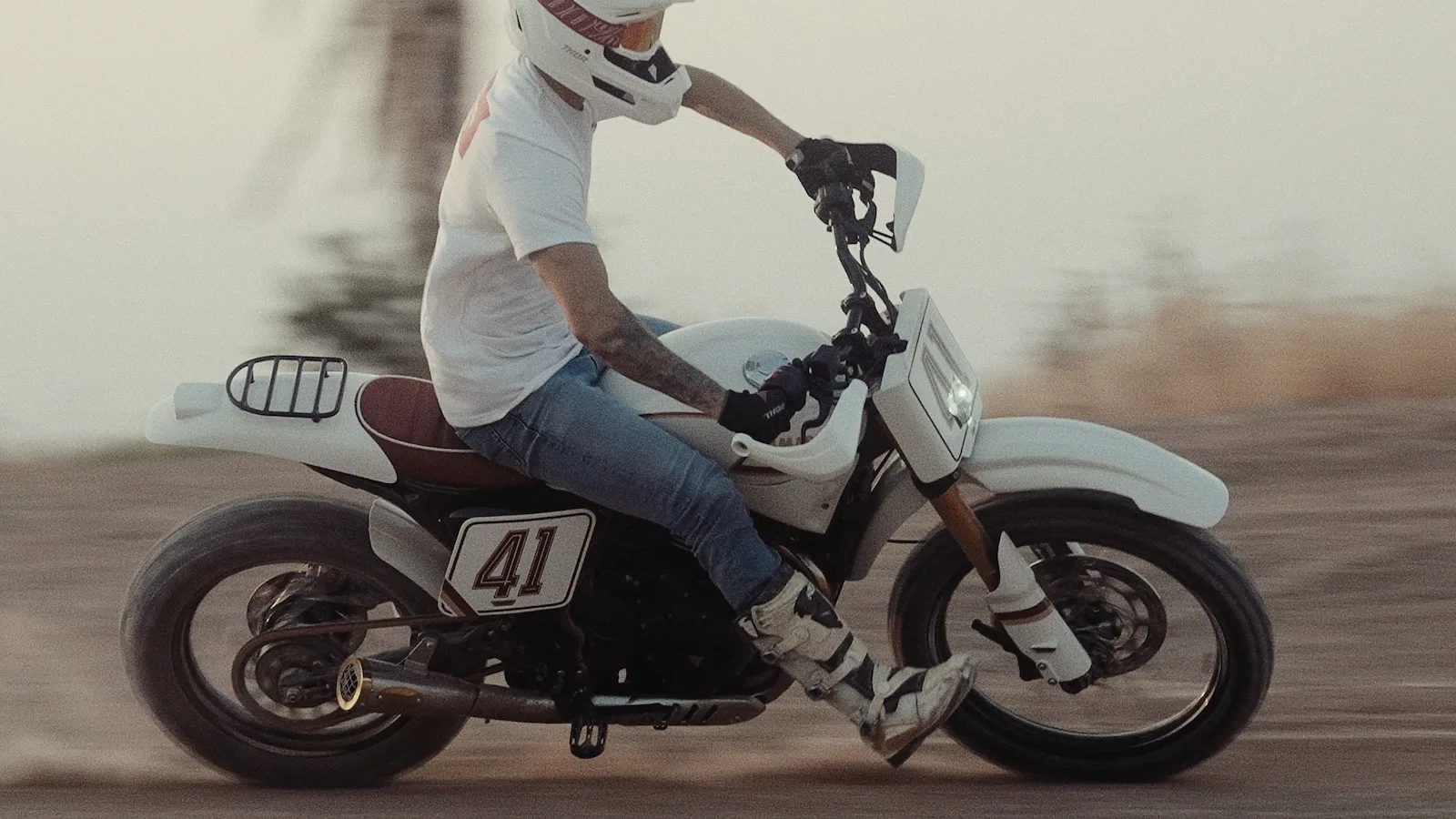
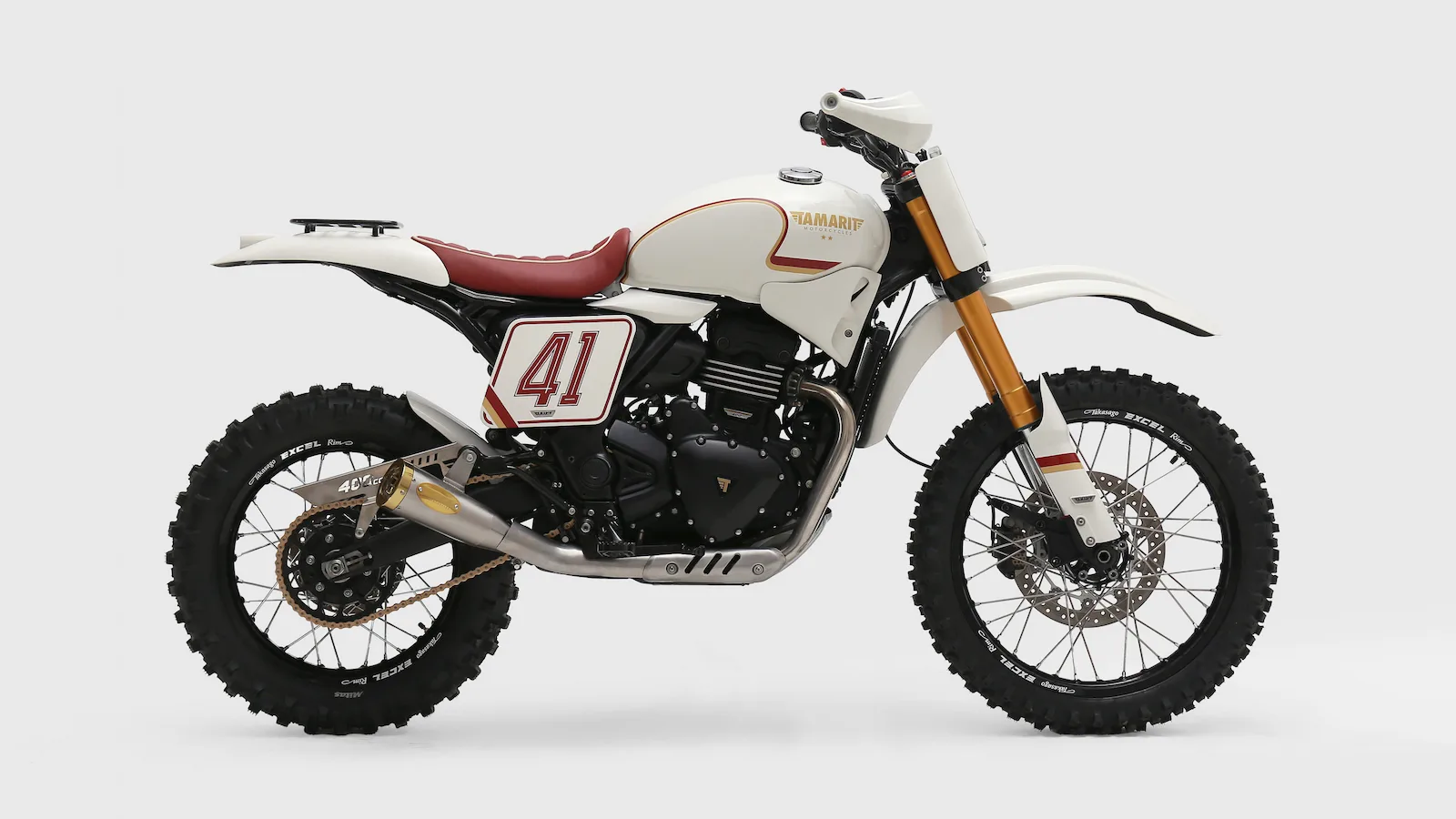
Triumph has picked the winner of Triumph Originals 2026, its worldwide custom-bike contest, and the trophy goes to Spain. Tamarit Motorcycles, the Alicante shop led by Quique Berna, built a Scrambler 400 XC that collected 33% of the public vote and also came out on top with the judging panel once the scores were combined.
If you like custom Triumphs, or you own a Scrambler and are looking for ideas for your own build, this is the year's showcase: Triumph teams from seven countries, each paired with a builder close to home, all working to the same brief. Below we explain the brief, the winning bike, the six other entries, the judges, and where each base model sits in the current Scrambler range.
The brief and how it was judged
The national teams came from Spain, Italy, France, the UK, the US, Canada and China. Each one chose a chapter from the Scrambler's long history and built a one-off bike meant to capture how that period looked and felt. Triumph calls this the Time Capsule brief.
Winning took two kinds of approval. Riders around the globe voted online in their thousands, and those votes were blended with marks from an international panel whose members come from design, custom building, journalism and heritage. The panel scored every bike on originality, on how well it was engineered and put together, and on how closely it answered the brief.
The winner: Tamarit Motorcycles and its Scrambler 400 XC
Tamarit began in 2010 as two friends who turned a hobby into a job. Quique Berna and Matías Canales now run it from Alicante, and the shop says it has finished over 210 one-off bikes for owners on several continents, with a particular focus on reworking Triumph's Bonneville engines. Its approach is Triumph-only: keep the classic British look, add a relaxed Mediterranean feel, combine hand craftsmanship with its own accessory system, and improve what the factory built instead of chasing fashion.
Berna knows the contest from the other side of the table. He judged last year's edition, and the team says that experience showed them how much a flawless finish and a clear story count, which pushed them to enter a bike of their own.
The judges' remarks explain why it won. Eric Hendricx said the fabrication backs up the visual idea, and that the bike comes across as lighter and sharper than the stock platform while still reading as a Triumph despite how much was changed. Chase McQueen called it more race bike than custom and liked how the white bodywork, red number and Spanish touches work together with an old desert-racer attitude. Satoshi praised how design and function stayed in balance from first concept to finished machine.
Steve Sargent, Triumph's Chief Product Officer, who led the panel, put it simply: "It is a worthy winner of Triumph Originals 2026." Berna, for his part, says Tamarit has made time capsules from the start, bikes meant to feel untouched years later, and he compares the Scrambler to a white T-shirt that will still look right in twenty years.
The other six builds
Two teams started from the Scrambler 1200 XE. In Canada, Pascal Lauzon's crew at Motos Illimitées drew on a lifetime of motocross and off-road riding and turned the big Scrambler into a large-capacity supermoto instead of an adventure machine. In France, Sebastien Guillemot's Triumph France team partnered with FCR Original on 'Red Dust', a build that mixes the dust, action and toughness the Scrambler name suggests with 1960s style.
Two more used the Scrambler 900. China's BVL Garage, led by JOMO, built the BVL-VMX-900, taking the 1981 TR7T Tiger Trail as its starting point and using vintage-motocross styling to recall the optimism and sense of freedom of the 1980s. In the UK, Charlie Stockwell's Stockwell Design, which works with the LIND Group and Triumph London and has been building customs for three decades, describes its method in three words: refined, functional and purposeful.
Italy shared the winner's base bike. Giuseppe Carucci and South Garage Milano built Dune 400 on the Scrambler 400 XC, mixing the feel of the first Scramblers with the look of desert racers from the 1980s and 1990s.
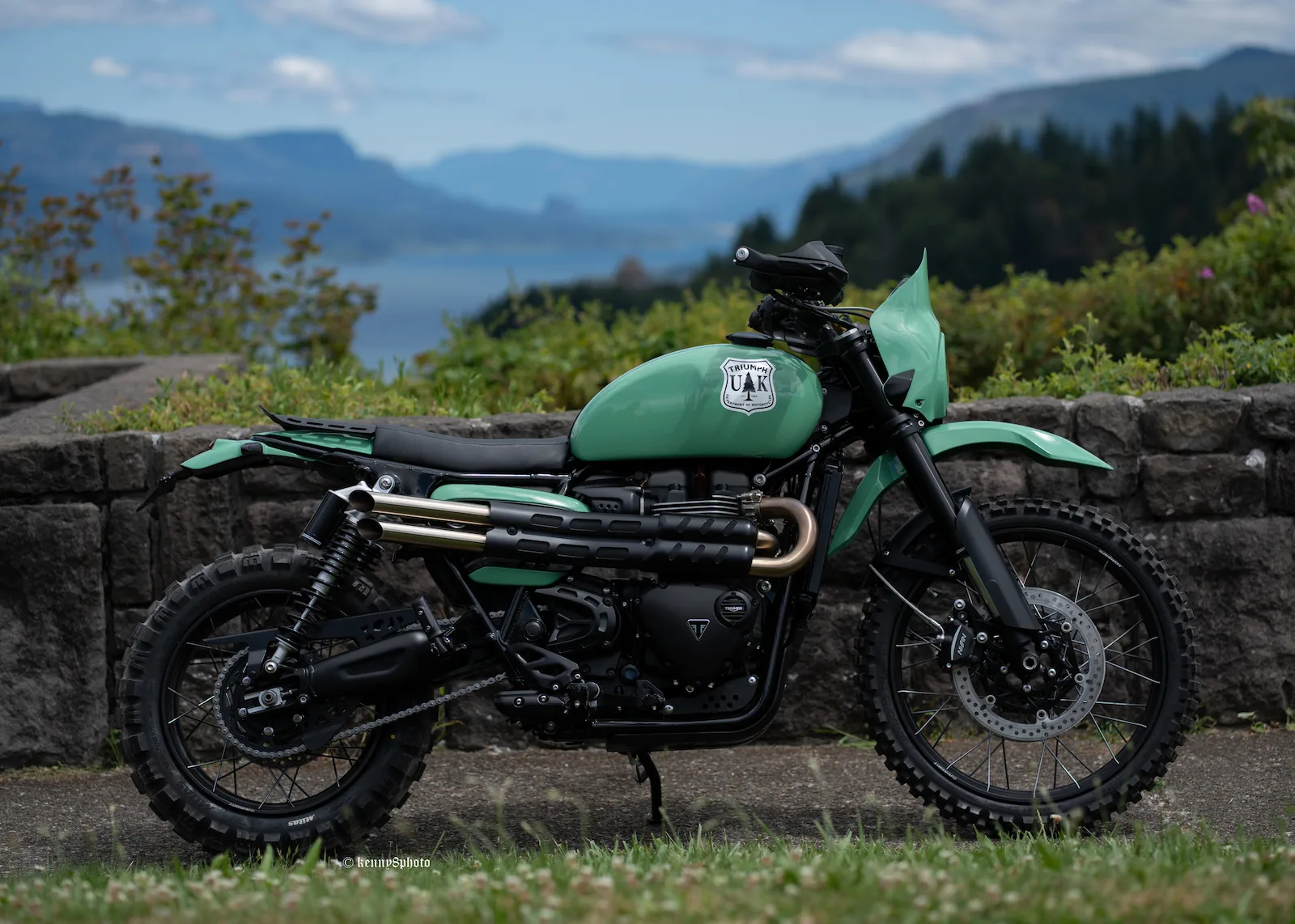
The US entry came from Liz Rubin and Triumph Columbia River in Portland, Oregon. Called A Tribute to PNW Adventure and based on the Scrambler 1200 X, it is meant to be ridden every day and takes its cues from Pacific Northwest scenery, roads and outdoor life. The full list of teams, workshops and base models is in the entries table.
The judges
Steve Sargent headed the panel and says his focus was the technical creativity of each build. Alongside him sat Chase McQueen, Steve McQueen's grandson and Chad McQueen's son, who with his sister Madison looks after his grandfather's legacy through partnerships and events such as Steve McQueen's Festival of Speed and support for Boys Republic, the school and treatment community Steve attended as a youth.
Eric Hendricx is a bestselling author and journalist whose work has run in Revolver, Robb Report, Rolling Stone and Men's Journal; his latest book is Motorcycle Life. Satoshi co-founded Fonk Motorcycles in Kobe, Japan, where he is lead mechanic, and is known for his deep knowledge of vintage Triumphs. Rolf Henniges founded FUEL magazine in Germany, which covers custom bikes and the people who build them, and has logged over a million kilometres across hundreds of motorcycles.
Triumph Scrambler: built from custom culture
The Scrambler suits a custom contest because it grew out of customizing in the first place. In the 1960s riders took the fast road bikes of their day and fitted knobby tires, wide bars and high pipes so they could race in the desert and the dirt. Steve McQueen and Bud Ekins won on machines like that at the International Six Days Trials, at Big Bear and in the Baja 1000s.
Triumph brought the Scrambler name back in 2006, and the family now has five variants. Triumph says all of them sit you up with confidence, steer easily and feel tough enough to go anywhere, with the high-level twin exhaust and stripped-back styling as signature details.
Each base bike in the contest is a current model. The Scrambler 400 X is the way in: a responsive single-cylinder 400cc engine in a light chassis, with wide bars, an upright stance and long-travel suspension. The Scrambler 400 XC, the winner's base, keeps that platform and specs it for more off-road ability. The Scrambler 900 uses the 900cc Bonneville twin with ride-by-wire on 19-inch front and 17-inch rear wire-spoked wheels. The Scrambler 1200 X has an 820mm seat, or 795mm with the accessory low seat, and the Scrambler 1200 XE adds a 21-inch front wheel for rough ground and a dedicated Scrambler tune of the 1200cc Bonneville engine.
Triumph's wider range and racing
Notes attached to the release place the Scrambler inside the rest of the lineup: the TR-series singles (which now also include the Thruxton 400 and Tracker 400), the Bonneville-engined Modern Classics, the Trident, Daytona, Street Triple and Speed Triple roadsters, the Tiger adventure family, the TF off-road bikes and the electric TXP youth range built with OSET. They also recap Triumph's road-racing, motocross, supercross and enduro programs.