La historia completa
What it means for you
- Bookmark the Triumph Originals hub on Triumph's website to follow the seven builds; the reveals come this summer.
- You will get a vote: the public scores are combined with the expert panel's, and the winner is due in autumn 2026.
- If you are planning your own Scrambler custom, the Time Capsule idea is a useful exercise: choose one era and make every part serve it.
- Shorter riders eyeing a big Scrambler: the 1200 X seat is 820mm, or 795mm with the accessory low seat. For the 400, see our Scrambler 400 X Bike Dossier.
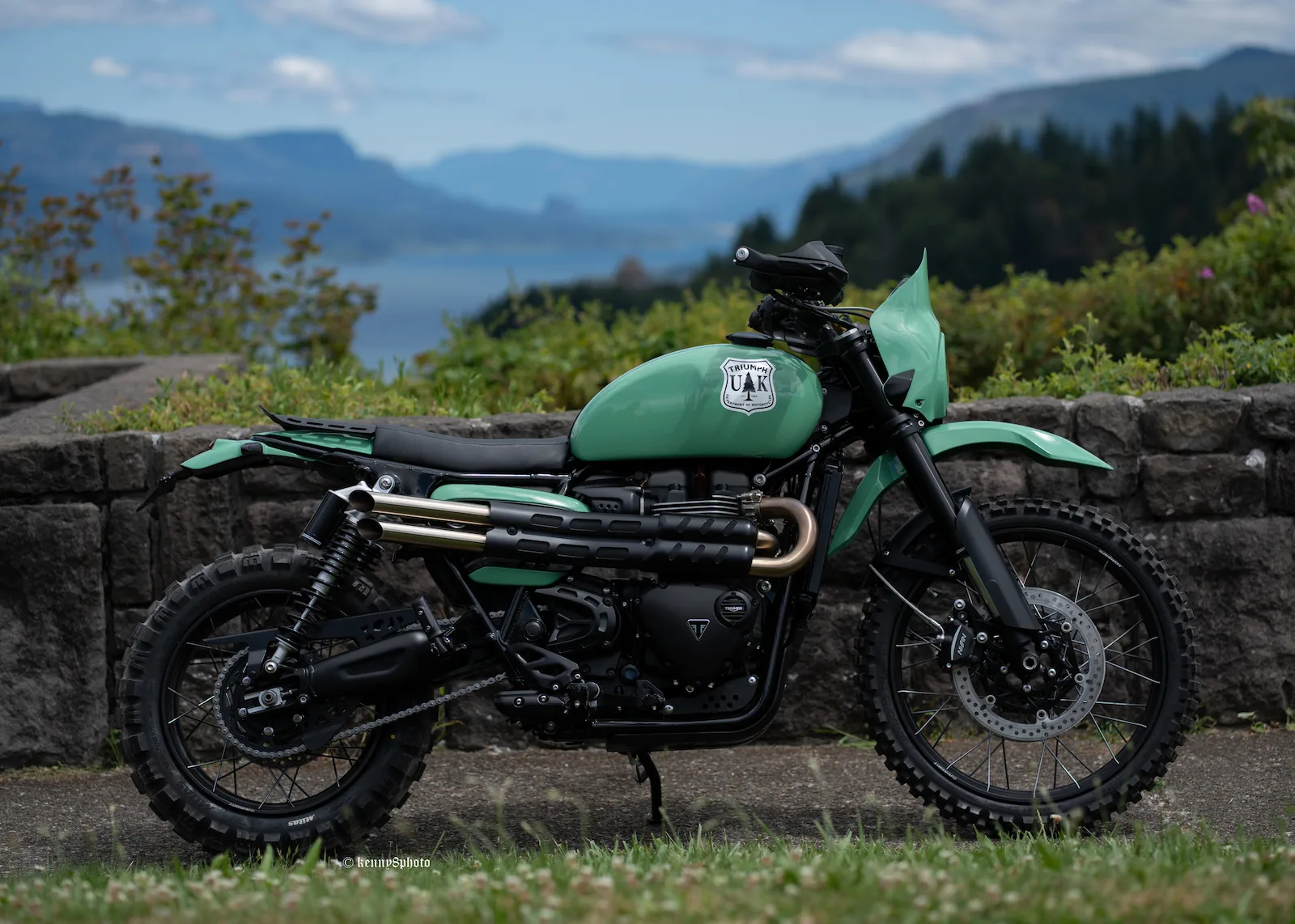
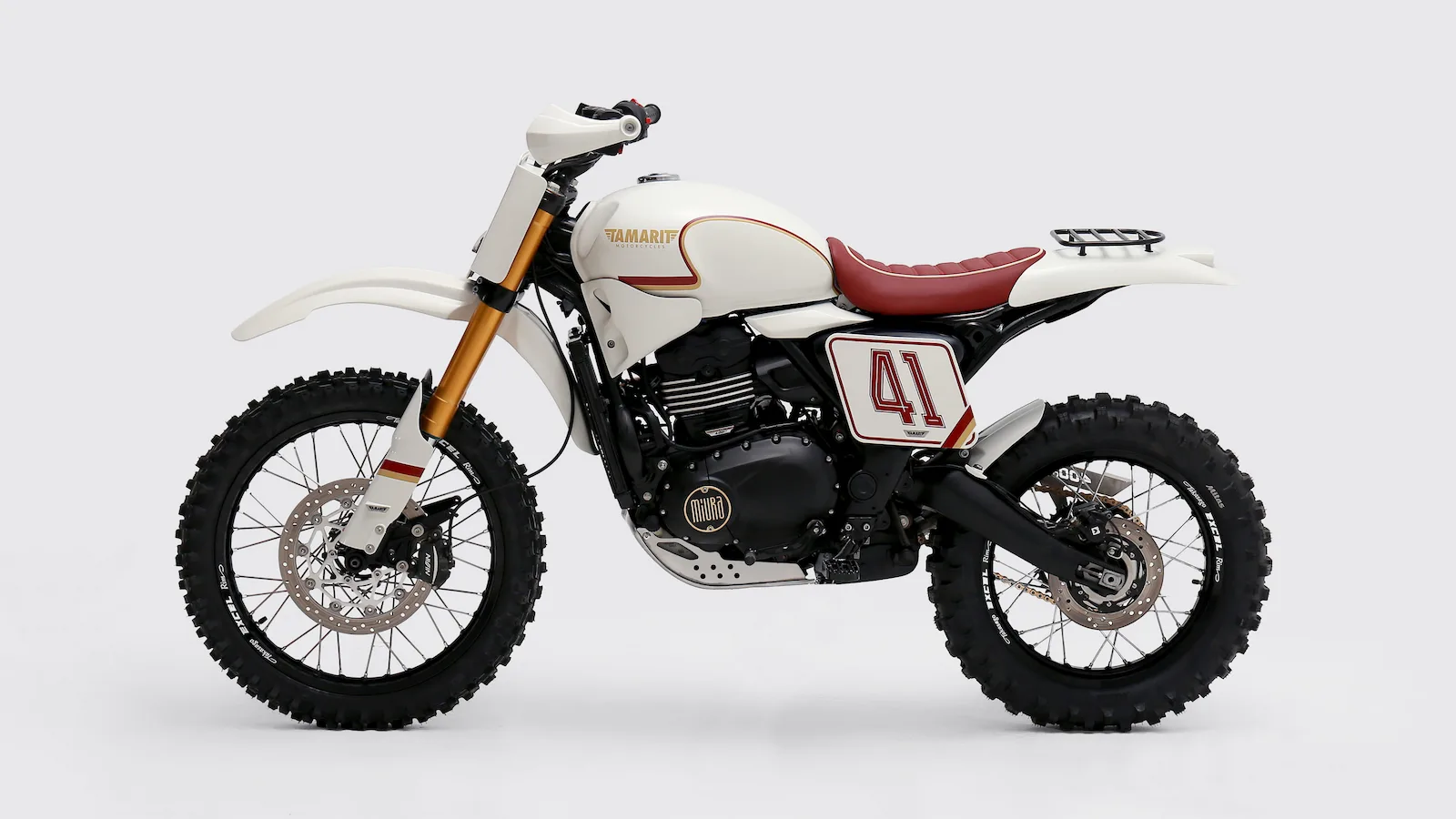
Triumph Originals, the brand's global custom-bike challenge, is running again in 2026. Triumph teams in Spain, Italy, France, the UK, the US, Canada and China have each chosen a custom shop to partner with, and every pairing is building a single, bespoke Scrambler from a blank sheet. If you ride a Scrambler or just like seeing what talented builders do with one, this is the contest to watch over the coming months.
This year's brief is called Time Capsule. Each team picks one important decade or era from the Scrambler's past and reworks it with modern design and craftsmanship, aiming for a bike that carries the look and attitude of that period.
How the winner is chosen
Every country unveils its build this summer. A panel of design and culture experts judges them first, and then all seven go to a public vote. The two sets of scores are added together to decide who takes the title of Triumph Original 2026, and Triumph says the result will be announced in autumn 2026.
Until then, a dedicated hub on Triumph's website carries builder interviews, photos and behind-the-scenes stories from each project, so you can follow the builds as they come together. The release does not give the address of the hub, the names of the workshops or the judges.
Why the Scrambler is a custom at heart
Paul Stroud, Triumph's Chief Commercial Officer, points out that the Scrambler has shaped both popular culture and racing, from the stripped desert sleds of the 1950s to film stunts in the 2020s, with riders ranging from Steve McQueen to James Bond. In his words, "This motorcycle started out as a model made by riders." He adds that narrowing all that history to a single moment will be hard for the teams.
The history backs him up. In the 1960s, riders who wanted to get off the pavement modified their road bikes with knobby tires, wider bars and high exhausts. Those were the first desert sleds, used for both rough terrain and competition: Steve McQueen rode in the desert and at the ISDT, and Bud Ekins raced events such as the Big Bear and the Baja 1000.
Scrambler: built from custom culture
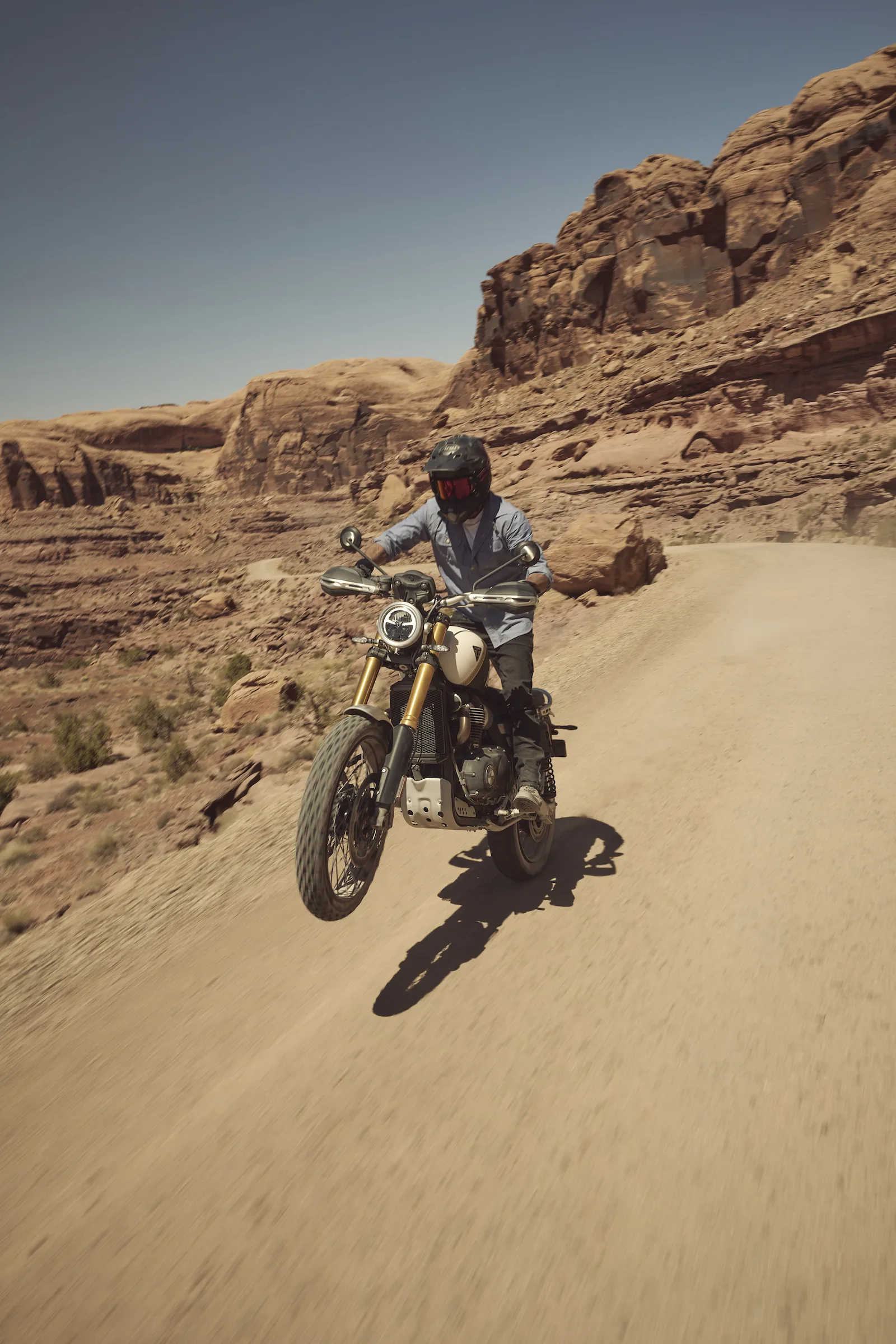
Triumph revived the Scrambler in 2006 and now offers it in five variants. Triumph says all of them sit you up with confidence, steer easily and feel tough enough to go anywhere, with the high-level twin exhaust, stripped-back styling and premium finishes as signature details.
The Scrambler 400 X is the entry point, built around a responsive 400cc single in a light chassis with wide bars and long-travel suspension. The Scrambler 400 XC uses the same platform but is specified for more off-road ability. The Scrambler 900 pairs a 900cc Bonneville twin with ride-by-wire and spoked wheels, 19-inch front and 17-inch rear. The Scrambler 1200 X has an 820mm seat that drops to 795mm with an accessory low seat, and the Scrambler 1200 XE adds a 21-inch front wheel and its own Scrambler tune of the 1200cc Bonneville engine. Any of these could end up as a team's starting point; the release does not say which bikes the teams chose.
About Triumph
Notes for editors at the end of the release outline Triumph's lineup, from the TR-series singles and Bonneville-engined Modern Classics to the Trident, Daytona, Street Triple and Speed Triple roadsters, the Tiger adventure bikes, the TF off-road machines and the electric TXP youth bikes built with OSET. They also summarise Triumph's road-racing, motocross, supercross and enduro programs.