The full story
What it means for you
- If you are buying an M 1000 RR, the third-generation M Motorsport frame is standard from model year 2027; check the model year on any bike you look at.
- The release gives no price, no overall weight and no delivery date for the 2027 bike; ask your BMW dealer.
- BMW does not say whether the new frame fits earlier M 1000 RRs, so do not assume frame-mounted parts or a replacement frame interchange with older bikes until a part number confirms it.
- Because the frame is designed to flex a set amount at lean, re-check your suspension setup on a 2027 bike rather than copying settings from an older one.
- Track riders and racers get the same frame platform BMW uses in factory and customer racing.
What changed for 2027
M 1000 RR
- Updated
Frame
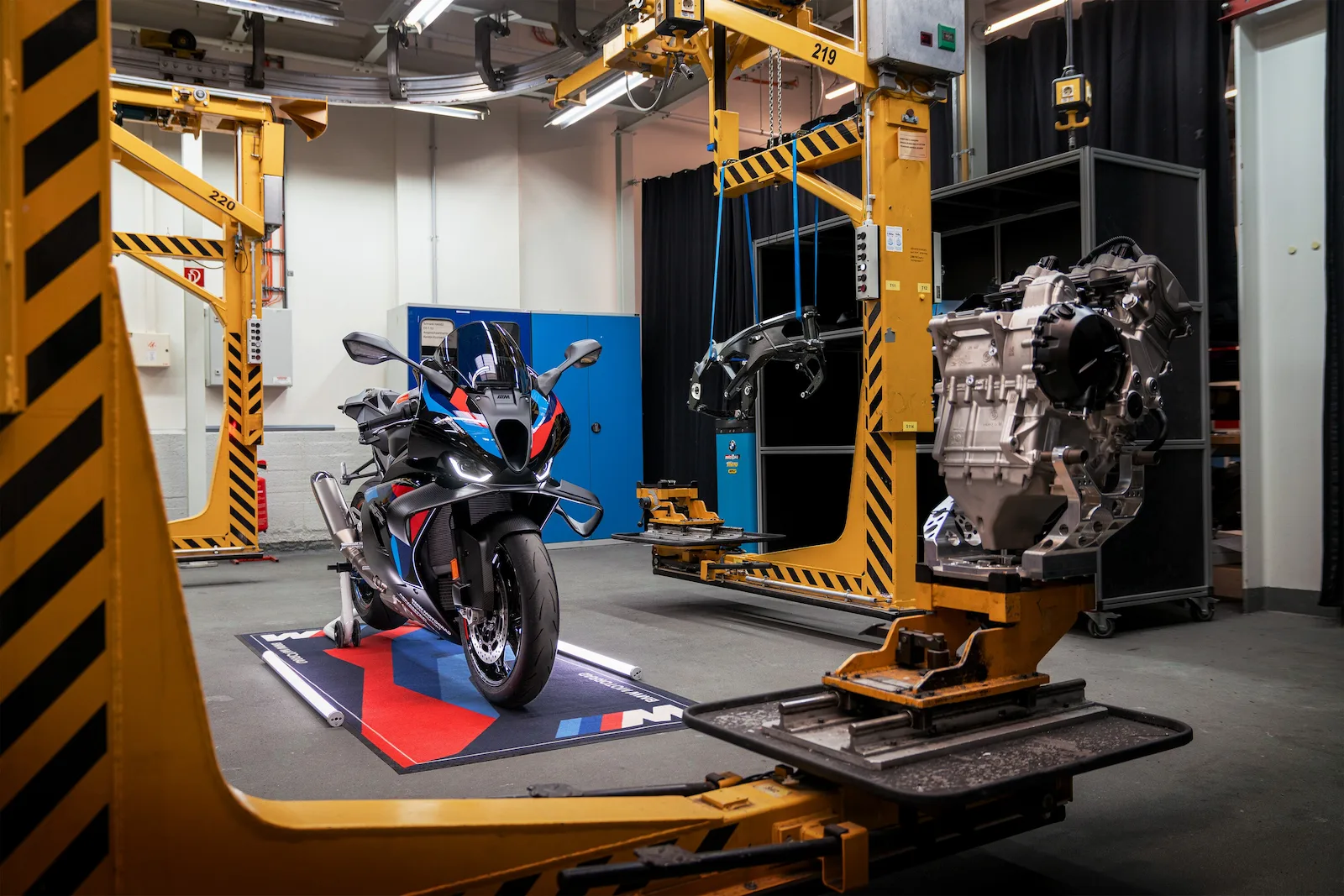
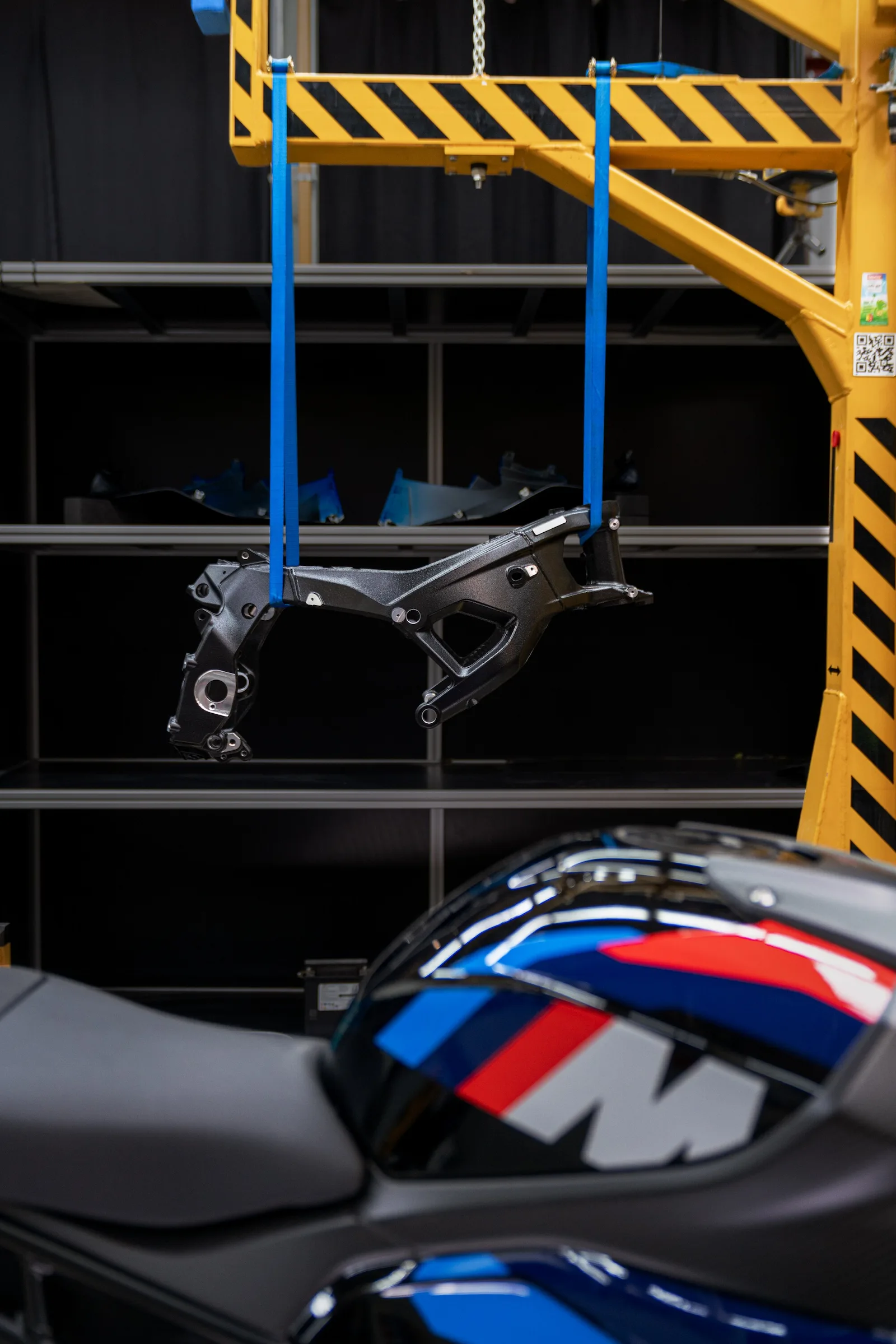
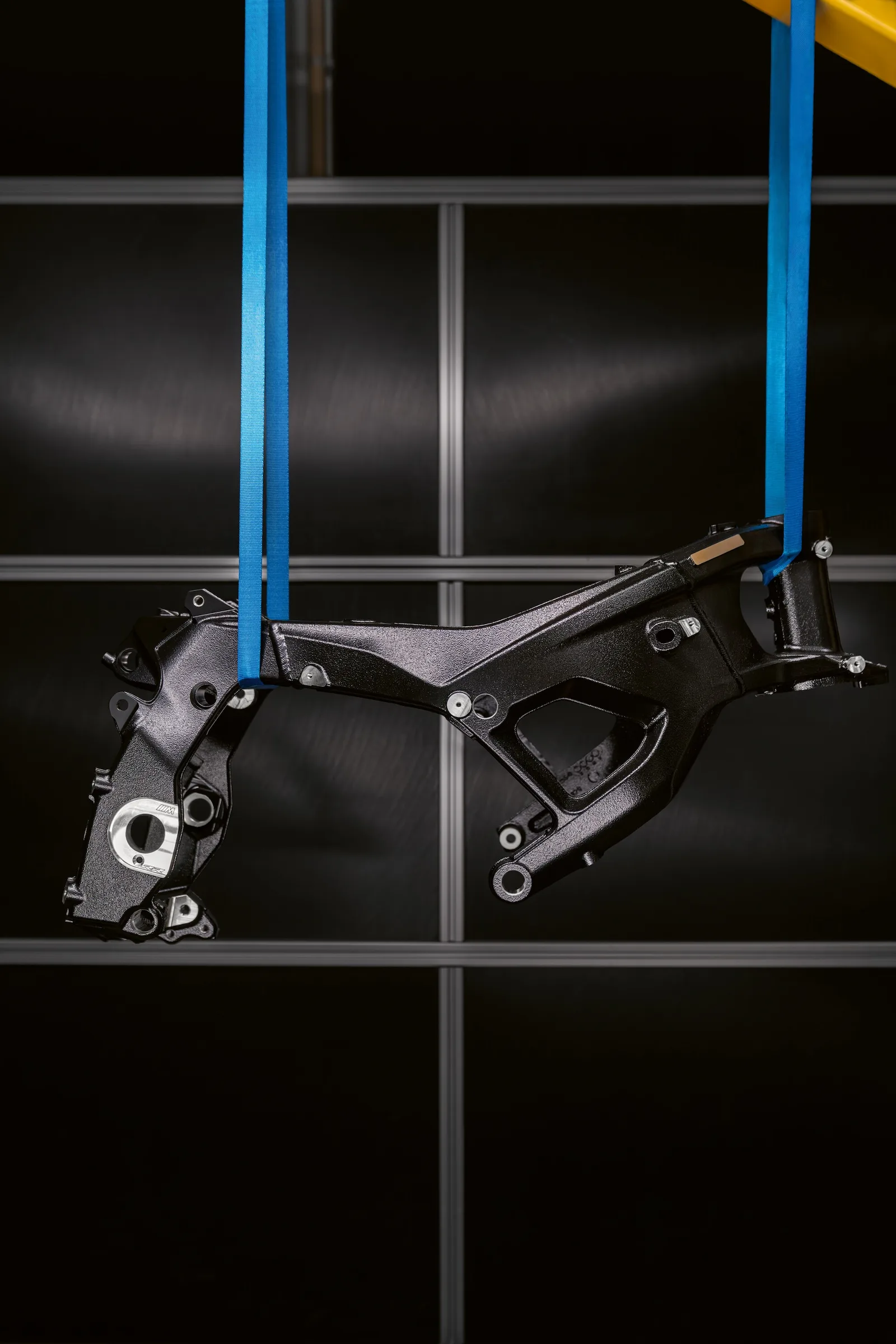
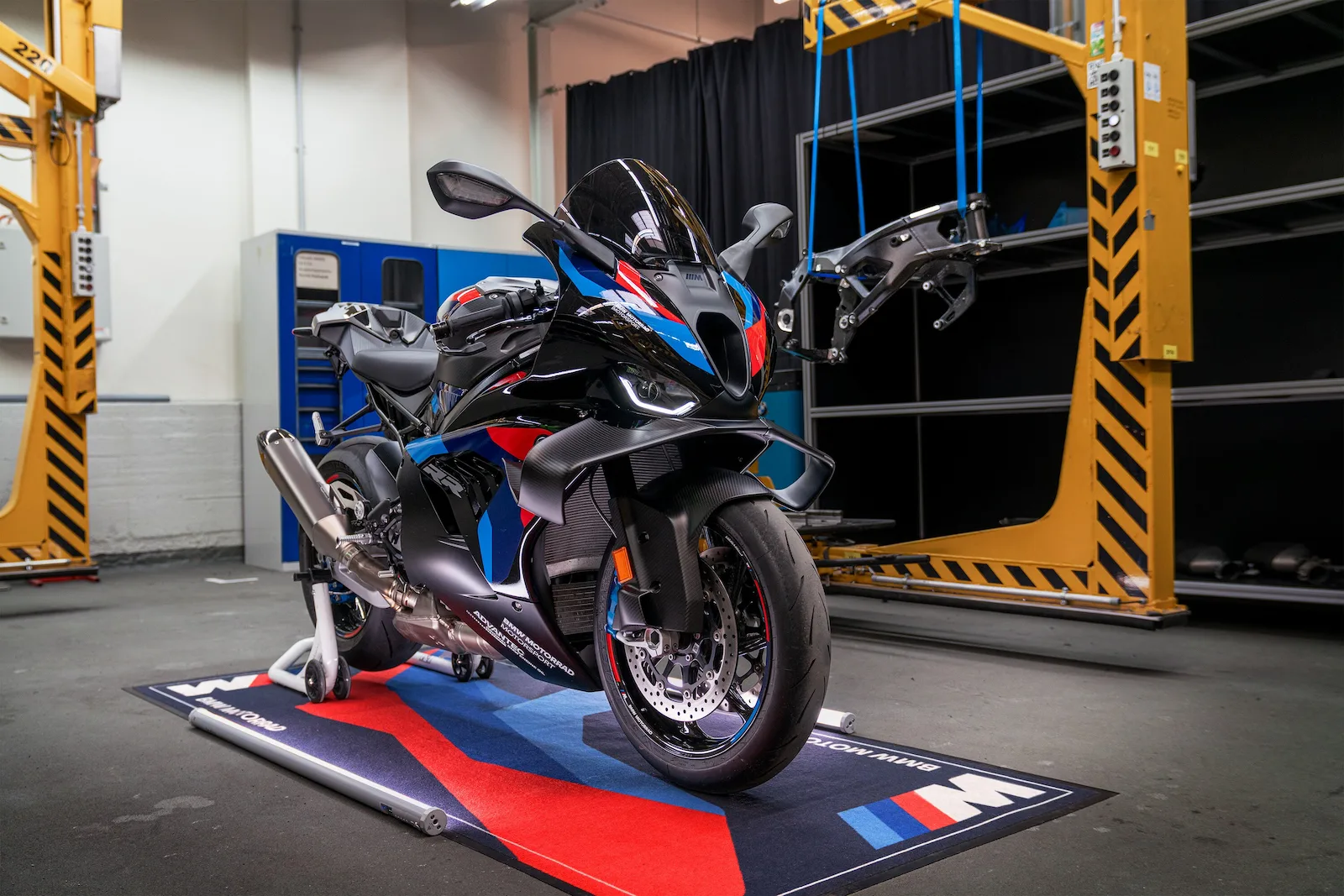
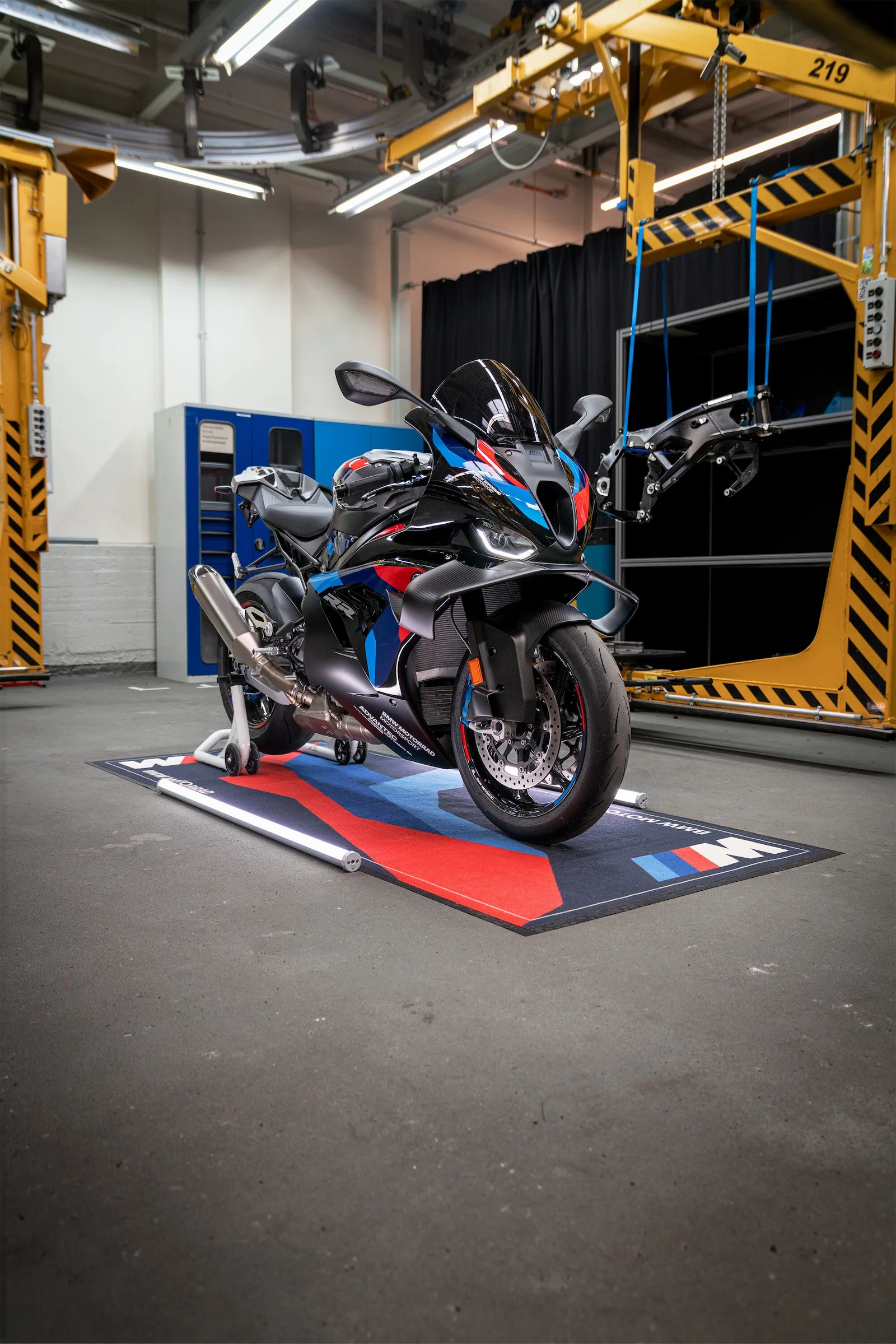
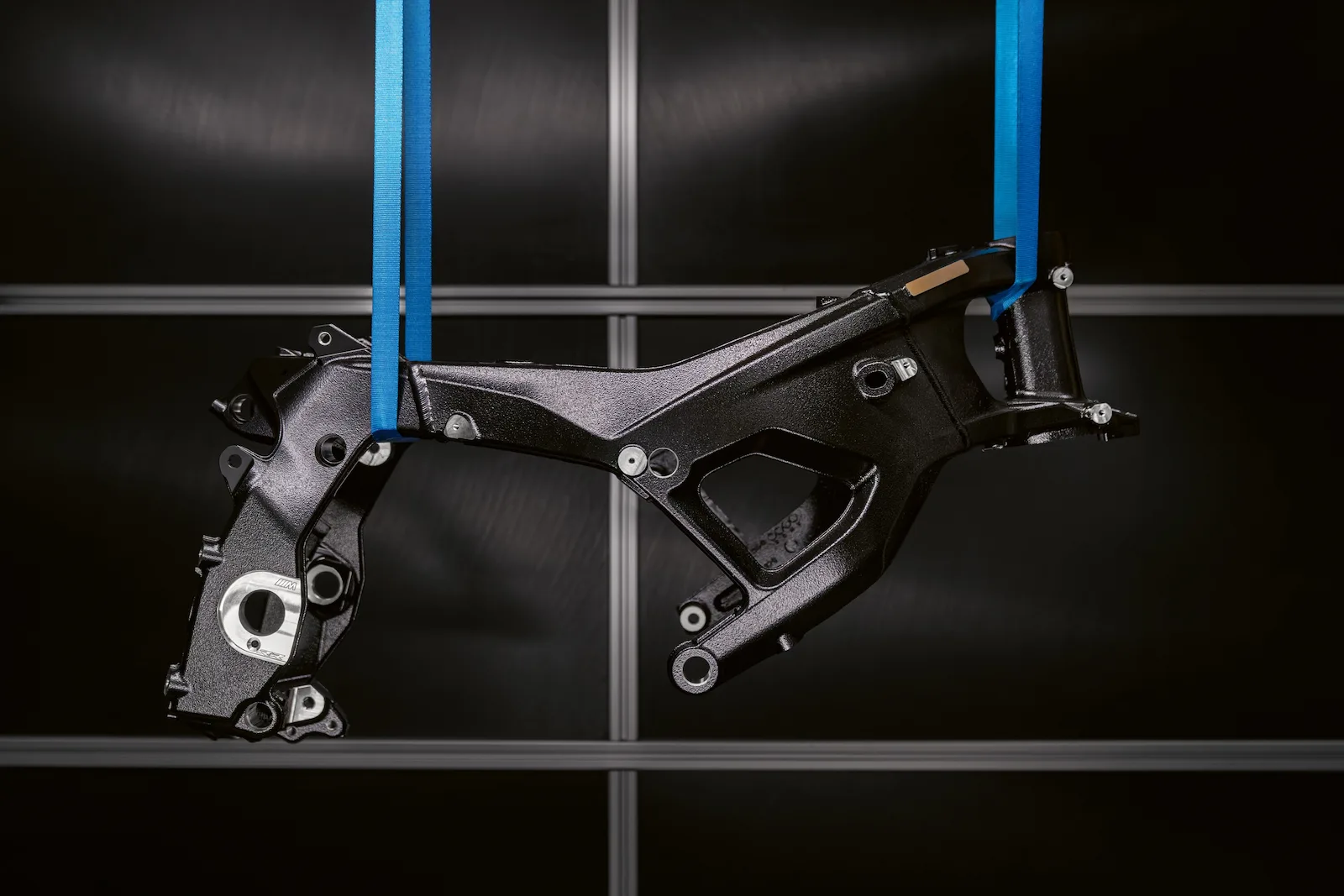
Previous version of the M Motorsport frameThird generation M Motorsport frame, around 1.3 kg lighter, wall thicknesses reduced by up to 30 per cent
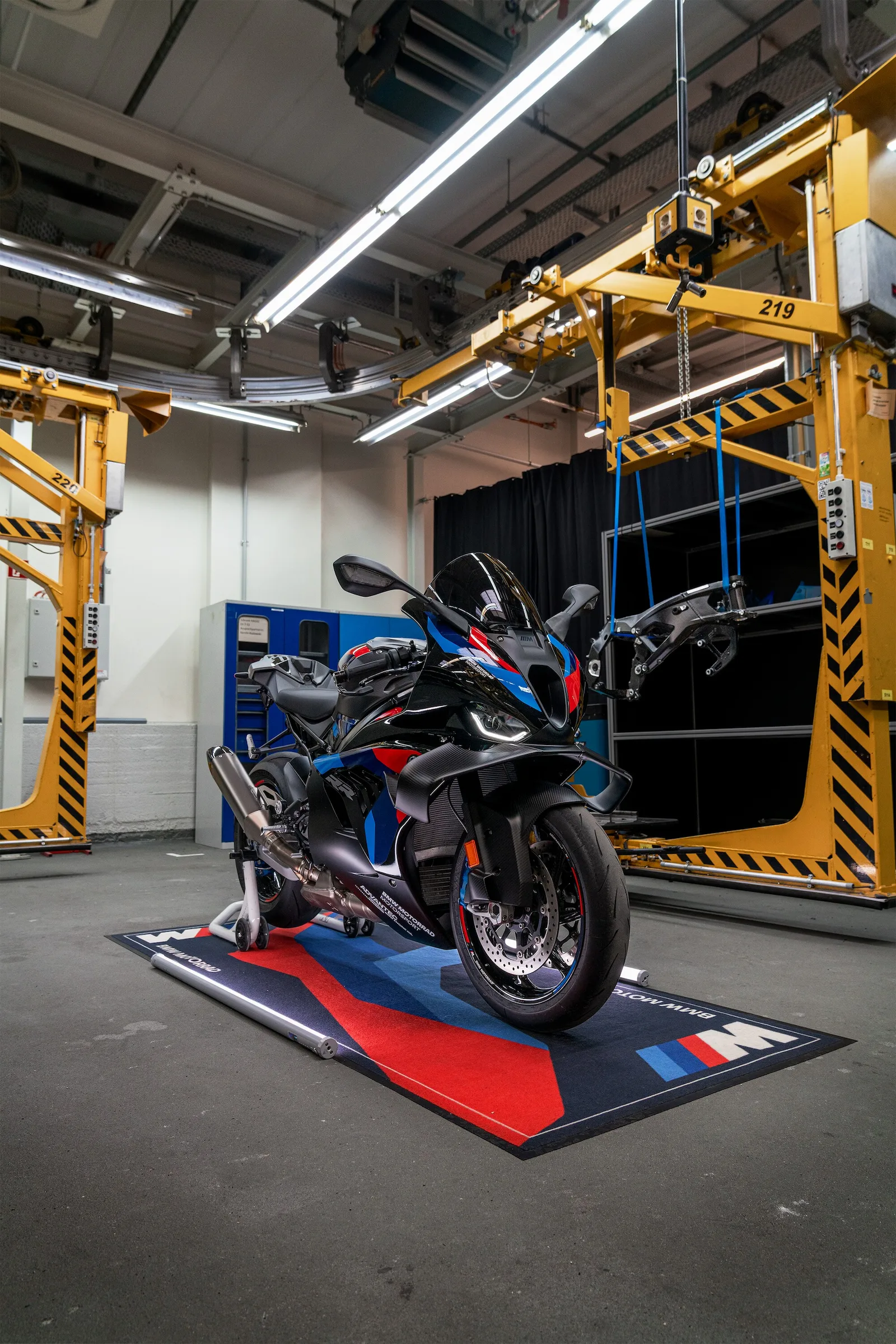
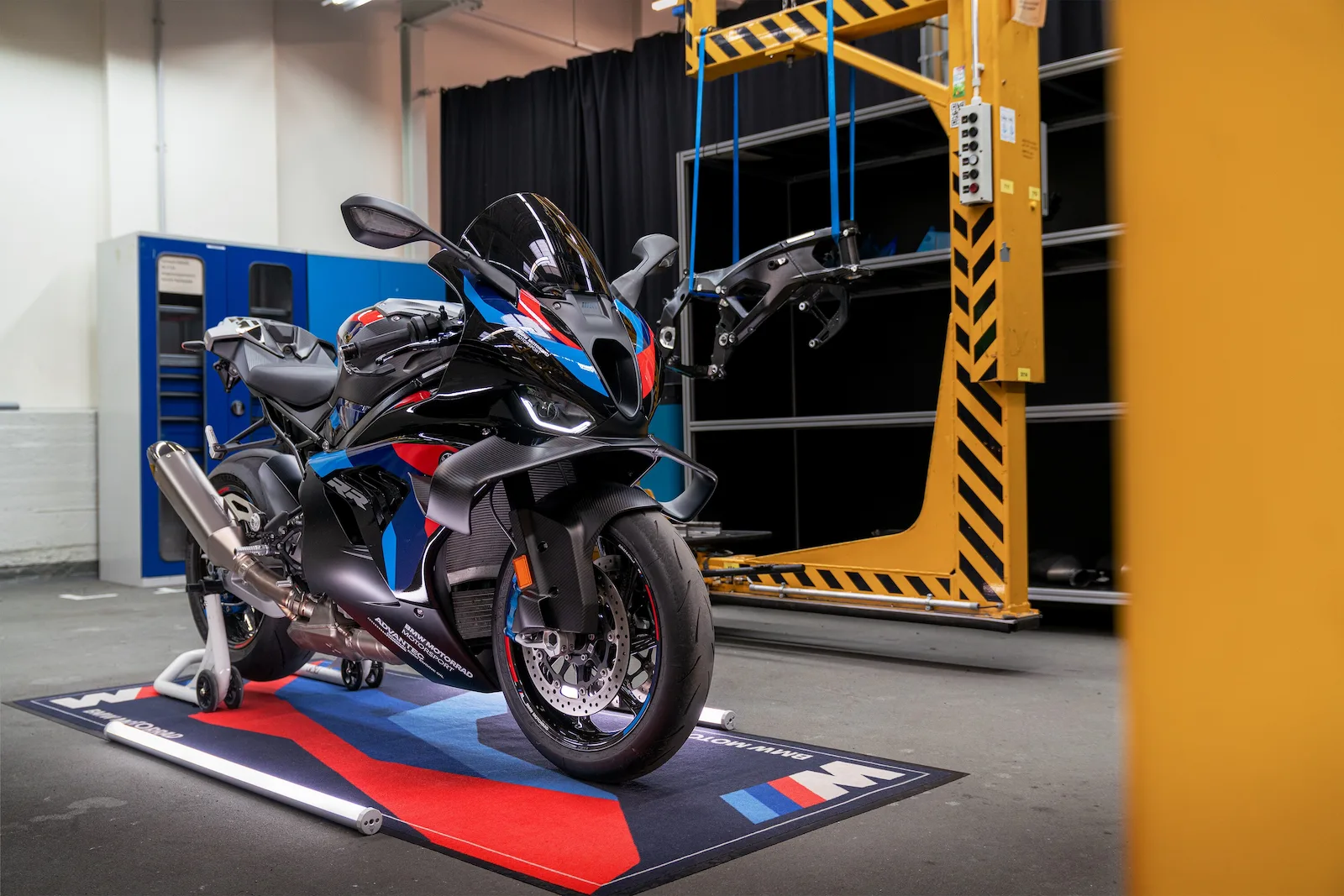
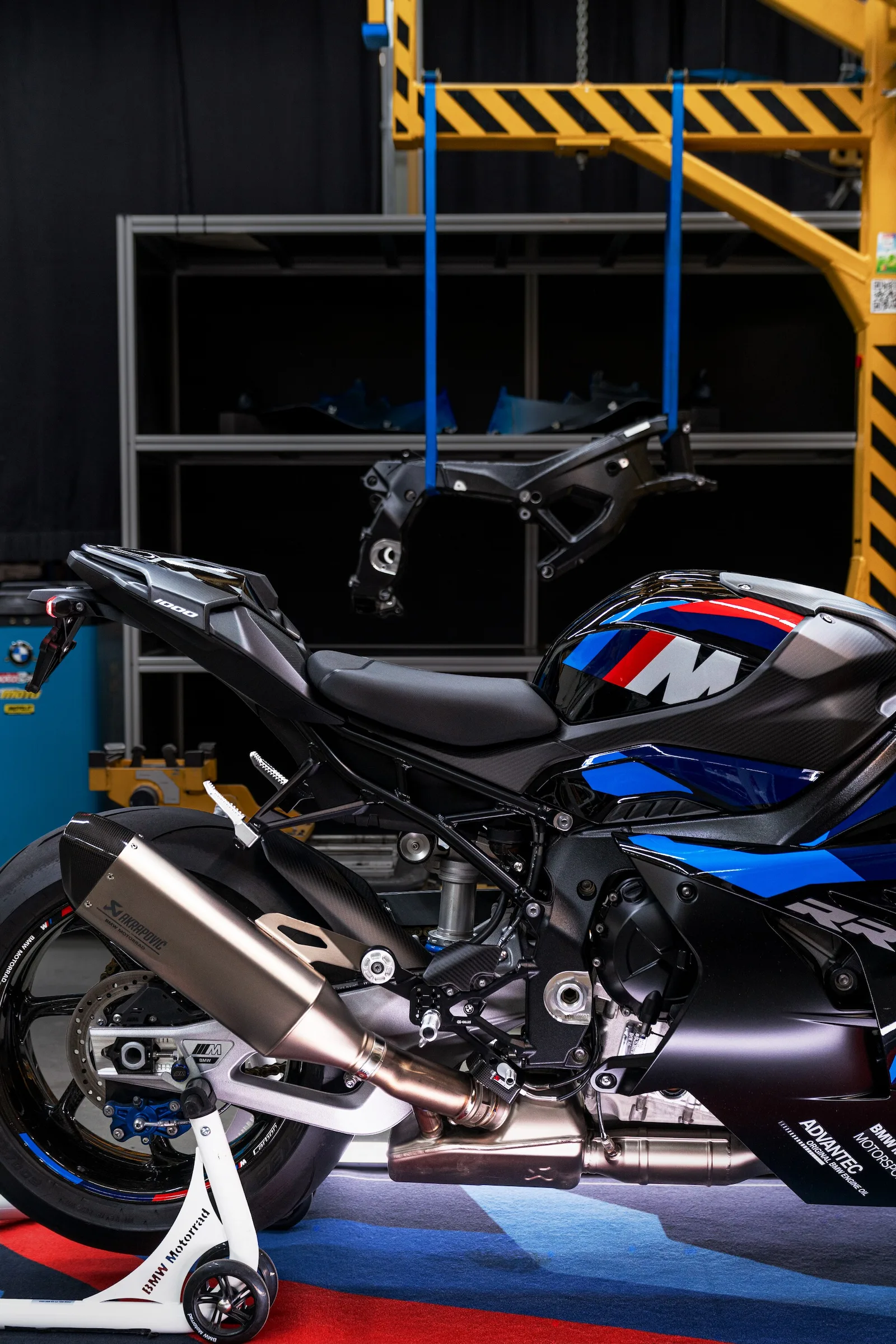
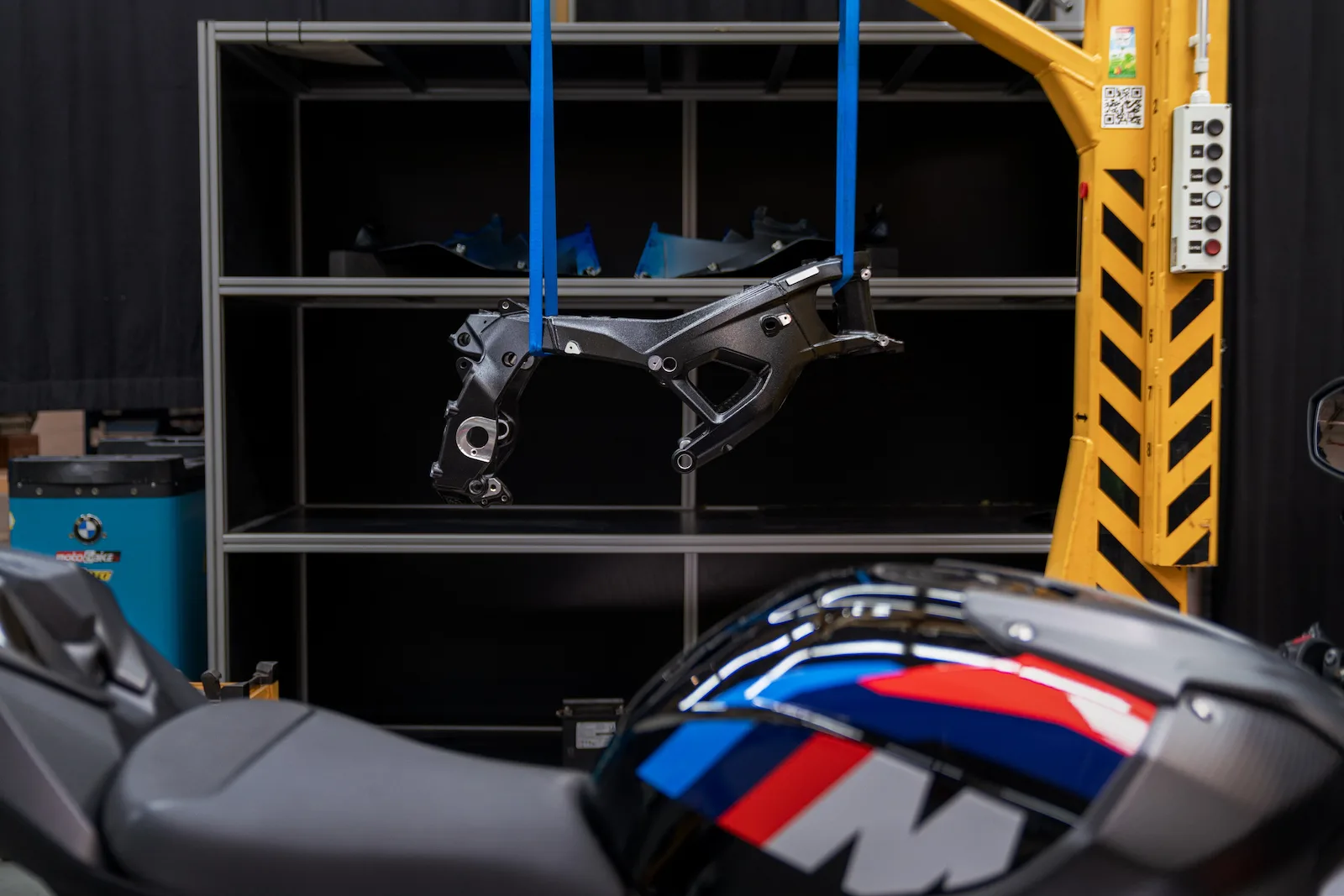
BMW Motorrad has released details of one component rather than a whole new bike: the frame of the M 1000 RR superbike. Starting with model year 2027, every M 1000 RR gets the third generation of the M Motorsport frame as standard. BMW says it is around 1.3 kg lighter than the previous version, that wall thicknesses drop by up to 30 per cent, and that the result is sharper handling, clearer feedback and more consistent tire contact, above all when you ride hard or go to the track.
The release is aimed at M 1000 RR buyers and at racers, because the same frame serves the BMW factory teams, customer racing teams around the world and the road bike. Most of it explains how the frame is designed, cast, welded and checked across three German sites: Munich, Landshut and Berlin. It does not give a price, an overall bike weight, frame geometry figures, a delivery date or any other change to the 2027 M 1000 RR.
Weight, stiffness and flex
The headline number is the weight saving of around 1.3 kg. BMW says the lighter frame makes the bike more agile and quicker to change direction, which you notice most in chicanes and linked corners.
The more interesting part is how the thinner walls are used. With walls up to 30 per cent thinner, BMW can decide where the frame gives a little and where it does not. Leaned over, it is designed to flex sideways by a set amount, so it works alongside the suspension in soaking up bumps and ripples in the surface. BMW says that keeps the tire in more consistent contact, gives you better feedback through the bars and seat, and helps the tire wear more evenly.
Along the length of the bike, the frame stays very stiff. That is what keeps braking and drive forces going where they should, so the bike responds predictably when you are hard on the brakes into a corner or hard on the throttle out of it. BMW lists more precise turn-in, more transparent responses and more confidence in demanding situations as the gains for road riders.
From racing to the road bike
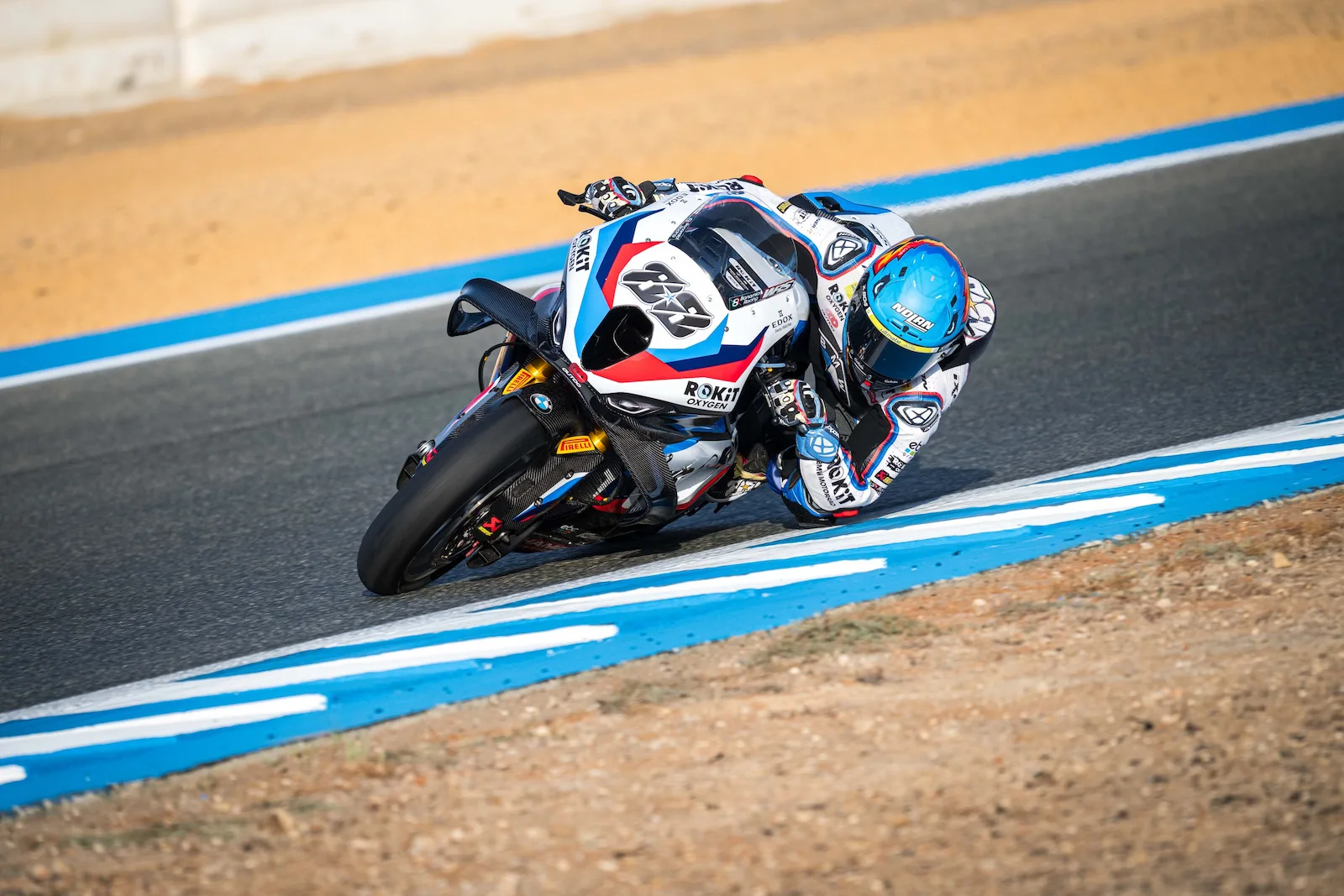
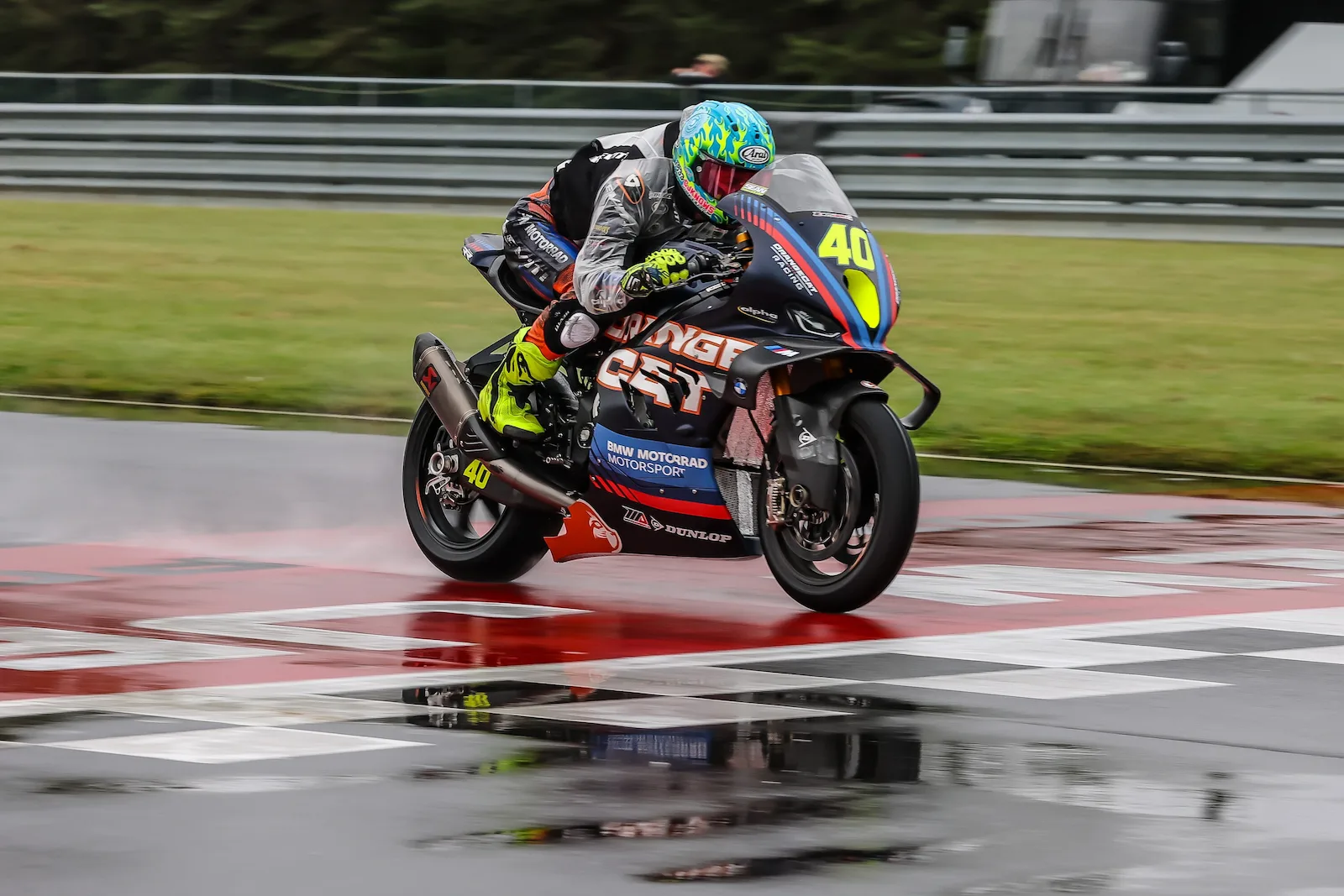
BMW describes the frame as a key performance part for its factory teams, for customer racing and for the series M 1000 RR, with lessons from competition feeding straight into the production design. Head of BMW Motorrad Motorsport Sven Blusch says the frame pairs light construction with tuned stiffness and flex as the base for precise chassis behavior and grip.
For racers, the point is that a production-based frame gives the M 1000 RR a strong starting platform across different racing series and circuits. For road owners, it means the frame under your tank comes from the same development as the one under the race bikes.
Design and testing in Munich
At BMW Motorrad Development in Munich, engineers design the frame's geometry, wall thicknesses and stiffness distribution on the computer, then check them in simulations, on test rigs and in riding tests. Once the data is approved, it becomes the basis for the four cast parts that make up the frame: the steering head, the left and right side sections, and the rear section.
Casting in Landshut
BMW Group Plant Landshut, which specializes in lightweight construction, casts those four thin-walled aluminum parts using low-pressure casting. In this process the molten aluminum is fed into the mold in a controlled way, which cuts turbulence and trapped air, both of which can weaken a thin casting.
Hollow sections are formed by temporary quartz sand cores. Before any tooling is built, a core-shooting simulation models how the sand-air mixture flows, packs and cures, so the nozzles and vents can be laid out correctly from the start. The cores are made, cured and placed in the mold with the cold-box process and removed after casting. Each part is then machined and inspected with X-ray checks, wall-thickness measurements and coordinate measurements before it goes to Berlin.
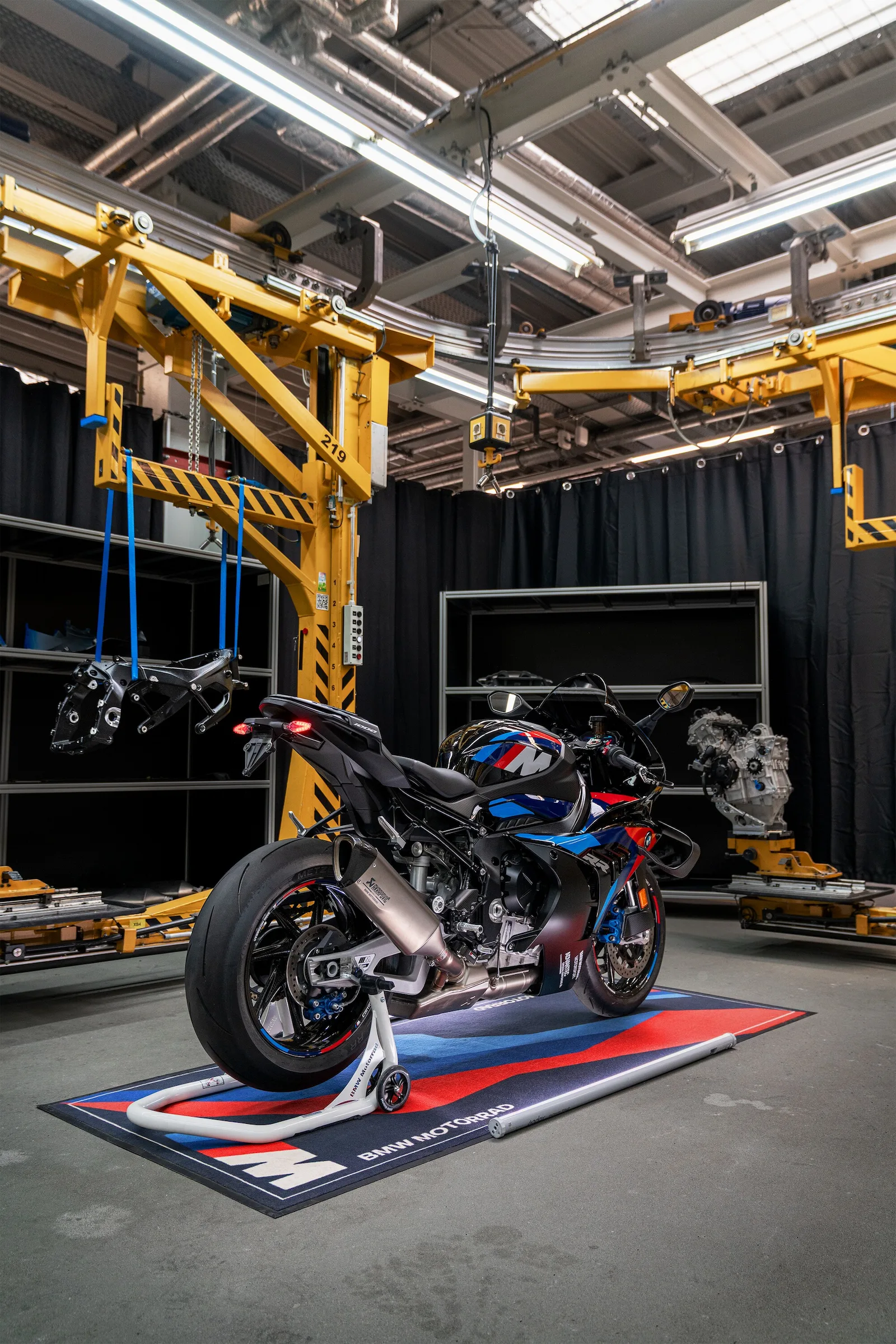
Welding and finishing in Berlin
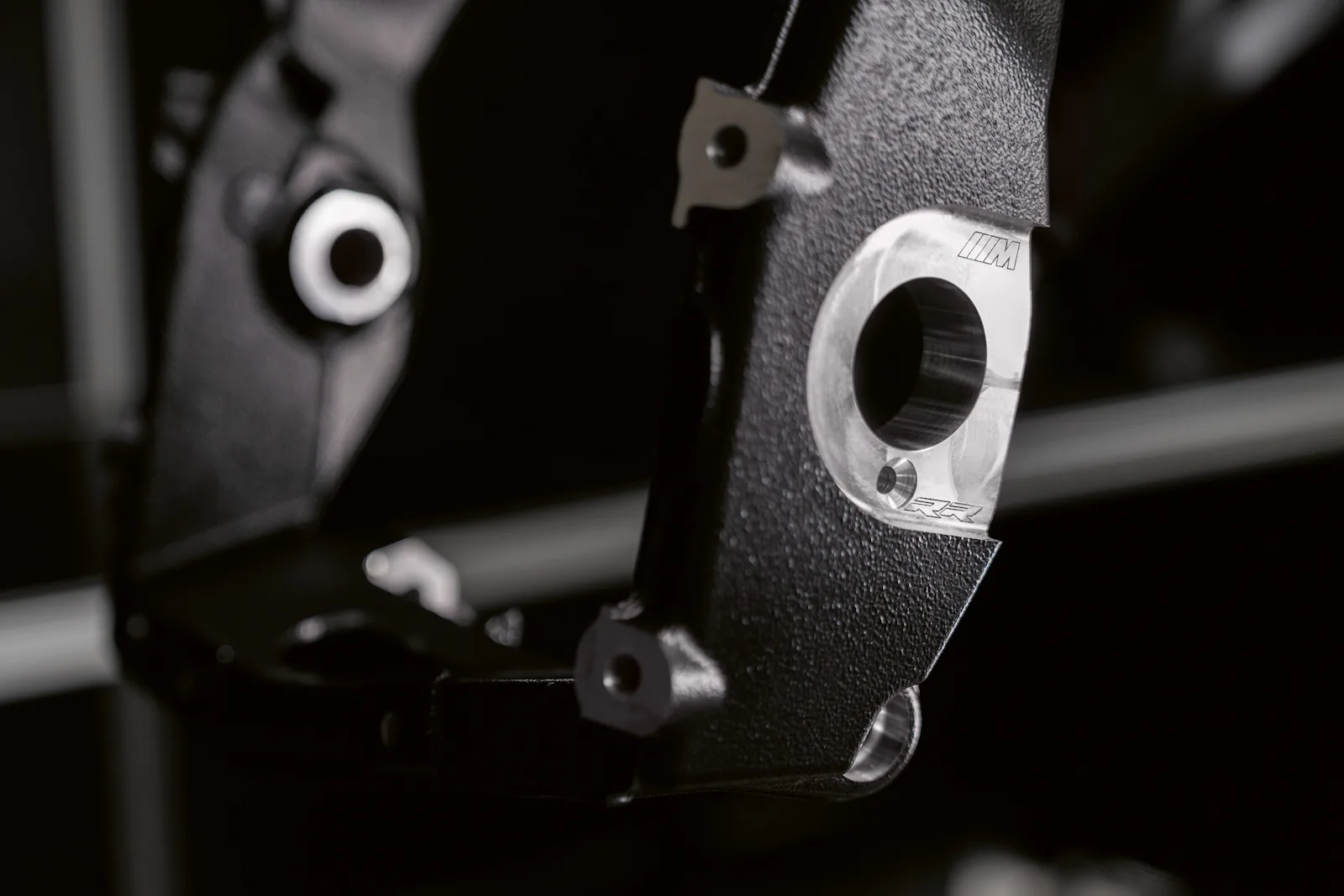
BMW Group Plant Berlin, the lead plant of BMW Motorrad's production network, positions the four castings precisely and joins them into a frame with TIG welding. Cathodic dip coating follows, giving even corrosion protection inside closed cavities as well as on the outside.
Final milling brings the functional surfaces and mounting points to their finished dimensions, and a last coordinate measurement of the complete frame confirms it is accurate before it is cleared for assembly into an M 1000 RR. BMW says Berlin also brings many years of motorsport experience to the job.